

Ultra-Processed People
Chris van Tulleken
An eye-opening exploration into the world of ultra-processed foods (UPF), revealing their impact on our health, society, and the planet. Discover the science behind these engineered substances and how they have come to dominate our diets, driving a synergistic pandemic of climate change, malnutrition, and obesity. Prepare to question everything you thought you knew about food and embark on a journey to reclaim your health and well-being.
The Dorito Effect
Mark Schatzker
Explore the hidden truths behind the flavors we crave and the surprising consequences of our manipulated food system. From the rise of bland ingredients to the explosion of artificial flavorings, discover how the Dorito Effect has warped our relationship with food and what we can do to reclaim real flavor and better health.
Andy Warhol Was a Hoarder
Claudia Kalb
A journey into the wonder and anguish of the mind as told through the lives of 12 celebrated figures who reshaped the world. The book explores the mental health conditions of famous individuals like Andy Warhol, Marilyn Monroe, Albert Einstein, and Abraham Lincoln, offering insights into the complexities of the human psyche and the intersection of genius and mental illness.
The New Atkins for a New You
Eric C. Westman
Discover the updated Atkins program, a customizable diet designed for weight loss and improved health. Backed by scientific research, this book provides a comprehensive guide to understanding how carbohydrate restriction impacts your body, offering practical advice, meal plans, and recipes to help you achieve a slimmer, healthier you.

The Vagina Bible
Jen Gunter
An empowering guide to women's health, The Vagina Bible dispels myths and provides accurate information about the vagina and vulva. Dr. Jen Gunter arms women with the facts they need to understand their bodies, make informed choices, and reclaim their sexual health.
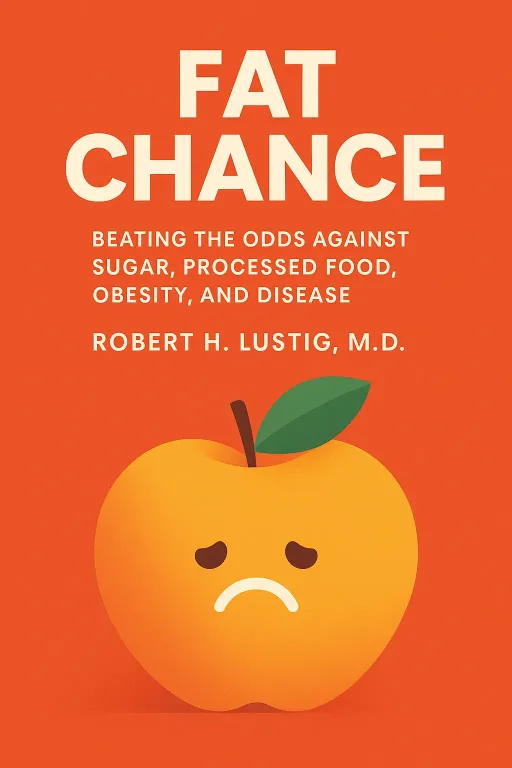
Fat Chance
Robert H. Lustig
A groundbreaking exposé on the dangers of sugar, processed foods, and their role in the obesity epidemic. Dr. Lustig challenges conventional wisdom and offers a comprehensive plan to reclaim your health and beat the odds against a toxic food environment.
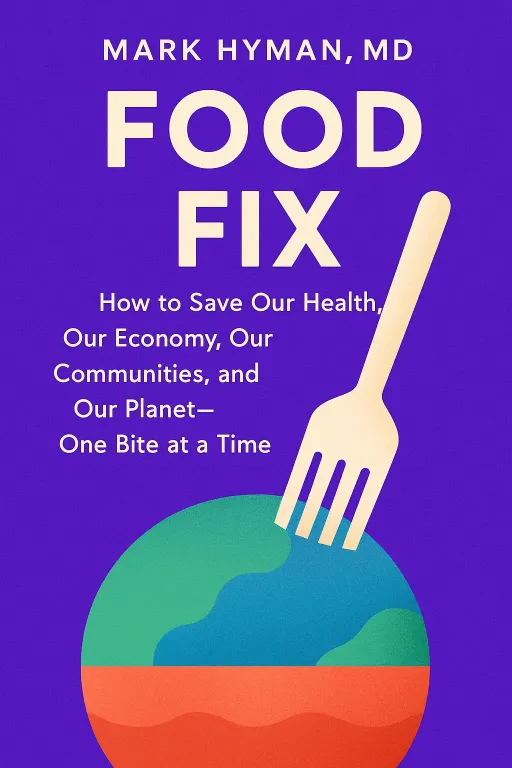
Food Fix
Mark Hyman
Food Fix is a groundbreaking book that exposes the hidden truths about our food system and its devastating impact on our health, economy, communities, and planet. Dr. Mark Hyman connects the dots between food, chronic disease, environmental destruction, and social injustice, offering a comprehensive plan to transform our food system and create a healthier, more sustainable future for all.
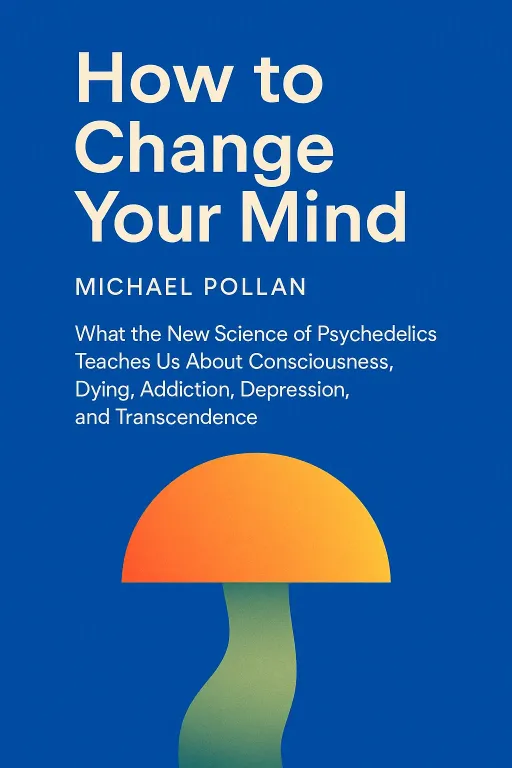
How to Change Your Mind
Michael Pollan
An exploration of the history and science behind psychedelic drugs, and their potential for treating mental illness, addiction, and existential distress. The book delves into the author's personal experiences and the renaissance of psychedelic research, offering insights into consciousness, spirituality, and the human mind.