

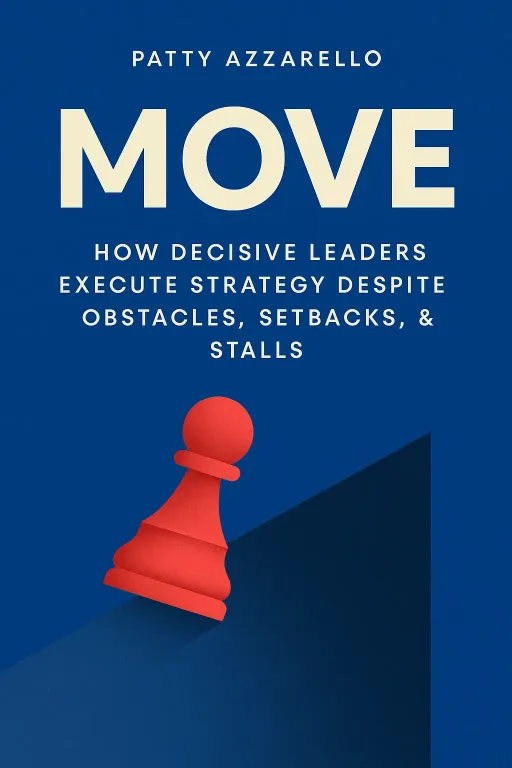
MOVE: How Decisive Leaders Execute Strategy Despite Obstacles, Setbacks, & Stalls
Patty Azzarello
**Bold**Discover how decisive leaders drive strategy execution and overcome obstacles. This book provides a practical framework for transforming organizations, engaging teams, and achieving lasting success by focusing on the often-overlooked 'Middle' phase of strategic initiatives.
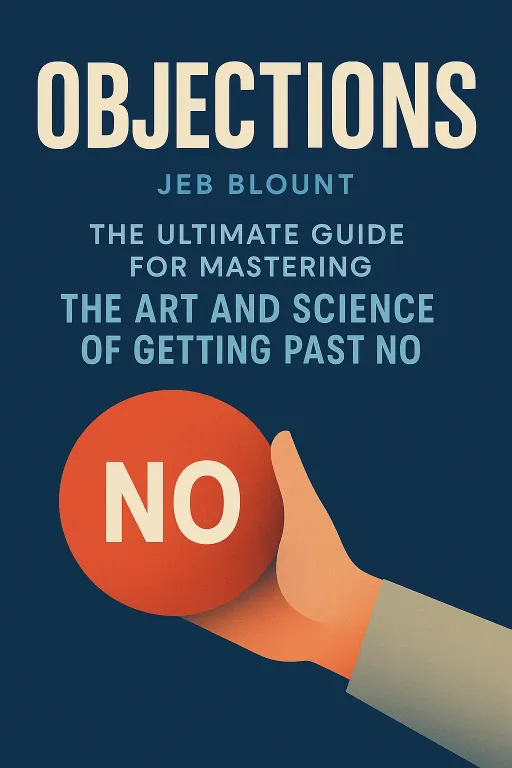
Objections
Jeb Blount
Unlock the secrets to overcoming objections and closing more deals with this comprehensive guide. Master the art and science of getting past 'no' and transform resistance into revenue. Learn proven frameworks and techniques to handle any objection with confidence and turn potential roadblocks into stepping stones to success.
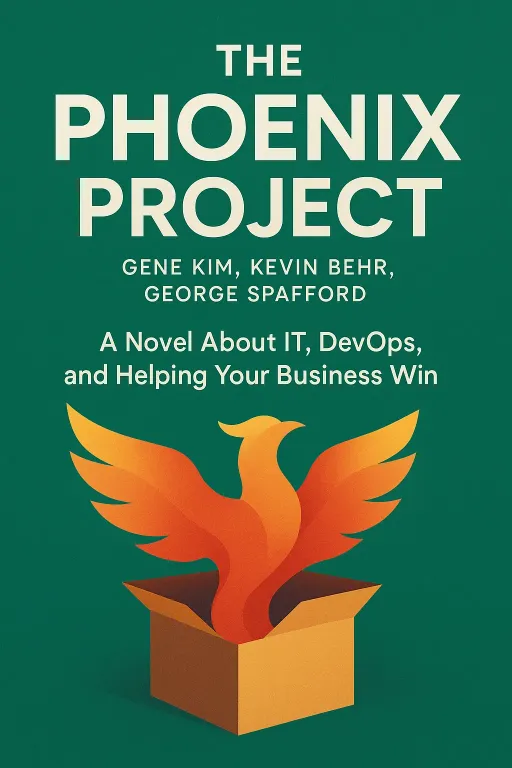
The Phoenix Project
Gene Kim
An IT manager is tasked with fixing a failing project critical to his company's survival. He must navigate organizational politics, technical challenges, and personal doubts to turn the project around and save the company from disaster. A gripping story about IT, DevOps, and leadership.
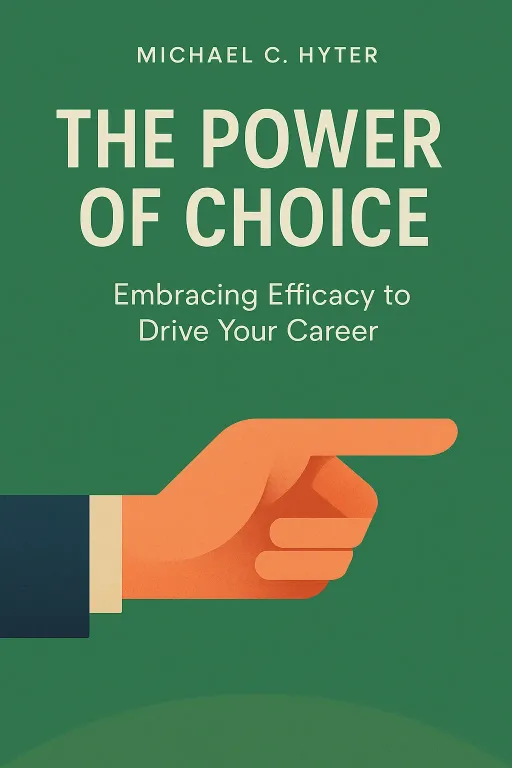
The Power of Choice
Michael C. Hyter
Unlock your full potential and take control of your career with 'The Power of Choice.' This book provides practical advice and strategies for professionals seeking to navigate the complexities of the modern workplace, build meaningful relationships, and exert influence to achieve their goals. Learn how to leverage your skills, overcome obstacles, and make deliberate choices that lead to a rewarding and successful career.
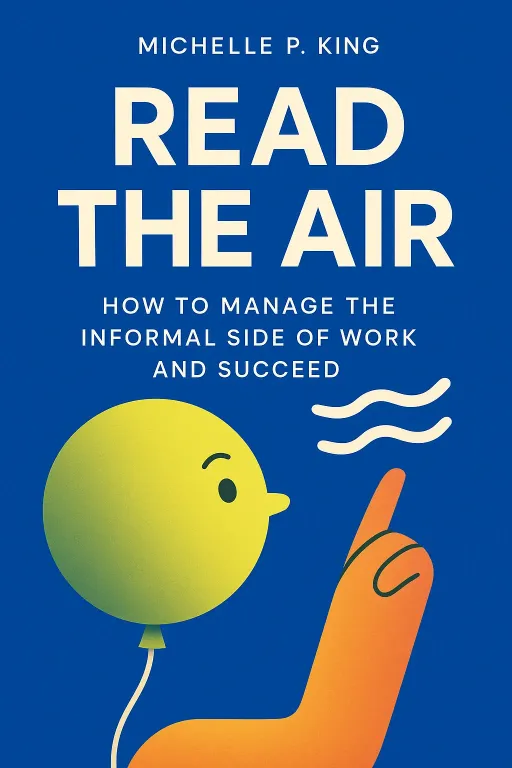
Read the Air
Michelle P. King
Unlock the secrets to workplace success by mastering the unwritten rules. Learn how to navigate informal networks, access hidden information, and advance your career by understanding the unspoken dynamics of your work environment. Discover the power of 'reading the air' and transform your professional life.

Who Knew
Barry Diller
Who Knew by Barry Diller is a candid, high-voltage memoir from one of America’s most influential media executives, tracing an extraordinary life from humble mailroom beginnings to shaping the landscape of television, film, and the internet. With surprising honesty and sharp insight, Diller reflects on his early years in Hollywood, his meteoric rise through ABC and Paramount, and his role in launching groundbreaking ventures such as the Fox Broadcasting Company and IAC’s digital empire. In his unmistakable voice, Diller offers an unvarnished look at the business of entertainment and media—revealing how he backed iconic films and hit TV shows, embraced bold programming instincts, and navigated creative clashes with industry titans. He also brings readers inside the digital revolution, recounting his early recognition of the internet’s promise and his leadership of brands that came to define online life. Beyond business, Who Knew is deeply personal. Diller writes about his upbringing in a distant yet affluent family, the fear and freedom of his emerging identity as a gay man, and his long, unconventional love story and marriage to fashion designer Diane von Fürstenberg. His reflections on personal struggles, relationships, regrets, and fulfillment make this more than a corporate chronicle—it is a vivid coming-of-age and coming-into-self story. Intimate, insightful, and refreshingly frank, Who Knew blends Hollywood lore, sharp business acumen, and genuine self-reflection. It stands as both a primer on modern media and a testament to a life defined by curiosity, risk, and relentless reinvention.
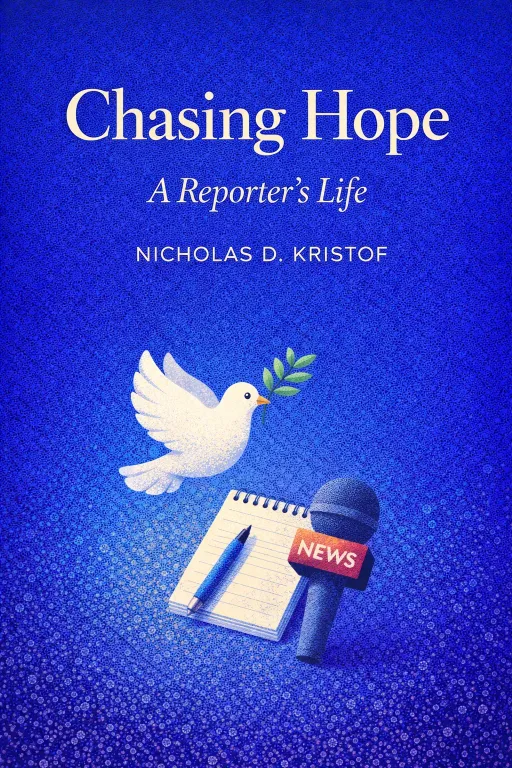
Chasing Hope
Nicholas D. Kristof
Chasing Hope: A Reporter’s Life by Nicholas D. Kristof is a powerful, deeply personal memoir from one of the most respected journalists of our time. A Pulitzer Prize–winning columnist for The New York Times, Kristof takes readers from his childhood on a small Oregon farm to the front lines of the world’s most consequential events, offering an unflinching look at a life spent bearing witness to both human suffering and human resilience. Over his decades-long career, Kristof reported from more than 150 countries, covering moments such as the Tiananmen Square protests, civil war in Yemen, genocide in Darfur, and the waves of addiction and despair affecting working-class America. He shares hair-raising experiences and hard-won lessons from the field, showing how journalism can expose injustice, give voice to the voiceless, and spur action even amid danger and heartbreak. But Chasing Hope is not just a chronicle of crises. It introduces the remarkable people Kristof met along the way—from dissidents and aid workers to ordinary citizens confronting extraordinary challenges—and explains how these encounters shaped his belief that even in the darkest moments, there are reasons for optimism. Balancing vulnerability, courage, humility, and purpose, this memoir reveals the personal costs and moral rewards of pursuing truth in a complex world. Candid, inspiring, and rich with global perspective, Chasing Hope is a testament to the enduring power of journalism and the enduring possibility of human progress.
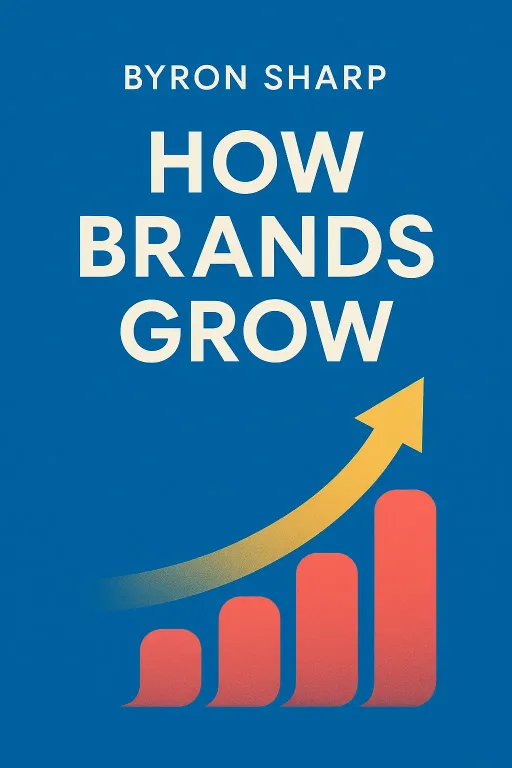
How Brands Grow
Byron Sharp
Discover the predictable patterns in how buyers buy and how sales grow. This book reveals valuable knowledge about marketing strategy and how to outperform competitors by understanding the science behind consumer behavior and brand growth.