

Technology & Science
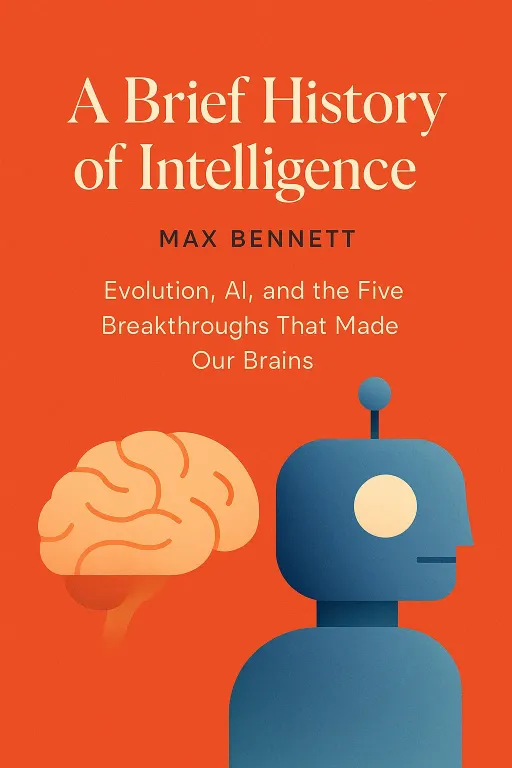
A Brief History of Intelligence
Max Bennett
Explore the evolution of intelligence from the first brains to modern AI. This book uncovers the five major breakthroughs that shaped the human brain, drawing parallels between neuroscience and artificial intelligence. Discover how understanding the brain's evolutionary journey can provide insights into creating human-like AI and understanding the nature of human intelligence itself.
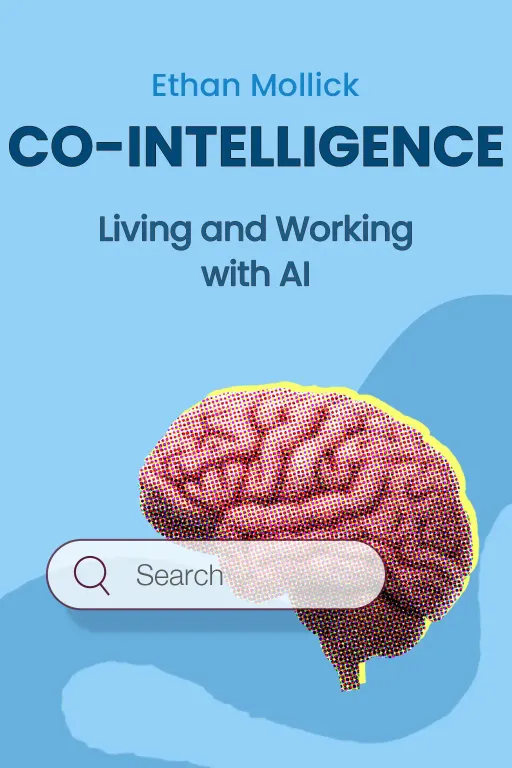
Co-Intelligence
Ethan Mollick
"Co-Intelligence" is a pragmatic and accessible guide to the AI revolution written by Ethan Mollick, a professor at the Wharton School. Unlike many theorists who speculate about the distant future, Mollick focuses entirely on the messy, practical present. He argues that AI is not merely a new tool like a calculator or a search engine, but a distinct form of "alien" intelligence that acts more like a talented but erratic intern. Mollick urges readers to stop treating AI as software that follows clear instructions and start treating it as a coworker. The book centers on the concept of the "Jagged Frontier." This theory explains that AI capabilities are uneven. It can pass the Bar Exam in the 90th percentile yet fail at simple arithmetic or basic logic puzzles. Because this frontier is invisible and constantly shifting, the only way to understand what the AI can do is to use it relentlessly for everything. The book outlines four principles for working with AI, emphasizing that humans must remain the "human in the loop." Mollick categorizes users into two types: Centaurs, who divide tasks clearly between human and machine, and Cyborgs, who integrate their workflow so deeply with AI that the line blurs. "Co-Intelligence" is a call to action to experiment, inviting us to invite AI to the table before we are left behind.
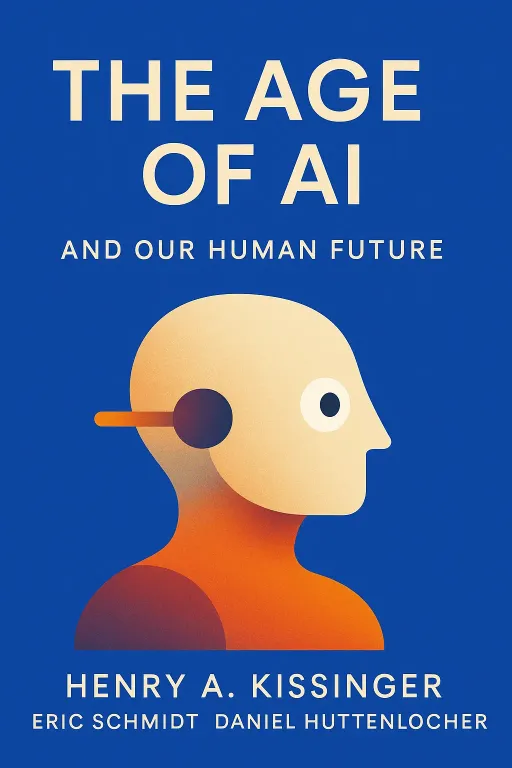
The Age of AI
Henry A. Kissinger
A thought-provoking exploration of artificial intelligence and its profound implications for the future of humanity. Examining the ways AI is reshaping our world, from healthcare to warfare, and raising fundamental questions about human identity, knowledge, and our relationship with reality.
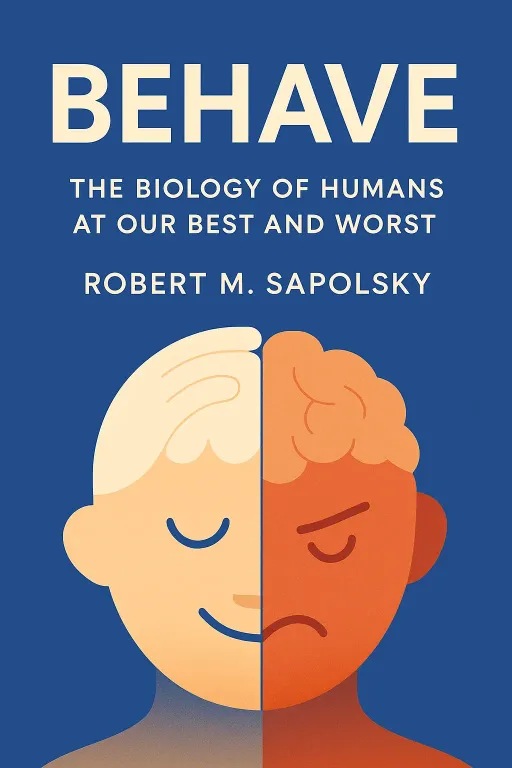
Behave: The Biology of Humans at Our Best and Worst
Robert M. Sapolsky
"Behave" is a magisterial synthesis of human behavior, written by Stanford neurobiologist and primatologist Robert Sapolsky. It attempts to answer a single, massive question: Why do we do the things we do? Sapolsky rejects the idea that any single factor—be it a gene, a hormone, or a childhood trauma—can explain our actions. Instead, he offers a nuanced, multifactorial explanation rooted in the phrase: "It depends." The book is structured as a reverse-chronological journey through time. To explain a specific behavior (like pulling a trigger or touching an arm), Sapolsky looks at what happened in the brain one second before (neurobiology), what happened minutes before (sensory cues), hours before (hormones), and years before (adolescent development). He continues peeling back the layers to centuries past (cultural ancestors) and millennia past (evolutionary pressures). By connecting these disparate threads, Behave dismantles simplistic ideas about "nature vs. nurture." It is a humorous, humane, and incredibly dense exploration of violence, altruism, and the biology of "Us vs. Them," ultimately arguing that while our biology constrains us, it does not condemn us.
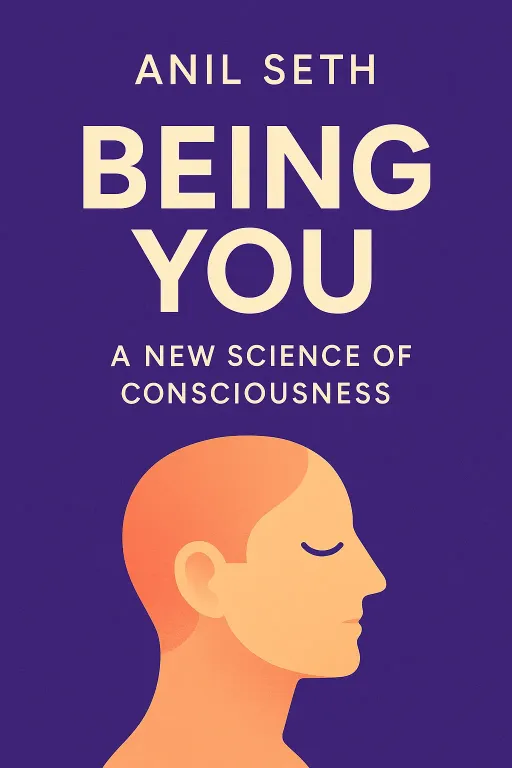
Being You
Anil Seth
"Being You" is a radical new theory of consciousness proposed by Anil Seth, one of the world's leading neuroscientists. Seth challenges the intuitive belief that our brains work like video cameras, passively recording the world around us. Instead, he argues that the brain is a "prediction machine" and that our entire reality is a "controlled hallucination." Seth posits that we do not perceive the world as it is, but as our brain expects it to be. Our sensory organs merely provide error correction for the brain's internal best guesses. When these hallucinations agree with reality, we call it perception; when they don't, we call it hallucination. Central to his theory is the concept of the "Beast Machine." Seth argues that consciousness is not software running on a computer-like brain, but a biological phenomenon deeply rooted in the body's drive to stay alive. Our experiences of "self"—and emotions—are fundamentally linked to interoception (sensing the internal state of the body). Being You offers a biological basis for human experience, suggesting that we are conscious not in spite of our animal nature, but precisely because of it.
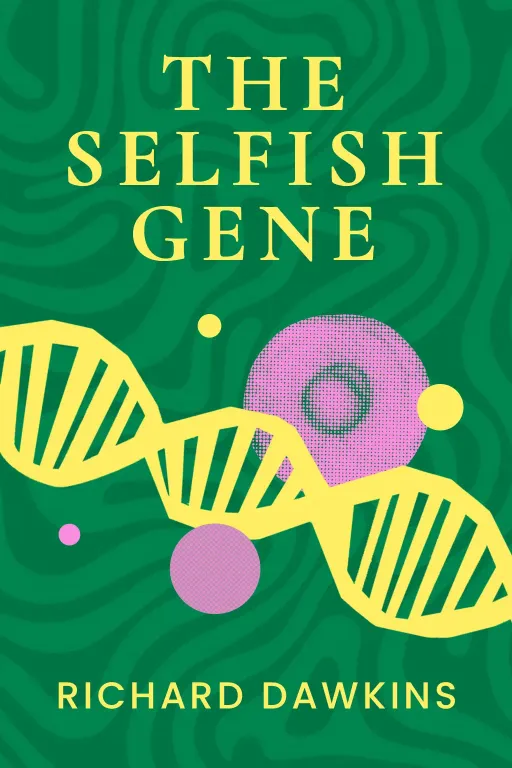
The Selfish Gene
Richard Dawkins
"The Selfish Gene" is a landmark work of science writing that permanently altered our view of evolution. Written by ethologist Richard Dawkins, it asserts that the fundamental unit of natural selection is not the species or the individual, but the gene itself. Dawkins argues that living organisms, including humans, are essentially clumsy "survival machines" built by gene colonies to ensure their own propagation. From this perspective, behaviors that seem altruistic are actually successful strategies for gene survival. For instance, an individual might sacrifice itself to save relatives who carry copies of the same genetic code, ensuring the survival of the genes even if the specific "vehicle" perishes. The book is also famous for introducing the concept of the "meme" to explain human culture. Dawkins proposes that ideas, tunes, and catchphrases replicate and evolve in a pool of human minds much like genes do in the biological pool. Lucid and powerful, The Selfish Gene remains a pivotal text for understanding why life behaves the way it does.
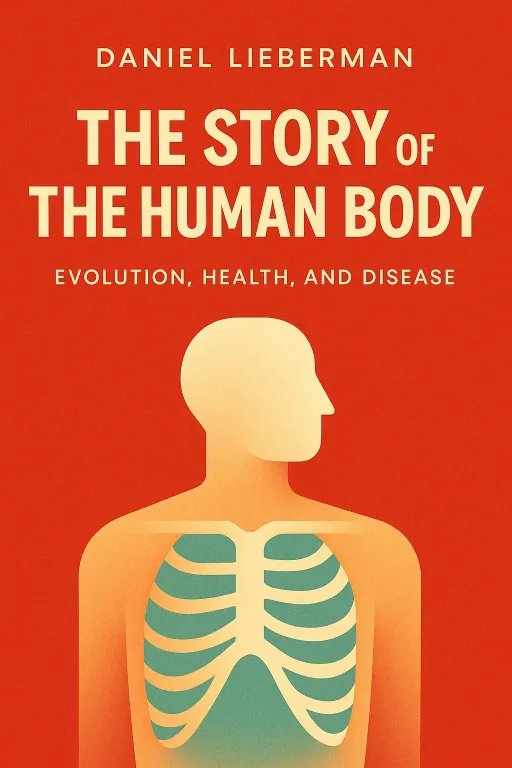
The Story of the Human Body
Daniel Lieberman
"The Story of the Human Body" is a sweeping evolutionary history written by Daniel Lieberman, chair of the Department of Human Evolutionary Biology at Harvard. It answers a fundamental question: If natural selection is so powerful, why are we so prone to chronic disease? Lieberman argues that while we have evolved to be upright, endurance-adapted survival machines, we are currently living in an environment for which we were never designed. This concept is known as the "Mismatch Hypothesis." Lieberman explains that our bodies are adapted for the Stone Age—a life of scarcity and intense physical activity. However, cultural evolution (farming, industry, and technology) has moved faster than biological evolution. We now inhabit a world of super-abundant calories and sedentary comfort. The result is a plague of "dysevolution"—diseases like type 2 diabetes, heart disease, and osteoporosis that are rare in hunter-gatherer societies but rampant in the modern world. We evolved to crave sugar and conserve energy because those traits once ensured survival; now, they ensure illness. The Story of the Human Body is a lucid, scientific guide that argues we must change our environment, not just our habits, to align with our evolutionary legacy.
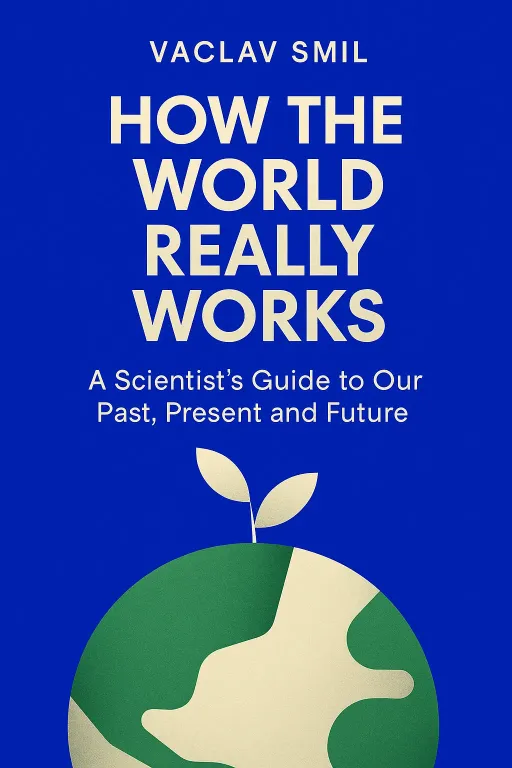
How the World Really Works
Vaclav Smil
"How the World Really Works" is a data-driven reality check on the physical foundations of our modern civilization, written by Vaclav Smil. Smil, a renowned energy scientist and Bill Gates’ favorite author, aims to cure the "magical thinking" that dominates current debates about climate change and the green energy transition. Smil argues that before we can fix the world, we must understand the material realities that sustain it. He identifies the "Four Pillars" of modern life: Ammonia (for fertilizer/food), Steel, Concrete, and Plastics. He demonstrates that our dependence on the fossil fuels required to produce these materials is far deeper than most realize. The book is not a denial of climate change, but a denial of utopian timelines. Smil explains why total decarbonization by 2050 is physically impossible without causing societal collapse. By analyzing everything from globalization to risk assessment, How the World Really Works offers a scientifically grounded, agnostic guide to understanding the massive inertia of our energy systems, arguing that we must balance high ideals with hard numbers.