

Technology & Science
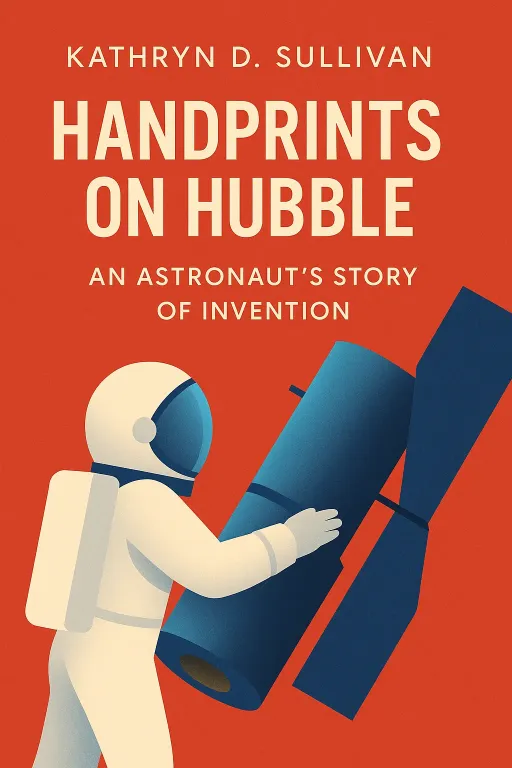
Handprints on Hubble
Kathryn D. Sullivan
In this captivating memoir, Kathryn D. Sullivan, the first American woman to walk in space, shares her firsthand account of the groundbreaking work behind the Hubble Space Telescope. From her early days as a 'Sputnik Baby' and her journey to becoming an astronaut, Sullivan chronicles the challenges and triumphs of launching, rescuing, repairing, and maintaining Hubble. She reveals the untold story of the engineers and astronauts who invented the tools and processes that made on-orbit maintenance possible, transforming Hubble into the most productive observatory ever built and revolutionizing our understanding of the universe.
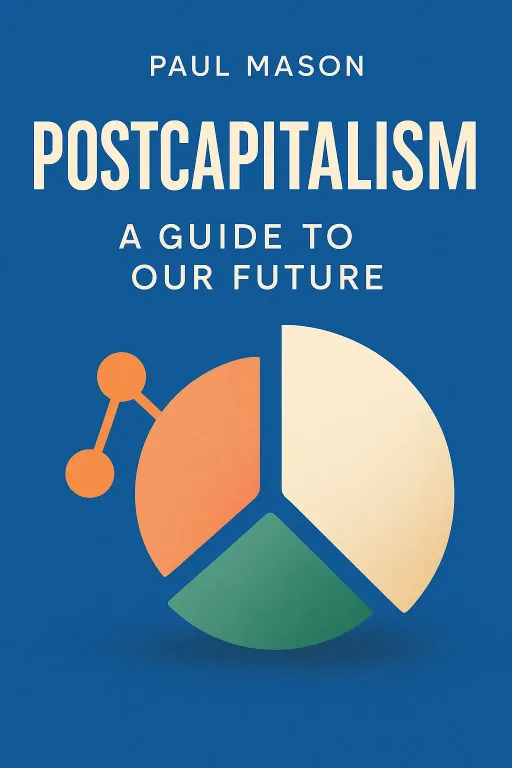
Postcapitalism
Paul Mason
A compelling exploration of how information technology is reshaping capitalism and paving the way for a postcapitalist future. Paul Mason analyzes the inherent contradictions of neoliberalism, the rise of collaborative production, and the potential for a new economic model that prioritizes sustainability, equality, and human freedom. Discover the forces driving this transformation and the challenges that lie ahead in this thought-provoking guide to our future.
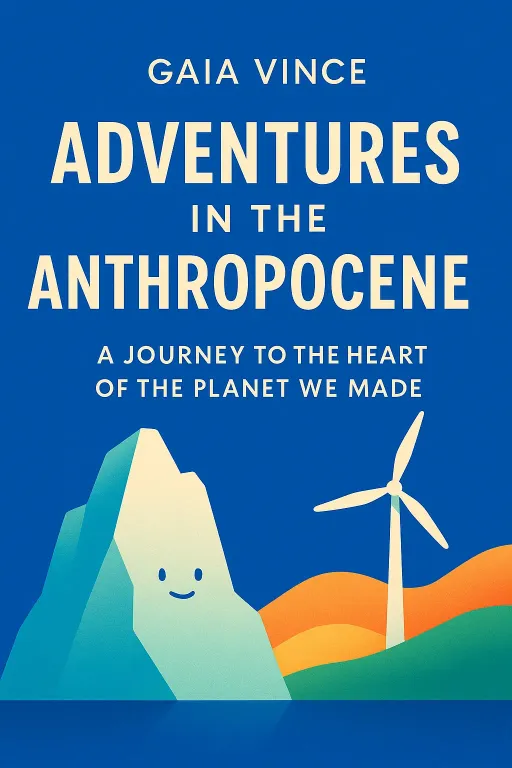
Adventures in the Anthropocene
Gaia Vince
A journalist embarks on a global journey to explore how humans are reshaping the planet in the Anthropocene era. From artificial glaciers to engineered ecosystems, she uncovers stories of innovation, adaptation, and the profound impact of humanity on Earth.
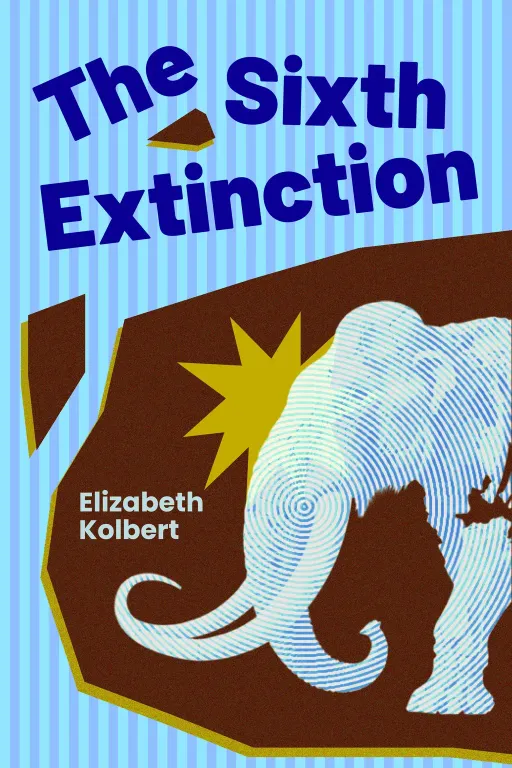
The Sixth Extinction
Elizabeth Kolbert
An exploration of the current biodiversity crisis, arguing that the Earth is undergoing a sixth mass extinction event, this time caused by human activity. The book examines past extinctions and highlights the devastating impact humans are having on the planet's species and ecosystems.
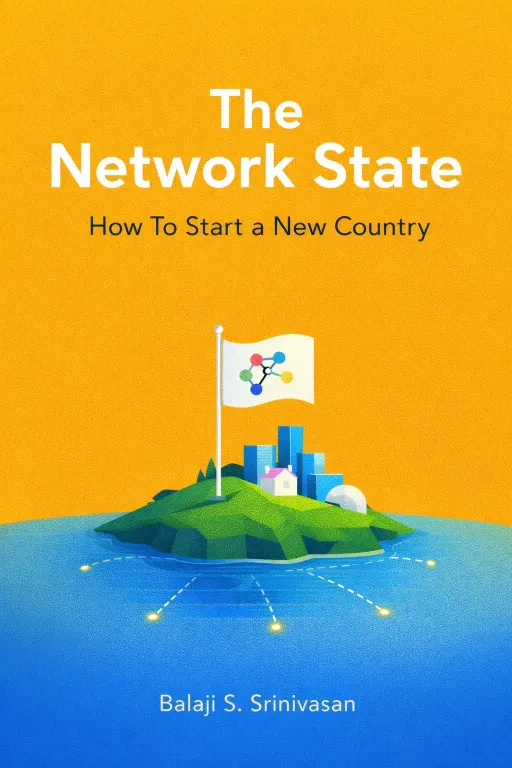
The Network State
Balaji Srinivasan
"The Network State" explores the concept of building new societies in the digital age, offering an alternative to traditional nation-states. The book examines history, technology, and moral philosophy to lay the groundwork for understanding and creating these "network states." It posits that focused moral innovation is key to building parallel societies that offer opt-in alternatives to existing systems. Readers will learn about the evolving global landscape and the potential for a tripolar world dominated by traditional power structures and decentralized networks. The book delves into the historical context of nation-states, contrasting them with the emerging paradigm of network states and their operational characteristics. It also explores possible future trajectories, considering the impact of decentralization and recentralization in a multi-actor world. Ultimately, "The Network State" presents a vision for a future where individuals can opt into societies aligned with their values, enabled by technological advancements and a new understanding of social organization.
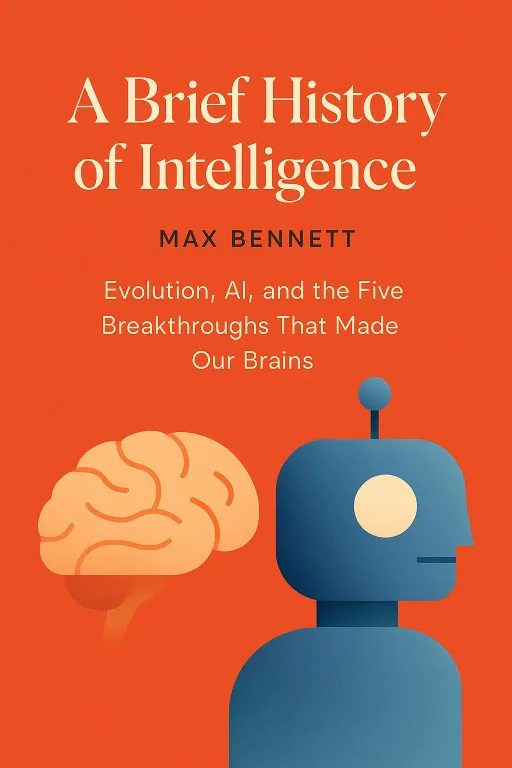
A Brief History of Intelligence
Max Bennett
Explore the evolution of intelligence from the first brains to modern AI. This book uncovers the five major breakthroughs that shaped the human brain, drawing parallels between neuroscience and artificial intelligence. Discover how understanding the brain's evolutionary journey can provide insights into creating human-like AI and understanding the nature of human intelligence itself.
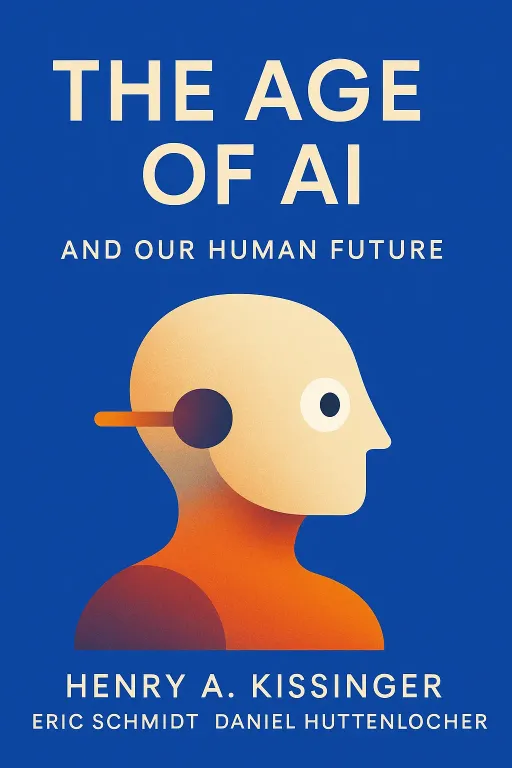
The Age of AI
Henry A. Kissinger
A thought-provoking exploration of artificial intelligence and its profound implications for the future of humanity. Examining the ways AI is reshaping our world, from healthcare to warfare, and raising fundamental questions about human identity, knowledge, and our relationship with reality.
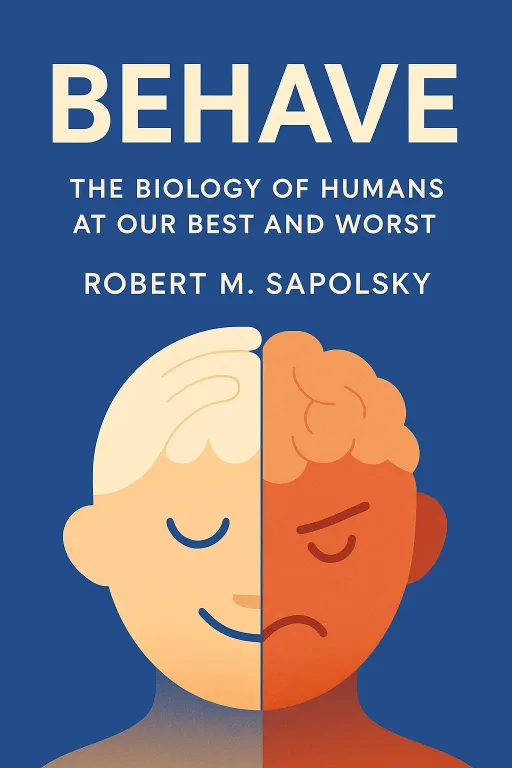
Behave: The Biology of Humans at Our Best and Worst
Robert M. Sapolsky
"Behave" is a magisterial synthesis of human behavior, written by Stanford neurobiologist and primatologist Robert Sapolsky. It attempts to answer a single, massive question: Why do we do the things we do? Sapolsky rejects the idea that any single factor—be it a gene, a hormone, or a childhood trauma—can explain our actions. Instead, he offers a nuanced, multifactorial explanation rooted in the phrase: "It depends." The book is structured as a reverse-chronological journey through time. To explain a specific behavior (like pulling a trigger or touching an arm), Sapolsky looks at what happened in the brain one second before (neurobiology), what happened minutes before (sensory cues), hours before (hormones), and years before (adolescent development). He continues peeling back the layers to centuries past (cultural ancestors) and millennia past (evolutionary pressures). By connecting these disparate threads, Behave dismantles simplistic ideas about "nature vs. nurture." It is a humorous, humane, and incredibly dense exploration of violence, altruism, and the biology of "Us vs. Them," ultimately arguing that while our biology constrains us, it does not condemn us.