

Technology & Science
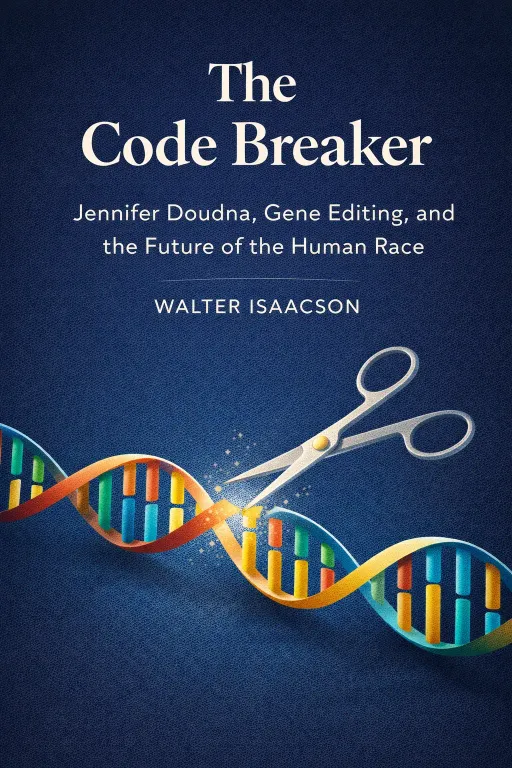
The Code Breaker
Walter Isaacson
"The Code Breaker: Jennifer Doudna, Gene Editing, and the Future of the Human Race" by Walter Isaacson explores the revolutionary gene-editing technology known as CRISPR through the lens of the life and work of Jennifer Doudna, one of its key discoverers. The book begins with Doudna's involvement in developing CRISPR-based coronavirus testing during the COVID-19 pandemic and delves into the ethical considerations surrounding gene editing, particularly concerning germline modifications. It sets the stage for understanding the scientific breakthroughs that have shaped our understanding of life itself, comparing the gene revolution to those of the atom and the bit. Readers will trace the historical development of genetics, from Darwin and Mendel's foundational work to the discovery of DNA's structure by Watson and Crick, including the crucial contributions of Rosalind Franklin. The book follows Doudna's personal journey, from her childhood in Hawaii and her early interest in science sparked by "The Double Helix," to her education as a biochemist and her groundbreaking research on RNA. It also recounts the story of the Human Genome Project, driven by James Watson, and highlights RNA's vital role in implementing DNA's genetic code. The book further details Doudna's dedication to unraveling RNA's structure and function, leading to significant discoveries about ribozymes and their catalytic power. Readers will witness her collaboration with Jamie Cate and her commitment to humanitarian science, even in the face of personal loss. Through Doudna's story, the book illuminates the complex scientific, ethical, and personal dimensions of gene editing and its potential impact on the future of humanity.
Automate the Boring Stuff with Python 2nd Edition
Al Sweigart
Learn how to automate everyday tasks with Python! This book teaches you the basics of programming and how to use Python to automate simple tasks such as moving and renaming files, filling out online forms, downloading files, updating spreadsheets, and more. Perfect for office workers, administrators, academics, or anyone who wants to make their computer work for them.
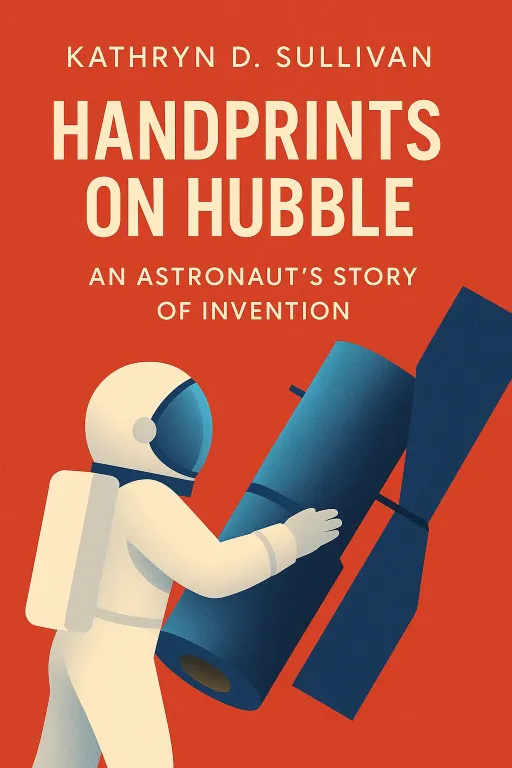
Handprints on Hubble
Kathryn D. Sullivan
In this captivating memoir, Kathryn D. Sullivan, the first American woman to walk in space, shares her firsthand account of the groundbreaking work behind the Hubble Space Telescope. From her early days as a 'Sputnik Baby' and her journey to becoming an astronaut, Sullivan chronicles the challenges and triumphs of launching, rescuing, repairing, and maintaining Hubble. She reveals the untold story of the engineers and astronauts who invented the tools and processes that made on-orbit maintenance possible, transforming Hubble into the most productive observatory ever built and revolutionizing our understanding of the universe.
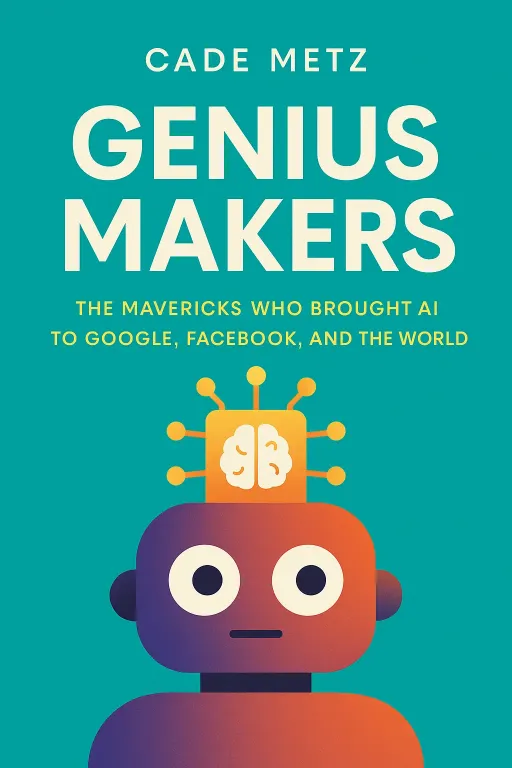
Genius Makers
Cade Metz
"Genius Makers" is the definitive human history of the current artificial intelligence boom. Written by New York Times technology correspondent Cade Metz, the book shifts the focus from the algorithms to the eccentric scientists who created them. It tells the story of how a small group of researchers, often dismissed as cranks, persisted with a fringe idea called Deep Learning until it eventually conquered the world. The narrative centers on the "Godfathers of AI"—Geoffrey Hinton, Yann LeCun, and Yoshua Bengio. For decades, the academic establishment believed that true intelligence would come from logic and rules. These three men believed it would come from neural networks that mimicked the human brain. Metz chronicles their long years in the wilderness during the "AI Winter" and their vindication in 2012, when a neural network shattered records at the ImageNet visual recognition competition. This breakthrough triggered a high-stakes corporate arms race. The book vividly details the multi-million dollar bidding war where Google, Microsoft, and Baidu fought to acquire Hinton and his students. "Genius Makers" reveals that the modern AI revolution was not just a scientific inevitability, but a result of personality clashes, corporate maneuvering, and the stubborn belief of a few brilliant individuals.
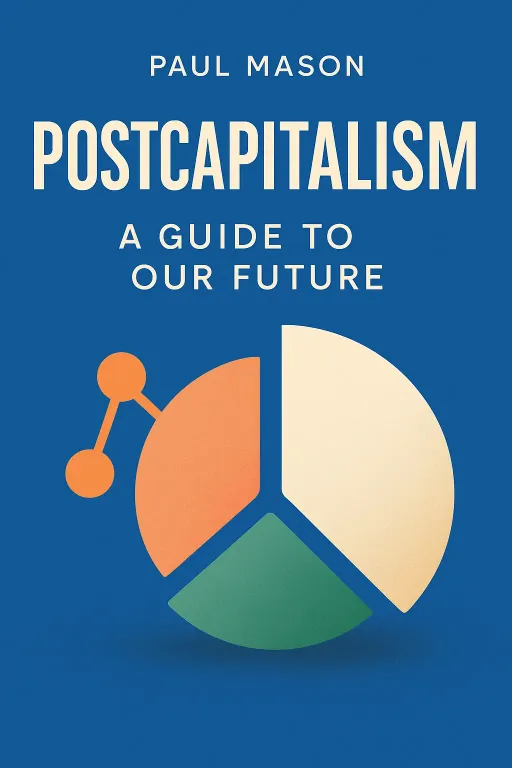
Postcapitalism
Paul Mason
A compelling exploration of how information technology is reshaping capitalism and paving the way for a postcapitalist future. Paul Mason analyzes the inherent contradictions of neoliberalism, the rise of collaborative production, and the potential for a new economic model that prioritizes sustainability, equality, and human freedom. Discover the forces driving this transformation and the challenges that lie ahead in this thought-provoking guide to our future.
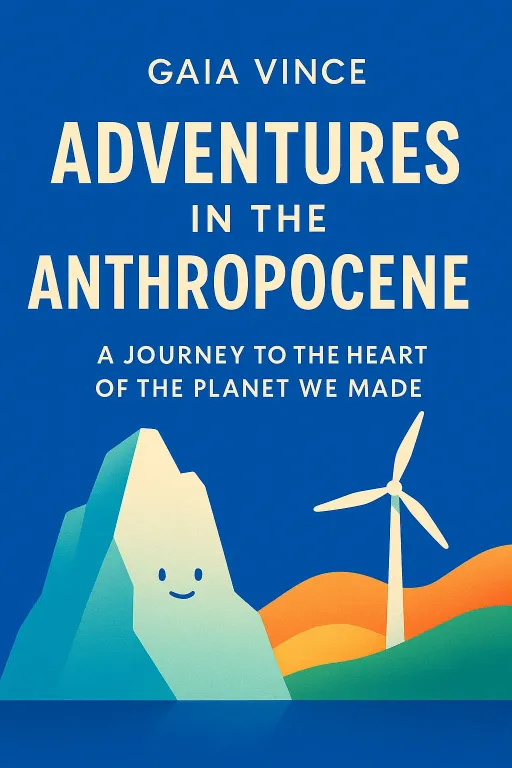
Adventures in the Anthropocene
Gaia Vince
A journalist embarks on a global journey to explore how humans are reshaping the planet in the Anthropocene era. From artificial glaciers to engineered ecosystems, she uncovers stories of innovation, adaptation, and the profound impact of humanity on Earth.

The Sixth Extinction
Elizabeth Kolbert
An exploration of the current biodiversity crisis, arguing that the Earth is undergoing a sixth mass extinction event, this time caused by human activity. The book examines past extinctions and highlights the devastating impact humans are having on the planet's species and ecosystems.
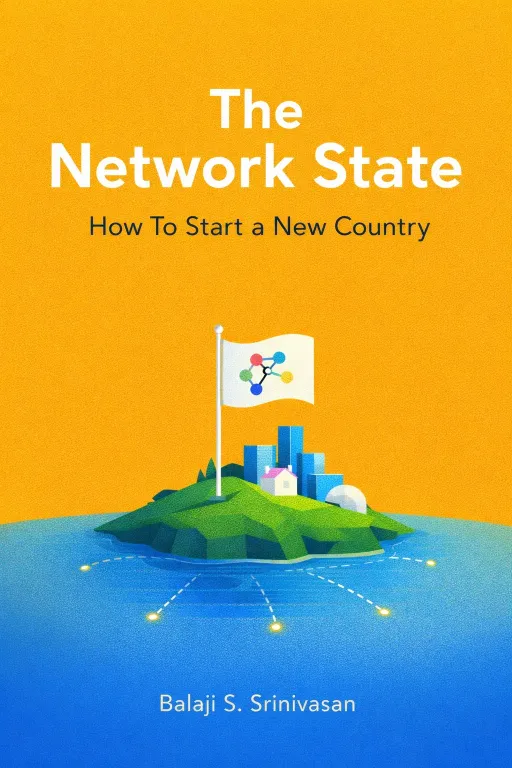
The Network State
Balaji Srinivasan
"The Network State" explores the concept of building new societies in the digital age, offering an alternative to traditional nation-states. The book examines history, technology, and moral philosophy to lay the groundwork for understanding and creating these "network states." It posits that focused moral innovation is key to building parallel societies that offer opt-in alternatives to existing systems. Readers will learn about the evolving global landscape and the potential for a tripolar world dominated by traditional power structures and decentralized networks. The book delves into the historical context of nation-states, contrasting them with the emerging paradigm of network states and their operational characteristics. It also explores possible future trajectories, considering the impact of decentralization and recentralization in a multi-actor world. Ultimately, "The Network State" presents a vision for a future where individuals can opt into societies aligned with their values, enabled by technological advancements and a new understanding of social organization.