

Technology & Science
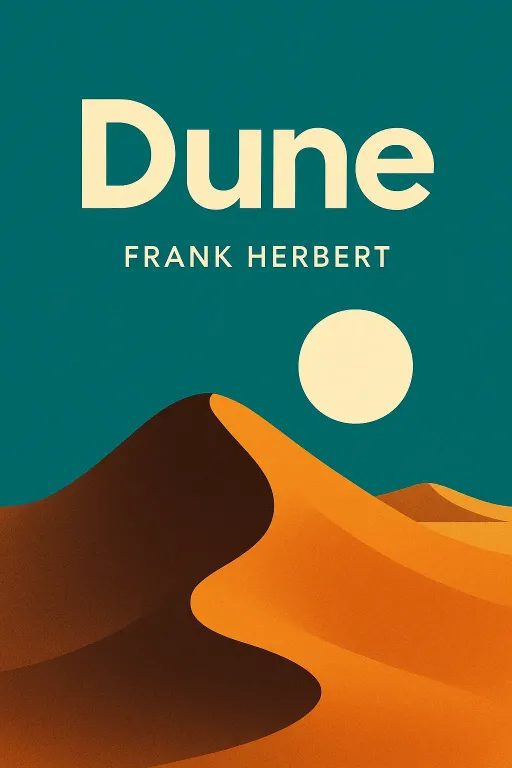
Dune
Frank Herbert
In the far future, on the desert planet Arrakis, a young man named Paul Atreides is caught up in a complex web of political intrigue and ecological disaster as his family takes control of the planet's valuable spice melange. This is only the beginning of his journey.
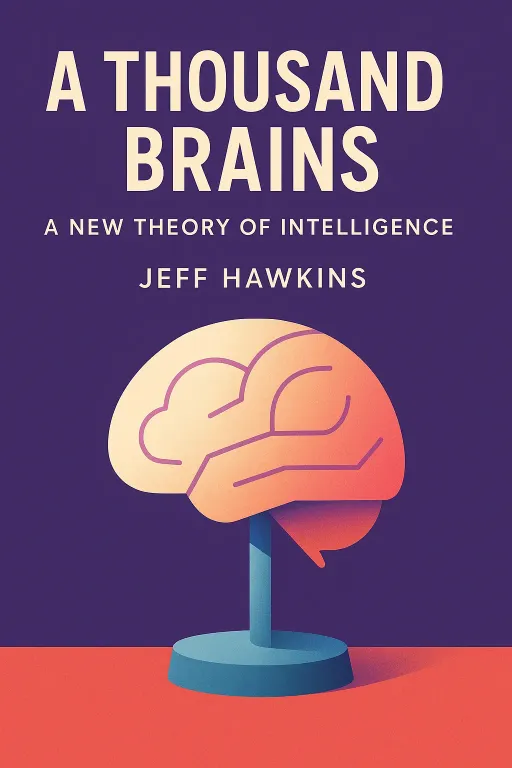
A Thousand Brains
Jeff Hawkins
Explore a groundbreaking new theory of intelligence that explains how the brain works and how truly intelligent machines can be built. Delve into the neocortex, reference frames, and the implications for machine intelligence and the future of humanity.
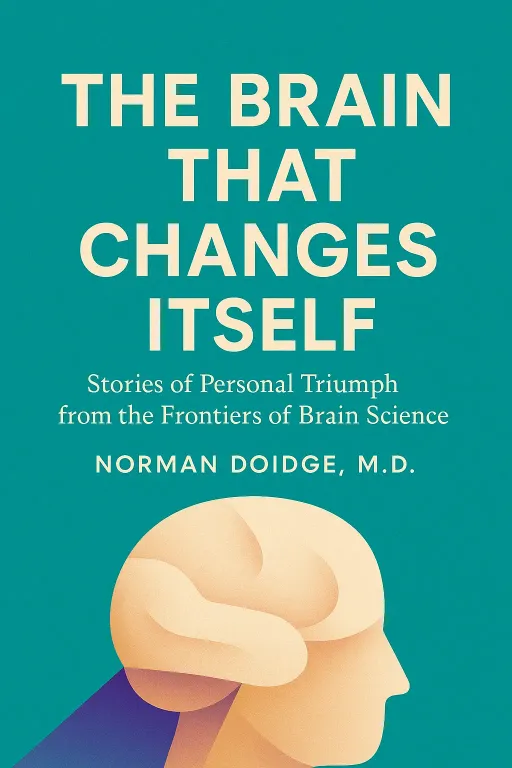
The Brain That Changes Itself
Norman Doidge
Explore the revolutionary discovery that the human brain can change itself through the stories of scientists, doctors, and patients who have experienced astonishing transformations. Without operations or medications, they have tapped into the brain's ability to reorganize and heal, challenging the long-held belief that brain anatomy is fixed.
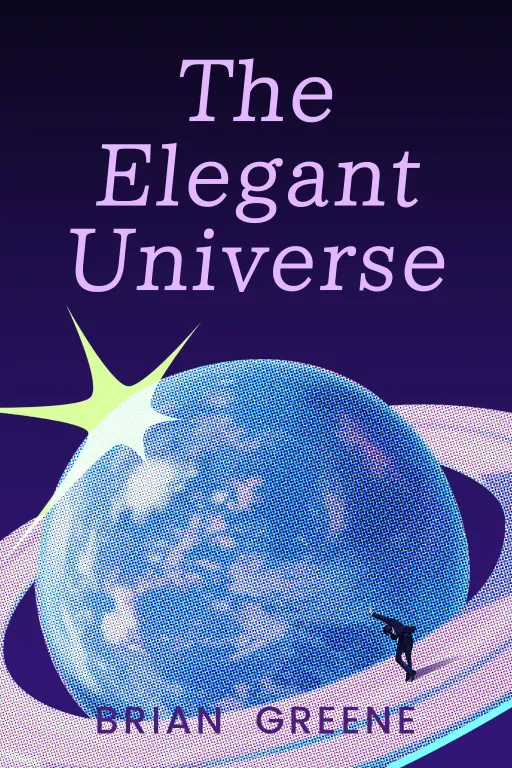
The Elegant Universe
Brian Greene
A journey into the world of superstring theory, exploring the cutting-edge physics that seeks to unify all forces and matter into a single, elegant framework. Discover how this theory revolutionizes our understanding of space, time, and the universe's fundamental laws.
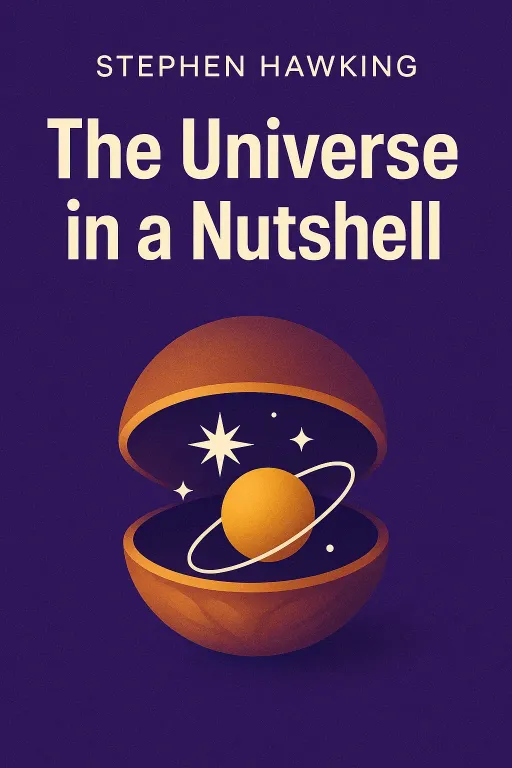
The Universe in a Nutshell
Stephen Hawking
A fascinating exploration of the universe's fundamental concepts, building upon 'A Brief History of Time'. Hawking delves into relativity, quantum theory, and the ongoing quest for a unified Theory of Everything, offering insights into the cosmos and our place within it.
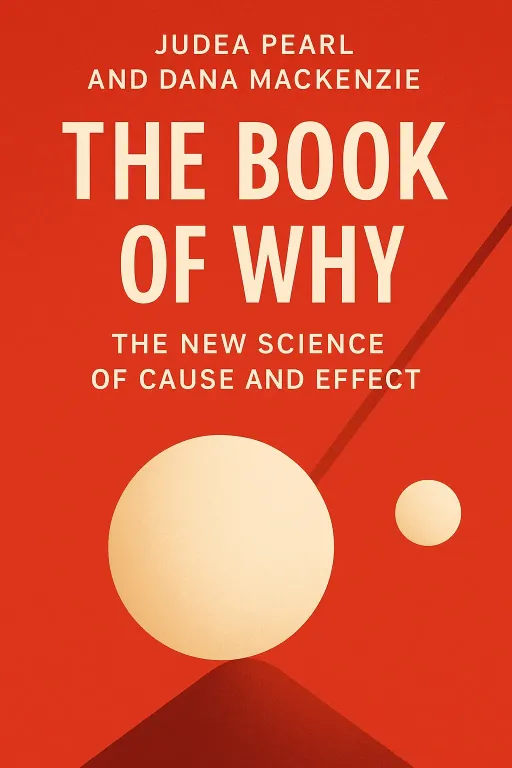
The Book of Why
Judea Pearl
A groundbreaking book that revolutionizes how we think about cause and effect, revealing the new science of causal inference and its profound implications for science, technology, and our understanding of the world.

Mathematics for Ladies
Jessy Randall
A captivating collection of poems that celebrates the lives and groundbreaking contributions of often-overlooked women in science throughout history. From ancient pioneers to modern-day innovators, this book reclaims the narratives of brilliant minds like Marie Curie, Lise Meitner, and Maryam Mirzakhani, challenging historical biases and highlighting their profound impact on scientific discovery through evocative verse.
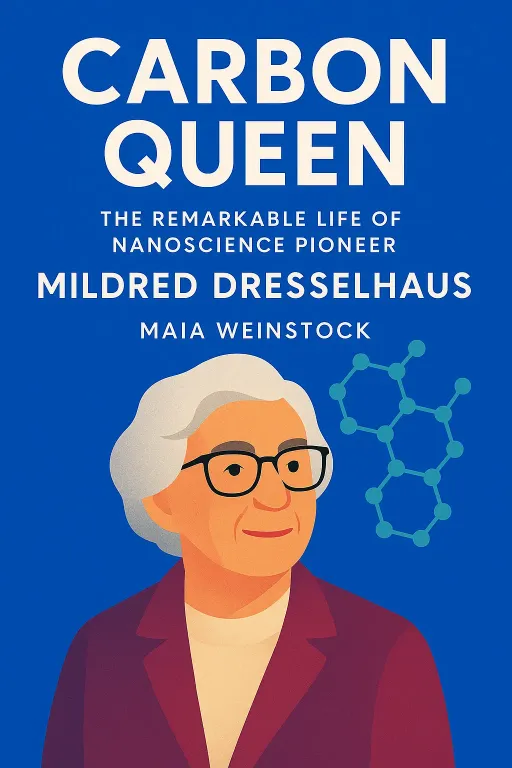
Carbon Queen
Maia Weinstock
Discover the extraordinary life of Mildred Dresselhaus, the 'Queen of Carbon,' who defied poverty and societal expectations to become a trailblazing physicist and engineer. This captivating biography chronicles her journey from a challenging childhood in Depression-era New York to her groundbreaking research in nanoscience, including her pivotal predictions about carbon nanotubes. More than a scientist, Dresselhaus was a tireless educator, mentor, and advocate for women in STEM, leaving an indelible legacy that reshaped our understanding of matter and inspired countless individuals.