

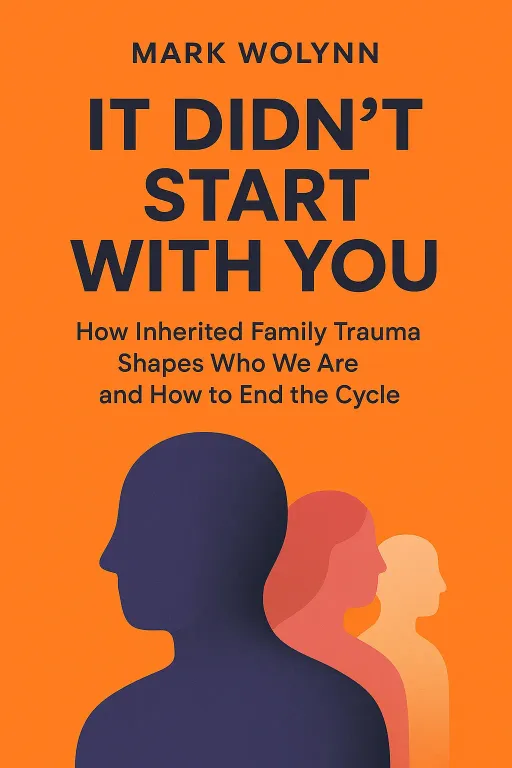
It Didn't Start with You
Mark Wolynn
Explore the groundbreaking approach to understanding and resolving inherited family trauma. Discover how patterns of anxiety, depression, and other emotional challenges can be traced back through generations, and learn practical tools to break free from these cycles and reclaim your life.
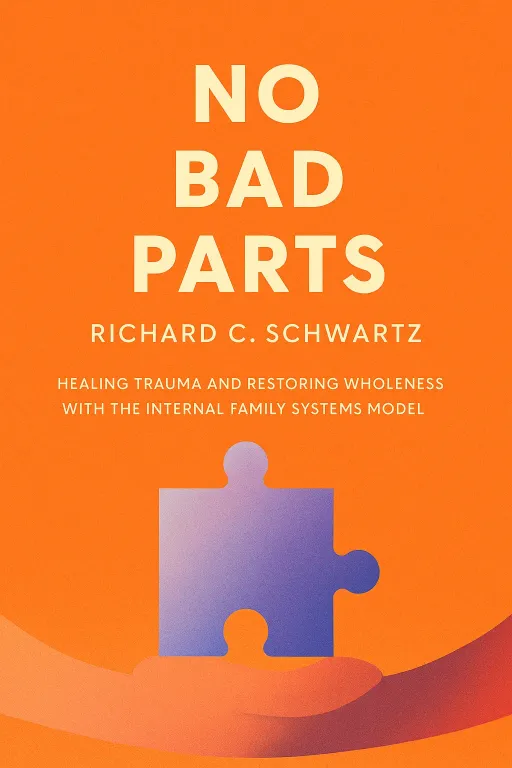
No Bad Parts
Richard C. Schwartz
Discover the Internal Family Systems (IFS) model and learn how to heal trauma and restore wholeness by understanding and loving the different parts within yourself. This book offers a transformative approach to self-discovery and inner healing, guiding you towards a more compassionate and integrated sense of self.
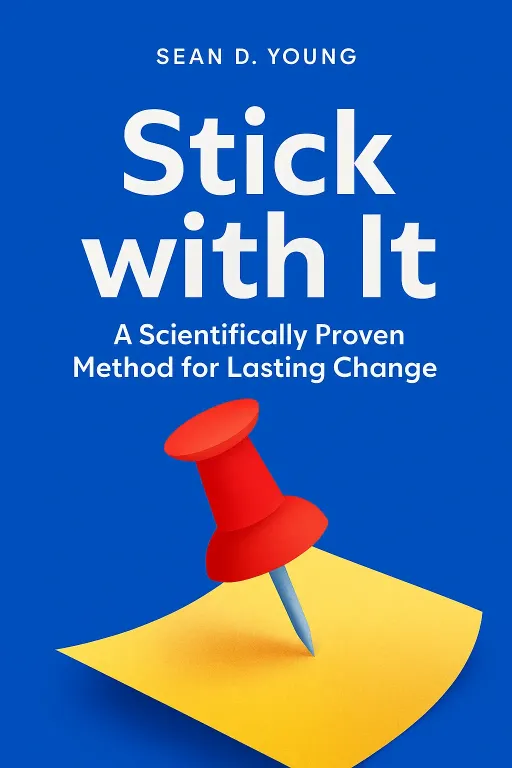
Stick with It
Sean D. Young
Discover the science-backed secrets to lasting change in your life and work. Based on fifteen years of research, this book reveals the seven psychological forces that drive successful behavior modification. Learn how to harness these forces to achieve your goals, whether it's improving your health, boosting your career, or breaking bad habits. Transform your life with a proven method for sticking with it.

Too Much and Never Enough
Mary L. Trump
A revealing and insightful memoir by Mary L. Trump, offering an insider's perspective on the Trump family dynamics and how they shaped Donald Trump into the person he is today. With a background in clinical psychology, the author delves into the family history, exploring the psychological factors that contributed to the creation of a man who would become one of the most controversial figures in modern history. A candid and thought-provoking exploration of family, power, and the making of a president.
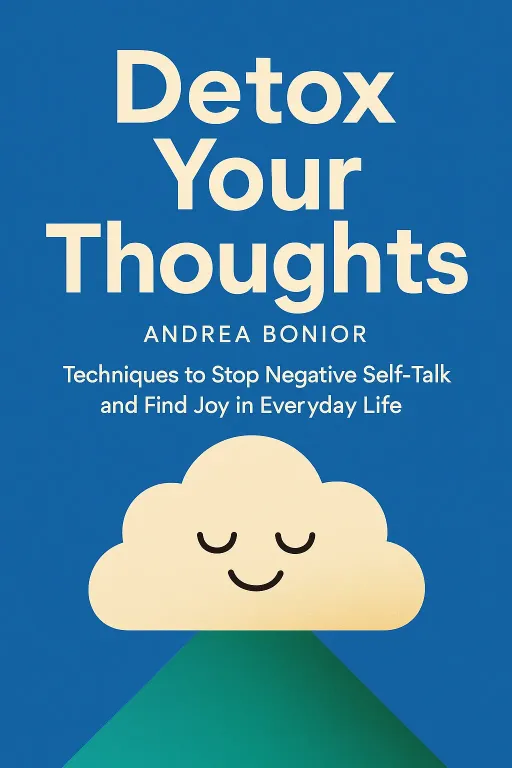
Detox Your Thoughts
Andrea Bonior
A guide to help you overcome destructive mental chatter that can block you from bliss. This book provides a clear road map to free up mental space so you can pursue what’s truly meaningful. It gives you permission to feel your emotions and provides the tools to work with and through them, transforming self-doubt into self-assurance one thought at a time.
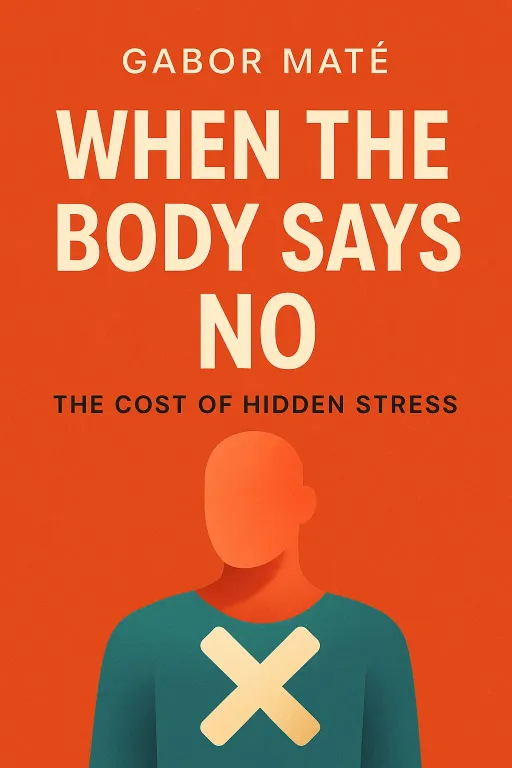
When the Body Says No
Gabor Maté
Explore the hidden connections between stress, emotions, and illness in this eye-opening book. Through compelling case studies and scientific research, discover how repressing emotions can impact your health and well-being. Learn to recognize the warning signs your body sends and embark on a journey of personal transformation and healing.
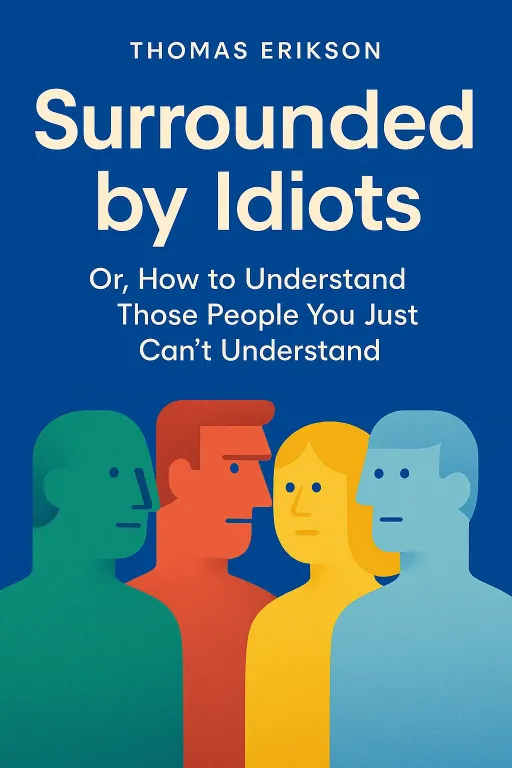
Surrounded by Idiots
Thomas Erikson
Discover the secrets to understanding and communicating with different personality types using the DISC system. Learn how to navigate challenging interactions, appreciate diverse perspectives, and unlock your potential in both personal and professional relationships. Are you surrounded by idiots? Maybe it's time to understand them.
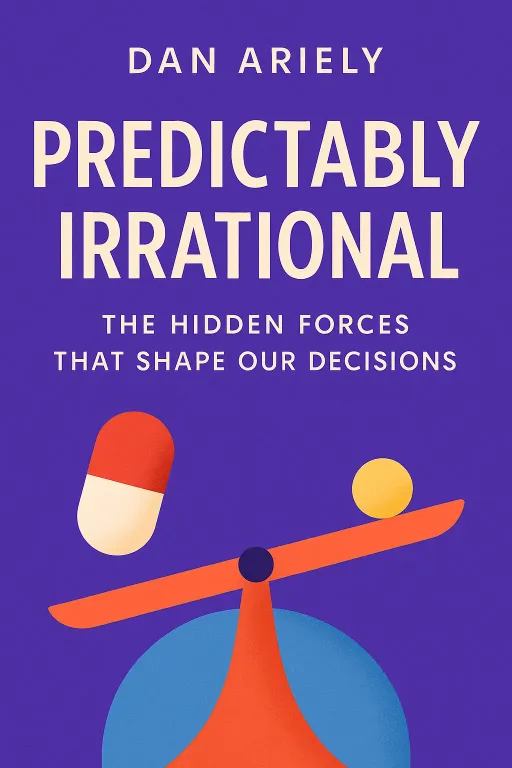
Predictably Irrational
Dan Ariely
Why do our headaches persist after taking a one-cent aspirin but disappear when we take a 50-cent aspirin? Why do we splurge on a lavish meal but cut coupons to save 25 cents on a can of soup? In this book, Dan Ariely exposes the hidden forces that shape our decisions, revealing the predictable irrationality that influences our daily lives and choices.