

Relationship & Family
The Stuff of Thought
Steven Pinker
A fascinating exploration of how language shapes our thoughts and perceptions of the world. Steven Pinker delves into the intricacies of semantics and pragmatics, revealing how our words reflect our understanding of reality, emotions, and social relationships. From the billion-dollar debate over the meaning of 'event' to the hidden metaphors embedded in our everyday speech, this book offers a captivating glimpse into the human mind.
This Is Not a Book About Benedict Cumberbatch
Adam Gollner
A thought-provoking exploration of our emotional disconnect from the planetary crisis, examining why we struggle to believe in and act on the face of overwhelming evidence. Through personal anecdotes and historical examples, the author delves into the psychological barriers that prevent us from confronting the challenges of climate change, questioning our values and our capacity for meaningful action.
The Moral Animal
Robert Wright
A groundbreaking exploration of evolutionary psychology, revealing the hidden Darwinian forces behind our behavior. Robert Wright delves into the complexities of human nature, examining the evolutionary roots of love, sex, friendship, morality, and social status. Prepare to have your understanding of yourself and society profoundly altered.
Stolen Focus
Johann Hari
A comprehensive summary of Johann Hari's 'Stolen Focus,' exploring the societal factors contributing to our declining attention spans. It delves into the manipulative tactics of big tech, the impact of stress and societal pressures, and offers insights into reclaiming our focus and thinking deeply again.
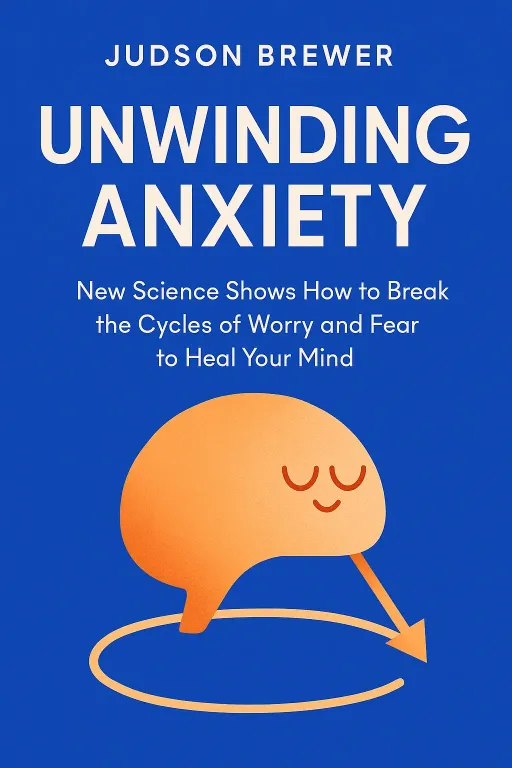
Unwinding Anxiety
Judson Brewer
Unwinding Anxiety offers a groundbreaking approach to understanding and overcoming anxiety. Drawing on neuroscience and mindfulness techniques, Dr. Judson Brewer provides practical tools to break free from cycles of worry and fear, helping you rewire your brain for greater calm and well-being. Discover how to identify anxiety triggers, update your brain's reward system, and cultivate a bigger, better offer for lasting change.
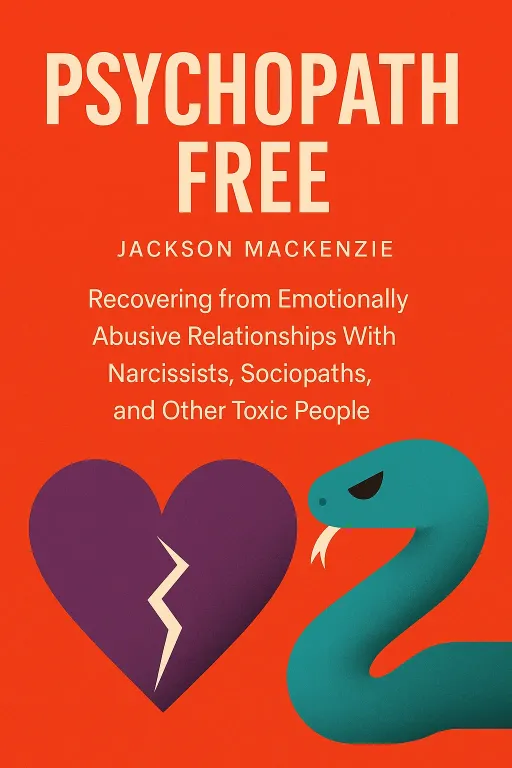
Psychopath Free
Jackson MacKenzie
A guide to understanding and recovering from emotionally abusive relationships with narcissists, sociopaths, and other toxic people. It offers insights, red flags, and recovery strategies for survivors of psychopathic abuse, helping them reclaim their lives and build healthier relationships.
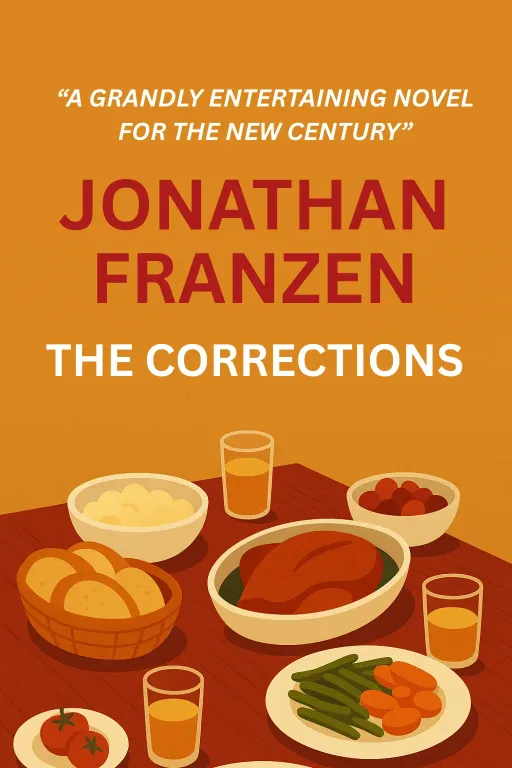
The Corrections
Jonathan Franzen
A darkly comic and deeply affecting novel about a Midwestern family struggling to navigate the complexities of modern life. As the aging parents grapple with their own physical and mental decline, their three adult children face crises in their careers, relationships, and personal identities. "The Corrections" explores themes of love, loyalty, ambition, and the elusive pursuit of happiness in a world of constant change.
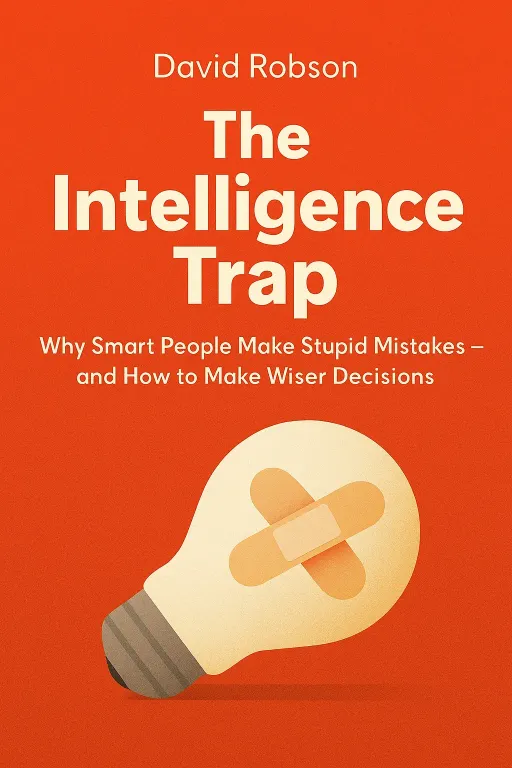
The Intelligence Trap
David Robson
Why do intelligent people sometimes act foolishly? This book explores the flaws in our understanding of intelligence and the ways that even the brightest minds can backfire. It also outlines the thinking dispositions and cognitive abilities that are crucial for good reasoning, offering practical techniques to cultivate them and avoid the intelligence trap.