

Relationship & Family
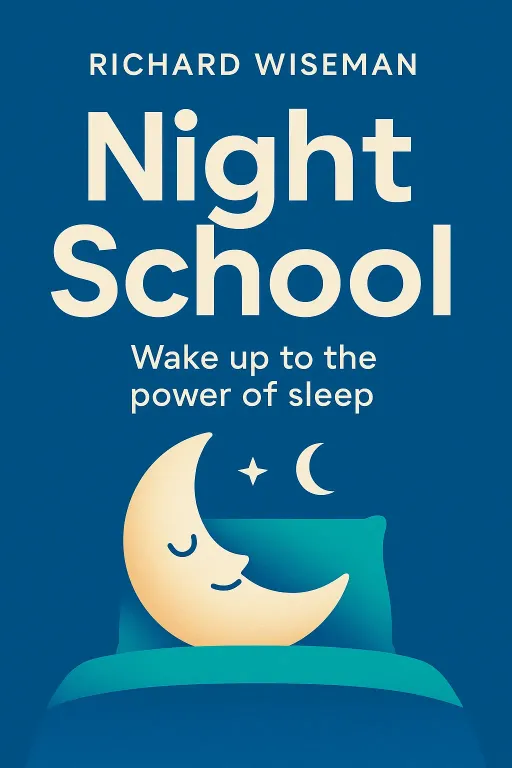
Night School
Richard Wiseman
Night School takes you on an in-depth tour into the science of sleep and dreaming, and presents practical techniques that you can use to get the most out of the night. Discover what happens to your brain and body every night of your life, uncover the mysteries of the human sleep cycle, learn how to overcome nightmares, discover how to enjoy a great night’s sleep, and find out how your dreams have the power to change your life.
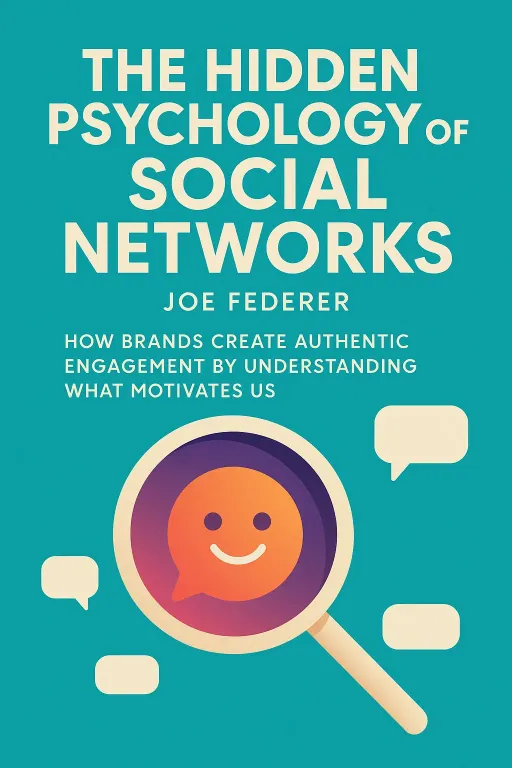
The Hidden Psychology of Social Networks
Joe Federer
Explore the fascinating world of social media through the lenses of evolutionary biology and psychology. Discover how brands can create better content, drive engagement, and strategize effective campaigns by understanding the underlying motivations that drive human behavior in online social networks. Uncover the secrets to navigating the complex landscape of social media and unlock the potential for authentic engagement.
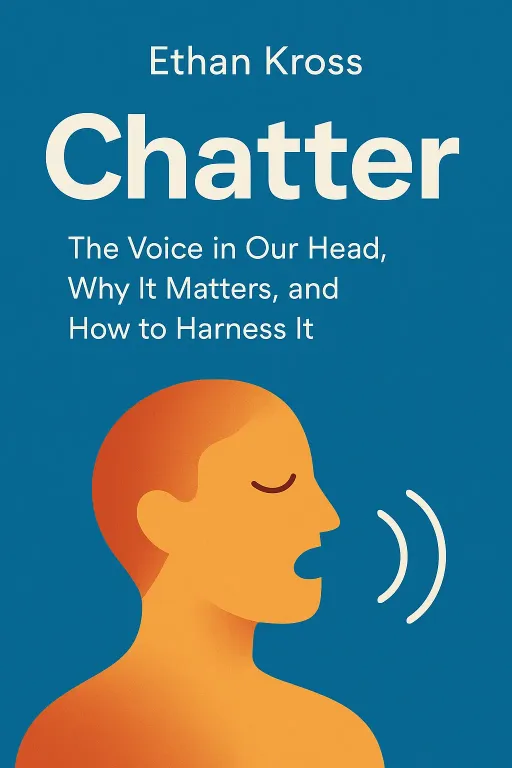
Chatter
Ethan Kross
An exploration of the inner voice, how it affects our lives, and techniques for managing negative self-talk. It combines scientific research with real-life stories to provide practical tools for improving mental well-being and performance.
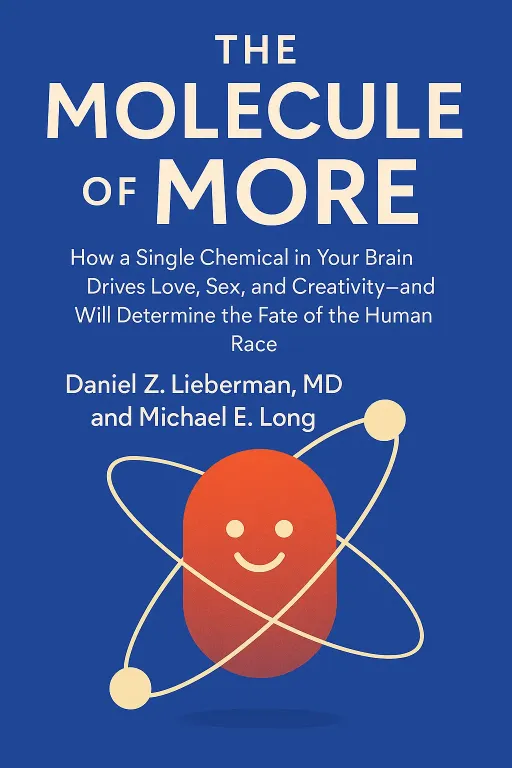
The Molecule of More
Daniel Z. Lieberman
Explore the fascinating role of dopamine, a single chemical in your brain, and how it influences love, sex, creativity, and the future of the human race. Discover the science behind desire, motivation, and the perpetual pursuit of 'more' in this captivating exploration of human behavior.
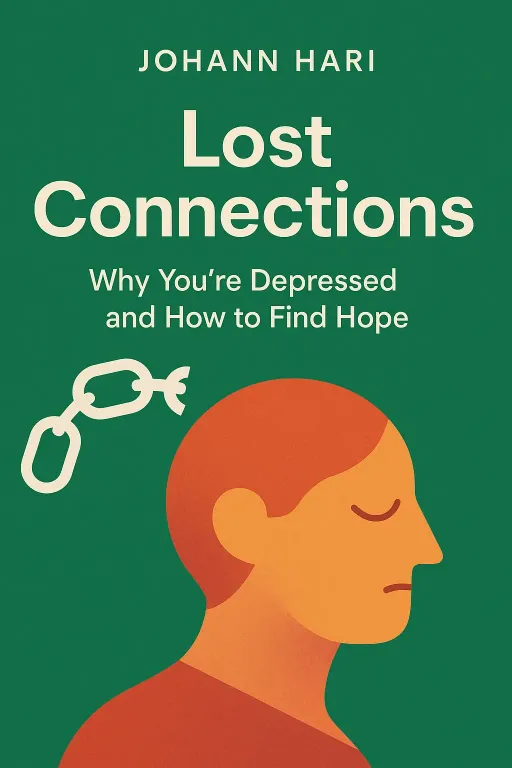
Lost Connections
Johann Hari
A deeply researched and compelling exploration into the real causes of depression and anxiety, challenging conventional wisdom and offering a new vision for hope and healing. It examines the societal and environmental factors contributing to mental health struggles and proposes innovative solutions for reconnection and recovery.
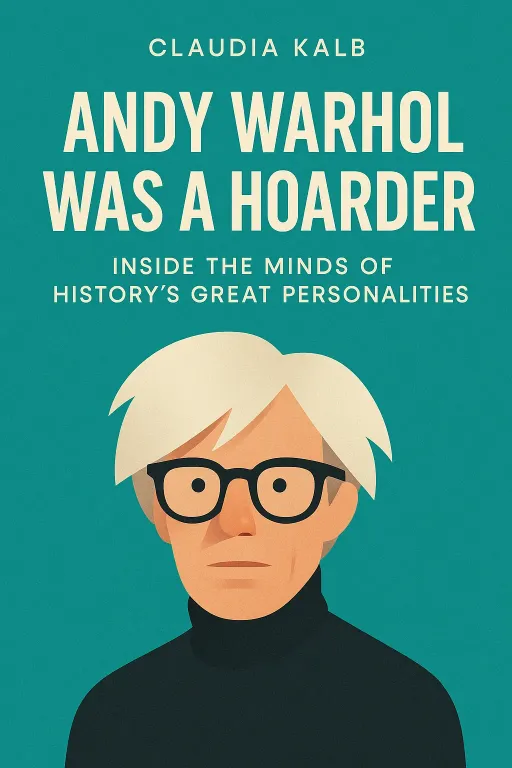
Andy Warhol Was a Hoarder
Claudia Kalb
A journey into the wonder and anguish of the mind as told through the lives of 12 celebrated figures who reshaped the world. The book explores the mental health conditions of famous individuals like Andy Warhol, Marilyn Monroe, Albert Einstein, and Abraham Lincoln, offering insights into the complexities of the human psyche and the intersection of genius and mental illness.
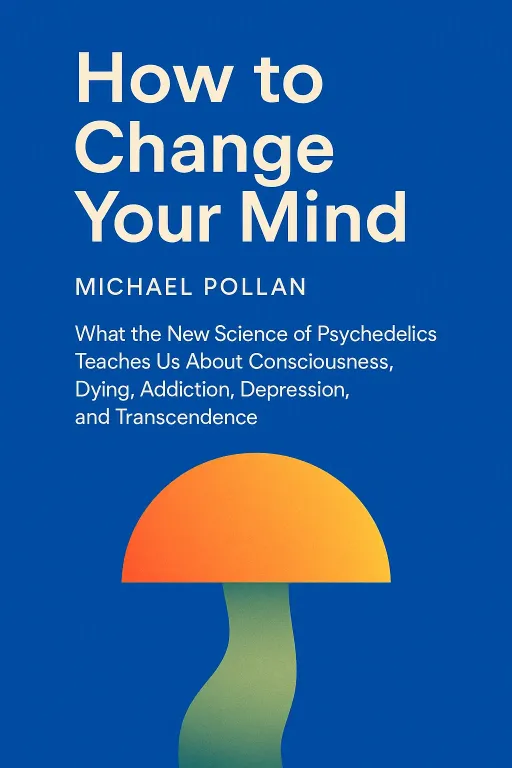
How to Change Your Mind
Michael Pollan
An exploration of the history and science behind psychedelic drugs, and their potential for treating mental illness, addiction, and existential distress. The book delves into the author's personal experiences and the renaissance of psychedelic research, offering insights into consciousness, spirituality, and the human mind.
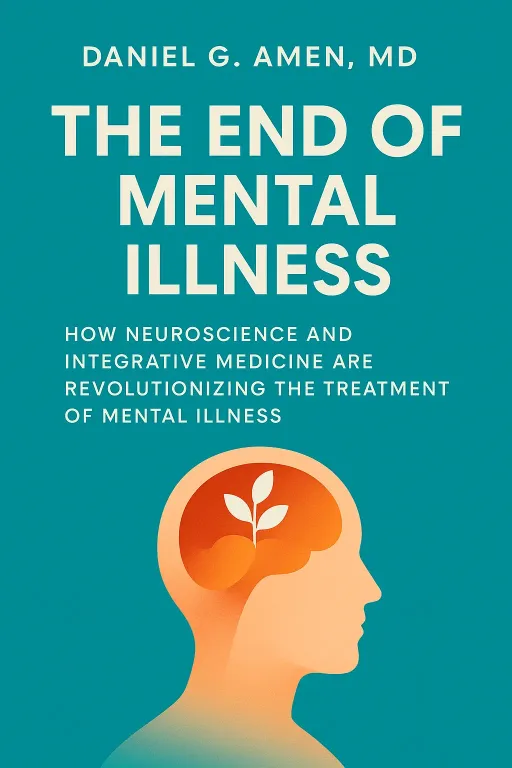
The End of Mental Illness
Daniel G. Amen
Dr. Daniel Amen challenges the traditional view of mental illness, advocating for a brain-centered approach that integrates neuroscience and functional medicine. He offers a roadmap to maximize brain health, prevent mental afflictions, and reclaim your life by addressing biological, psychological, social, and spiritual components.