

Relationship & Family
Black and White Thinking
Kevin Dutton
Explore the fascinating world of black and white thinking with Dr. Kevin Dutton. This book delves into how our brains categorize information, the impact of binary thought processes on our decisions, and how this can affect our lives. Discover the evolutionary roots of this cognitive habit and learn how to navigate the complexities of a world that's rarely so clear-cut.
Blink: The Power of Thinking Without Thinking
Malcolm Gladwell
Blink is a book about how our brains make quick decisions, often in the blink of an eye. Malcolm Gladwell explores the power and perils of snap judgments and first impressions, revealing how we can learn to make better, more informed choices in the face of complexity and stress.
Blindspot
Mahzarin R. Banaji
An exploration of hidden biases that affect our judgment and behavior, even among well-intentioned people. Using the Implicit Association Test (IAT) and other methods, the authors reveal how unconscious feelings and beliefs about social groups can influence our actions in everyday life, leading to unintended damages to both others and ourselves. Discover the mindbugs that shape our perceptions and learn how to outsmart the machine.
Hardcore Self Help
Robert Duff
A no-nonsense guide to understanding and managing anxiety. Dr. Duff uses humor and real-world examples to provide practical tools and techniques for overcoming anxiety and improving mental well-being. This book offers a refreshing and relatable approach to self-help, cutting through the psychobabble to deliver actionable advice.
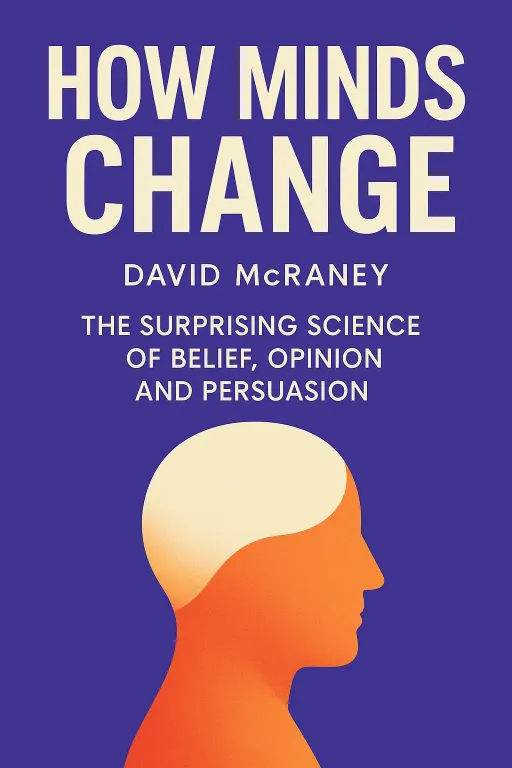
How Minds Change
David McRaney
Explore the science of belief, opinion, and persuasion in David McRaney's 'How Minds Change.' Discover the surprising psychology behind why people change their minds (or don't) and learn how to apply these insights to foster understanding and bridge divides in a polarized world.
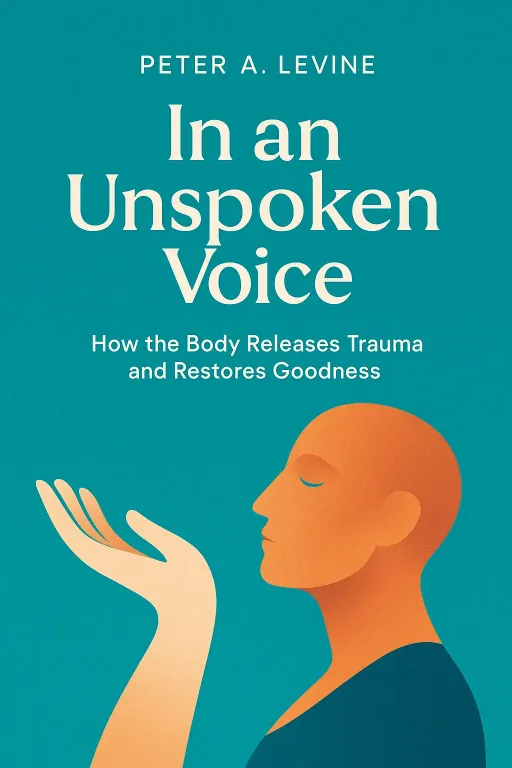
In an Unspoken Voice
Peter A. Levine
Peter Levine introduces a groundbreaking approach to healing trauma by unlocking the body's natural capacity for recovery. Through personal stories, case studies, and scientific insights, he reveals how trauma affects the body and mind, and provides practical tools for releasing blocked energies and restoring resilience. Discover how to listen to the unspoken voice of the body and transform trauma into an opportunity for healing and wholeness.
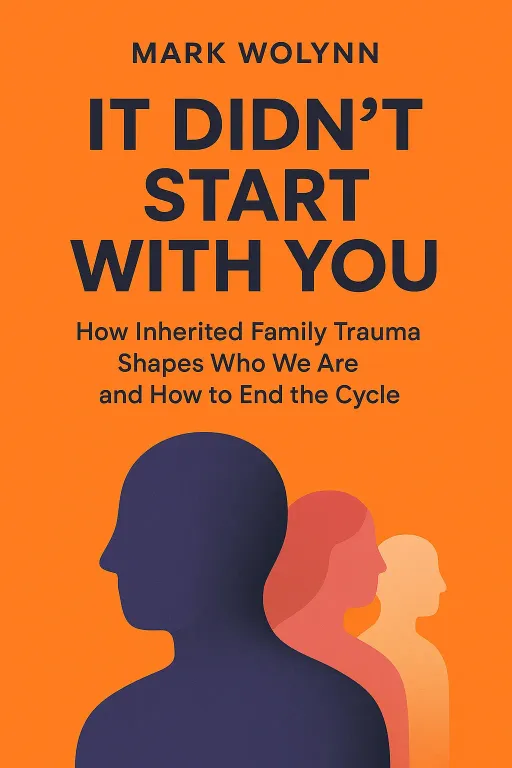
It Didn't Start with You
Mark Wolynn
Explore the groundbreaking approach to understanding and resolving inherited family trauma. Discover how patterns of anxiety, depression, and other emotional challenges can be traced back through generations, and learn practical tools to break free from these cycles and reclaim your life.
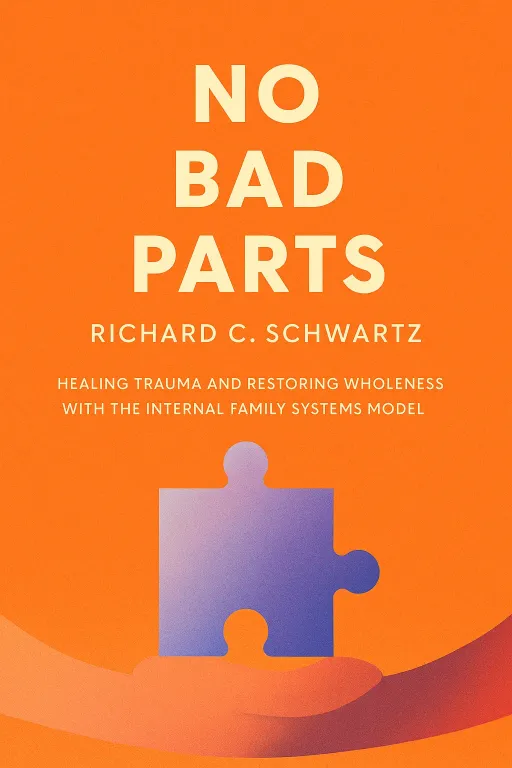
No Bad Parts
Richard C. Schwartz
Discover the Internal Family Systems (IFS) model and learn how to heal trauma and restore wholeness by understanding and loving the different parts within yourself. This book offers a transformative approach to self-discovery and inner healing, guiding you towards a more compassionate and integrated sense of self.