


Streets of Gold
Evan Hunter
A blind jazz pianist, Ignazio Silvio Di Palermo (who later adopts the name Dwight Jamison), recounts the sprawling, often contradictory, saga of his Italian-American family's journey through the American Dream. From his grandfather's arrival in New York with dreams of 'gold in the streets' to his own struggles with blindness, music, and identity, the narrative weaves together personal anecdotes, cultural observations, and philosophical musings on truth, lies, and the elusive nature of American success. A poignant and complex exploration of immigration, family, and the search for belonging in a land of shifting realities.
Pride and Prejudice
Jane Austen
In a world defined by social expectations, first impressions can be deceiving. Follow Elizabeth Bennet as she navigates love, class, and the complexities of society in this timeless tale of wit and romance. Will she overcome her pride and prejudice to find true happiness?

The Metamorphosis
Franz Kafka
A traveling salesman, Gregor Samsa, wakes up one morning to find himself inexplicably transformed into a huge insect. This novella explores his struggle to come to terms with his new condition as he is rejected by his family and society.
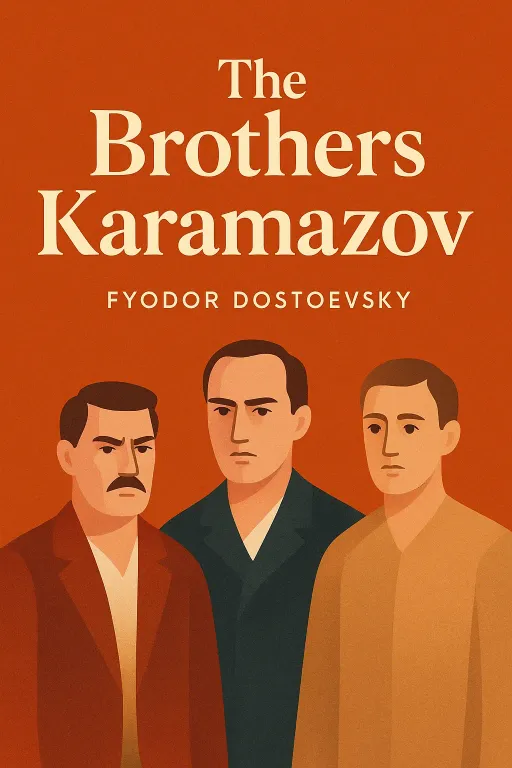
The Brothers Karamazov
Fyodor Dostoevsky
"The Brothers Karamazov" is the final and greatest masterpiece by the Russian literary giant Fyodor Dostoevsky. On the surface, the novel is a gripping murder mystery centered on the death of Fyodor Pavlovich Karamazov, a grotesque and greedy landowner. The primary suspect is his eldest son, but the investigation reveals a complex web of family dysfunction, rivalry, and shared guilt. However, the book is truly a philosophical arena where Dostoevsky stages the ultimate battle for the human soul. The three brothers represent distinct aspects of human nature. Dmitri embodies raw passion and unbridled sensory pleasure. Ivan represents the tortured intellect and skeptical reason. Alyosha stands for faith, forgiveness, and spiritual love. Through these characters, Dostoevsky explores the deepest questions of existence. The novel is famous for the chapter involving The Grand Inquisitor, a parable invented by Ivan that questions whether humanity truly desires freedom or if we would prefer the comfort of security and authority. The story challenges the reader to decide if a world full of suffering can be justified and if moral order is possible without a belief in the divine.
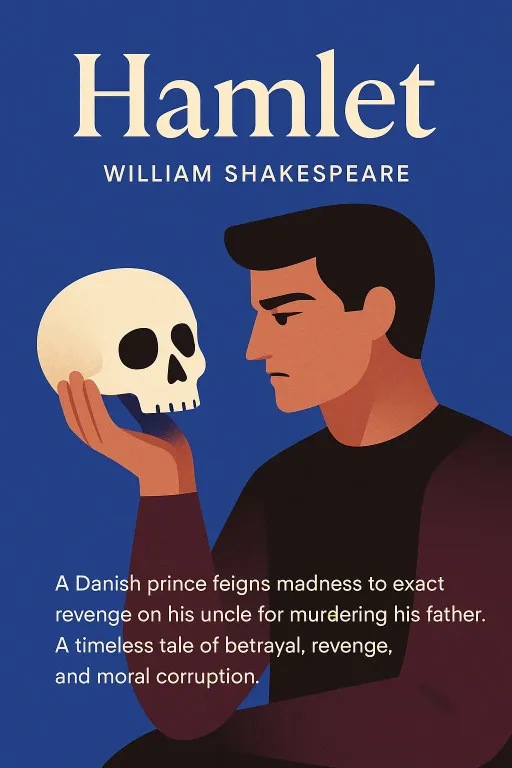
Hamlet
William Shakespeare
"Hamlet" is the quintessential tragedy of the English language, written by William Shakespeare. It tells the story of the Prince of Denmark, who returns home from university to find his father dead and his mother already married to his uncle, Claudius. When the ghost of his father appears and reveals that he was murdered by Claudius, Hamlet is charged with a terrible duty: revenge. The play is not a simple action story but a profound psychological study of a mind unraveling. Hamlet is paralyzed by his own intellect. He overthinks every move, feigning madness to investigate the truth while struggling with the morality of murder and the certainty of death. This internal conflict produces some of literature's most famous lines, including the existential query regarding whether it is better to be or not to be. The delay leads to a cascade of unnecessary deaths, including his beloved Ophelia and her father Polonius. The story culminates in a catastrophic duel that leaves the Danish court destroyed. It stands as a timeless exploration of grief, betrayal, and the paralyzing power of doubt.
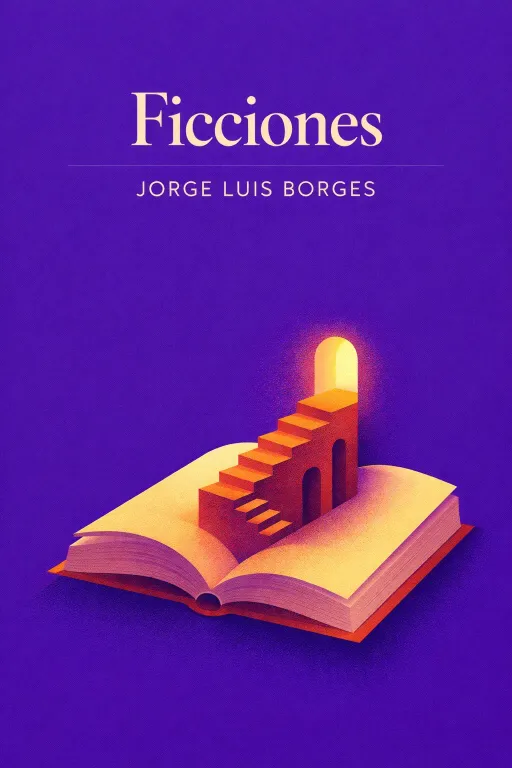
Ficciones
Jorge Luis Borges
"Ficciones" is a collection of short stories by Jorge Luis Borges that delves into metaphysical and philosophical concepts through fantastical and mysterious narratives. The stories explore the nature of reality, the power of language, and the intricate relationship between chance, fate, and human will. Borges masterfully blends elements of detective fiction, fantasy literature, and philosophical inquiry to create thought-provoking and imaginative worlds. Readers will encounter imaginary worlds like Tlön, where reality is shaped by collective belief, and the infinite Library of Babel, containing every possible permutation of text. They will explore the concept of time as a labyrinth in "The Garden of Forking Paths," where all possible outcomes coexist. The collection also presents fictional literary critiques and reviews, such as those of Herbert Quain and Pierre Menard, prompting readers to question the nature of authorship, interpretation, and the very essence of literature itself. Through these intricate and inventive stories, Borges invites readers to contemplate the boundaries of knowledge, the illusion of reality, and the profound impact of human perception. The collection offers a unique literary experience that challenges conventional notions of storytelling and explores the depths of human thought and imagination.

Frankenstein
Mary Shelley
"Frankenstein" is a seminal work of Gothic and science fiction that delves into the themes of creation, ambition, isolation, and the nature of humanity. Through the interwoven narratives of Captain Robert Walton and Victor Frankenstein, the novel explores the consequences of unchecked scientific pursuit and the profound impact of rejection and loneliness on both creator and creation. This edition offers readers a comprehensive experience, beginning with insightful excerpts and an extensive introduction analyzing the novel's enduring legacy and its various interpretations. Readers will gain a deeper understanding of Mary Shelley's life, the historical and scientific context that shaped her masterpiece, and the philosophical underpinnings of the story. The book includes Mary Shelley's account of the novel's origin, detailing the circumstances of its conception during a rainy summer in Switzerland. Framed by Robert Walton's letters recounting his Arctic voyage and encounter with Victor Frankenstein, the story unfolds with Victor's narration of his idyllic childhood, his family, and the beginnings of his fateful scientific endeavors. Readers are invited to explore the depths of Frankenstein's ambition and the tragic consequences that ensue from his creation.
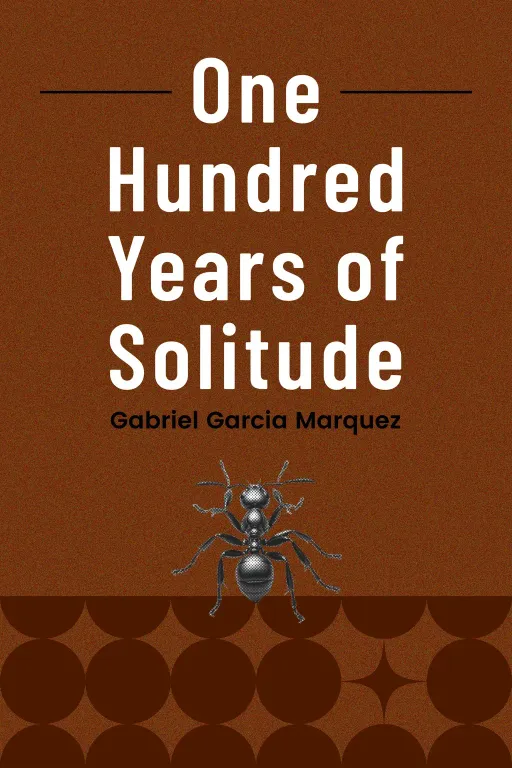
One Hundred Years of Solitude
Gabriel Garcia Marquez
"One Hundred Years of Solitude" is the magnum opus of Colombian Nobel laureate Gabriel García Márquez and stands as the absolute pinnacle of Magical Realism. It is a dazzling, dense, and hypnotic novel that tells the multi-generational saga of the Buendía family and the fictional town they founded, Macondo. The story begins with the patriarch, José Arcadio Buendía, who establishes Macondo in the depths of the jungle as a utopian city of mirrors. However, the town does not remain isolated for long. It becomes a microcosm for the history of Colombia and Latin America, enduring civil wars, foreign imperialism, labor strikes, and the arrival of modern technology. What makes the book unique is how the supernatural is woven seamlessly into the fabric of everyday life. In Macondo, magic is mundane and reality is absurd. A plague of insomnia causes the townspeople to forget the names of objects, forcing them to label everything. A torrential rainstorm lasts for nearly five years. A young woman ascends bodily into heaven while folding laundry, and a mechanic is perpetually surrounded by a swarm of yellow butterflies. At its core, the novel is a meditation on the cyclical nature of time and the inescapability of fate. The Buendía family is trapped in a loop of history, a fact emphasized by the repetition of family names across seven generations. The Aurelios are withdrawn and intellectual, while the Arcadios are impulsive and physically strong, yet all share a common curse: they are unable to truly love. They are condemned to a profound, crushing solitude. The narrative spirals toward a predetermined and apocalyptic conclusion. The history of the family turns out to have been written down in Sanskrit manuscripts by a gypsy named Melquíades long before the events occurred. The novel ends with the last surviving Buendía deciphering these parchments at the very moment that Macondo is wiped from the face of the earth by a biblical hurricane, fulfilling the prophecy that races condemned to one hundred years of solitude did not have a second opportunity on earth.