

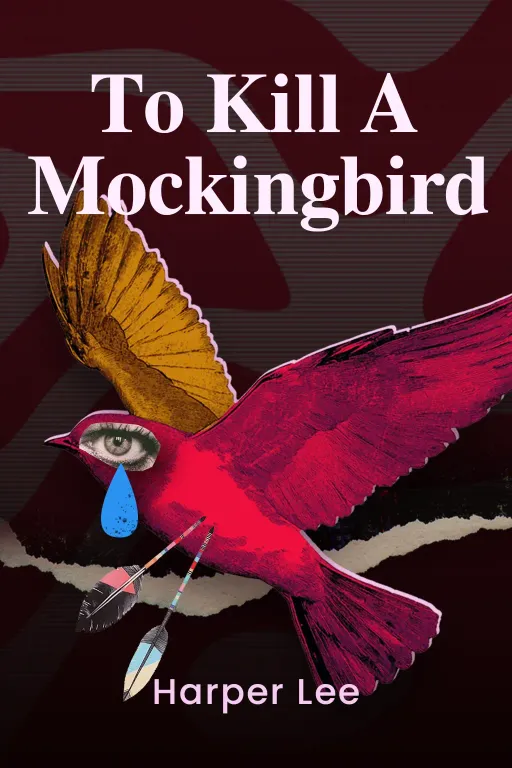
To Kill a Mockingbird
Harper Lee
In the sleepy Southern town of Maycomb, Alabama, Scout Finch and her brother Jem learn indelible lessons about justice, compassion, and the complexities of human nature as their lawyer father, Atticus, defends a black man wrongly accused of a crime. Through Scout's innocent eyes, we witness the prejudices and moral struggles of a community grappling with profound social change, and the enduring power of empathy in the face of injustice.
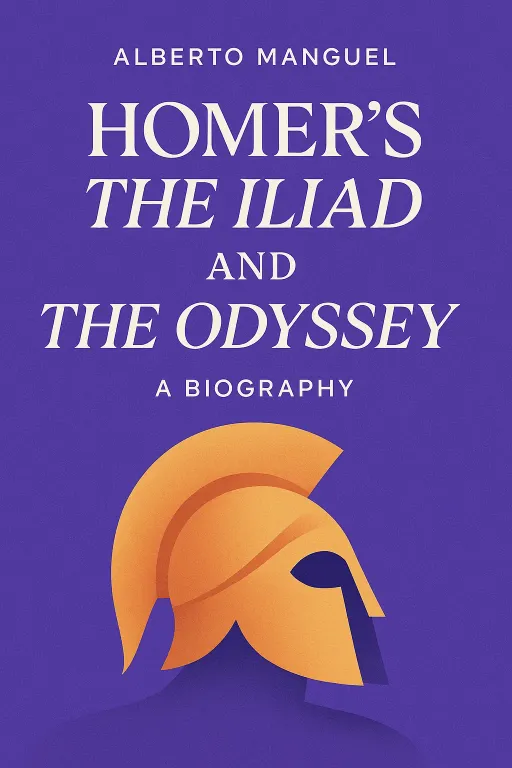
Homer's The Iliad and The Odyssey
Alberto Manguel
Explore the enduring influence and timeless appeal of Homer's epic poems, The Iliad and The Odyssey, through the insightful lens of Alberto Manguel. This biography delves into the historical context, literary significance, and lasting impact of these foundational works of Western literature.

Persuasion
Jane Austen
A story of second chances, Anne Elliot confronts lost love and societal expectations when Captain Wentworth returns to her life after years apart. Will she find the courage to pursue happiness, or will pride and prejudice keep them separated forever?
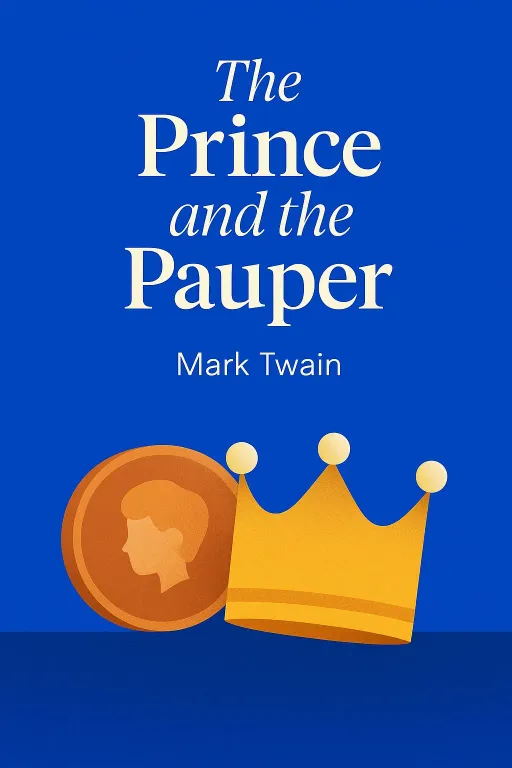
The Prince and the Pauper
Mark Twain
In this timeless tale, two boys, one a prince and the other a pauper, discover they are identical and decide to trade places, leading to a series of unexpected and life-altering adventures.
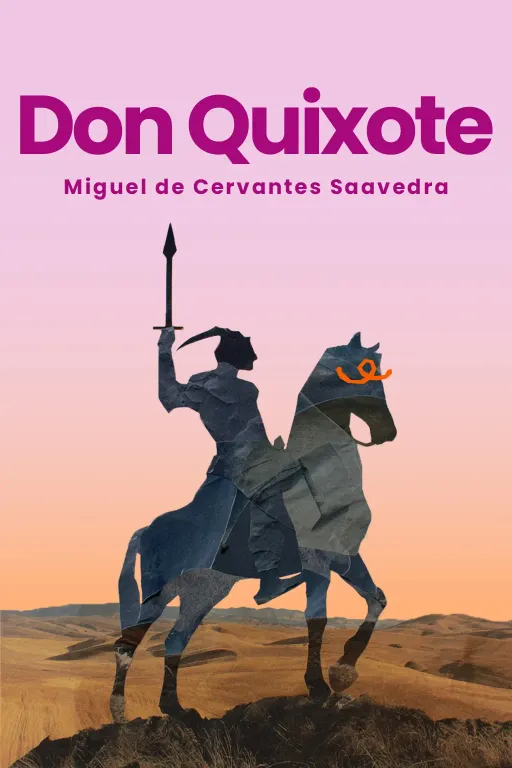
Don Quixote
Miguel de Cervantes
Embark on a timeless journey with Don Quixote, a whimsical and imaginative novel that follows the adventures of a noble Spanish gentleman as he sets out to revive chivalry and right the wrongs of the world. Accompanied by his loyal squire, Sancho Panza, Don Quixote's fantastical quests and humorous encounters offer a delightful exploration of human nature, idealism, and the power of imagination.
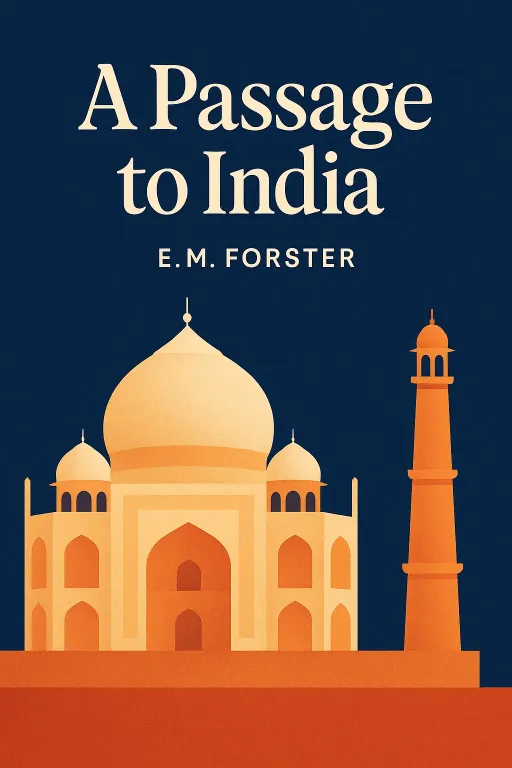
A Passage to India
E.M. Forster
Set against the backdrop of colonial India, A Passage to India explores the complex relationships between the English and the Indians. Through the experiences of Mrs. Moore and Adela Quested, the novel delves into themes of cultural misunderstanding, prejudice, and the elusive possibility of connection in a world divided by power and history. A story that will leave you pondering the depths of human relations.
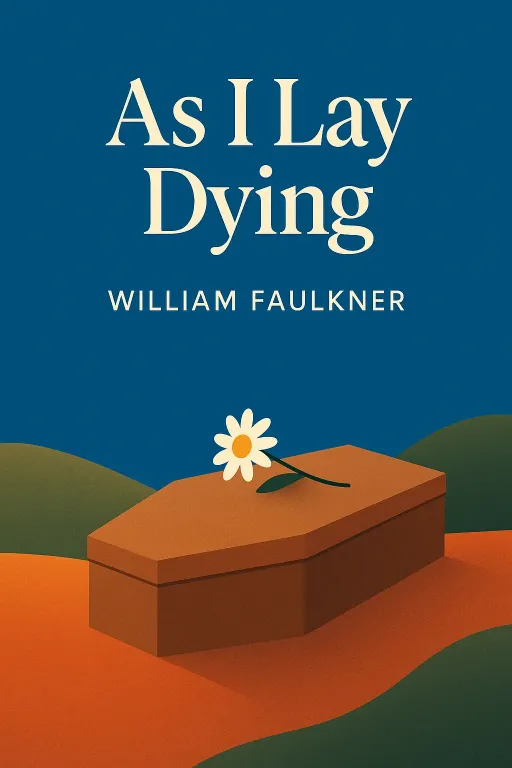
As I Lay Dying
William Faulkner
In William Faulkner's haunting novel, the Bundren family embarks on a tragicomic journey to fulfill their mother's dying wish: to be buried in her hometown of Jefferson. As they navigate treacherous landscapes and personal demons, the family's bonds are tested, and the true meaning of love, loss, and loyalty is revealed in a chorus of distinct voices.
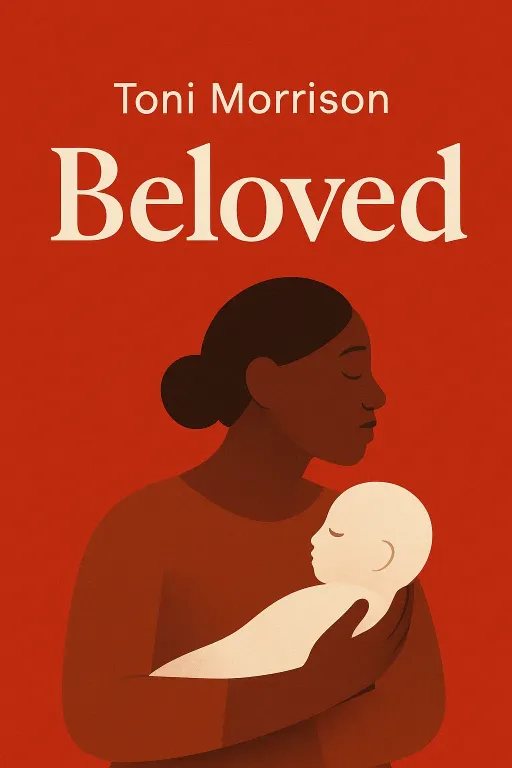
Beloved
Toni Morrison
Toni Morrison's Beloved tells the story of Sethe, a former slave, haunted by the ghost of her baby daughter, known only as Beloved. Set in post-Civil War Ohio, the novel explores the psychological and emotional toll of slavery, the complexities of motherhood, and the enduring power of memory. When Paul D, a fellow former slave from Sweet Home plantation, arrives, he attempts to help Sethe confront her past, but the arrival of a mysterious young woman calling herself Beloved unleashes a torrent of repressed trauma and forces Sethe to grapple with the unspeakable choices she made to protect her children.