

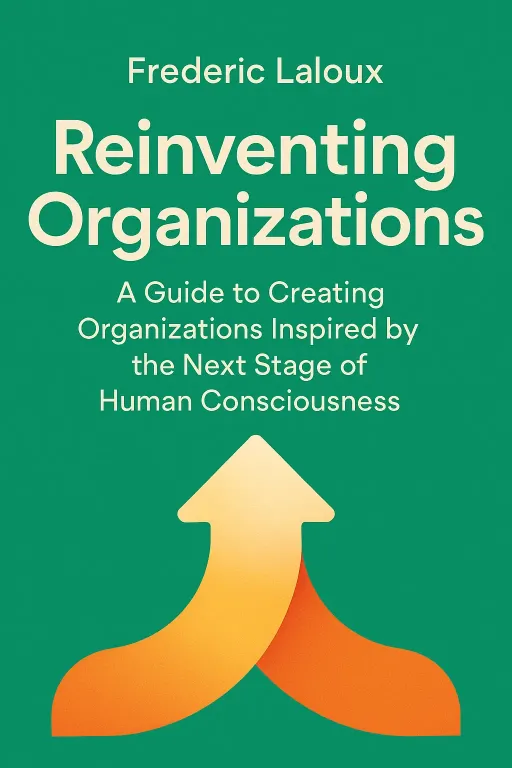
Reinventing Organizations
Frederic Laloux
Explore a groundbreaking approach to organizational structure and leadership. This book delves into the evolution of human consciousness and its impact on how we collaborate, offering a practical guide to creating more soulful, productive, and purposeful workplaces inspired by the next stage of human development.
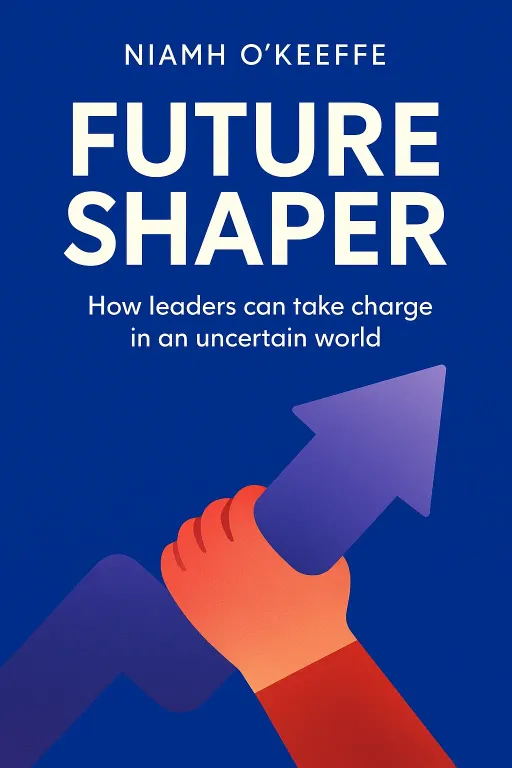
Future Shaper
Niamh O’Keeffe
In a world of constant change and uncertainty, 'Future Shaper' provides a blueprint for leaders to take control, proactively shape the future, and achieve great success. This book offers a new leadership intelligence playbook, helping leaders navigate complexity, empower themselves, and create a positive impact in an increasingly AI-driven world.
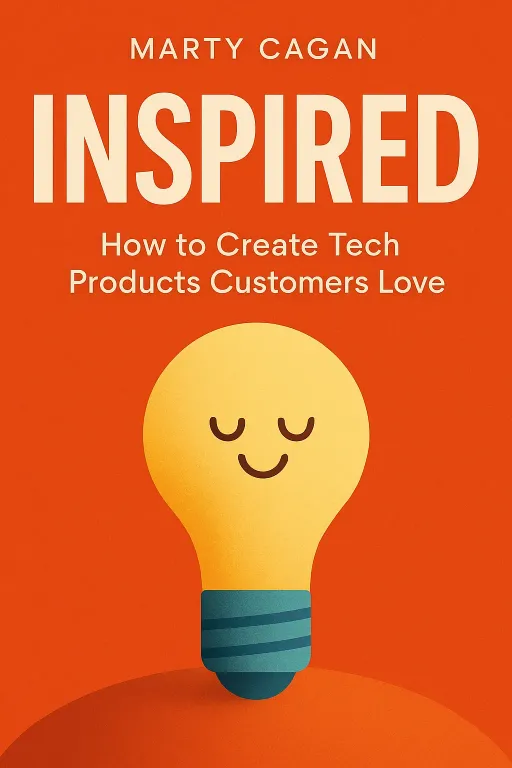
Inspired
Marty Cagan
Discover the product management secrets that drive success! INSPIRED offers actionable insights into building technology products that customers adore. Learn how to create a product culture that fosters innovation, scales effectively, and consistently delivers value. A must-read for product managers, leaders, and anyone passionate about creating exceptional products.
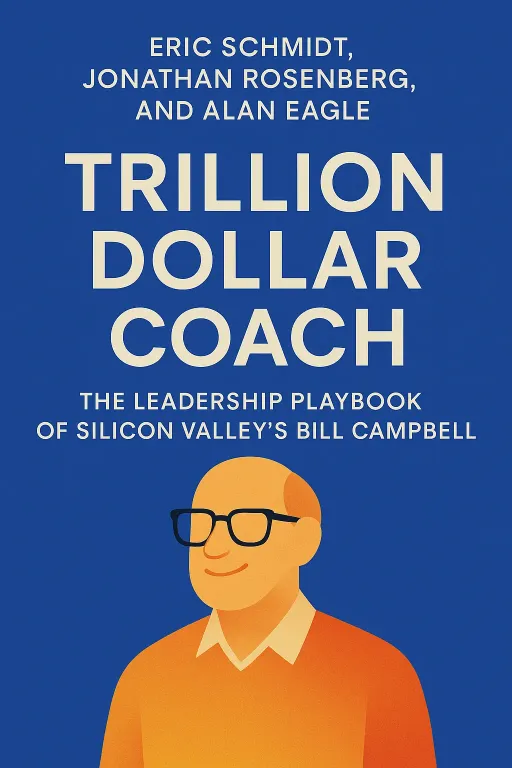
Trillion Dollar Coach
Eric Schmidt
Explore the leadership secrets of Bill Campbell, the executive coach who guided some of Silicon Valley's most successful leaders, including Steve Jobs, Larry Page, and Eric Schmidt. Discover the principles and techniques he used to build high-performing teams, foster trust, and bring out the best in others, and learn how to apply them to your own leadership journey.
Flexible Working
Gemma Dale
Explore how to implement flexible working in the workplace to improve employee and business performance. This book provides a practical guide to creating a more flexible future for your organization, offering evidence, case studies, and tools to rethink how and where we work.
Move Fast & Fix Things
Frances Frei
A practical guide for leaders who want to solve problems quickly and build trust within their organizations. It provides a playbook for identifying real problems, building trust, making new connections, telling compelling stories, and accelerating change.

Misplaced Talent
Joe Ungemah
Misplaced Talent explores how organizations can make better people decisions by focusing on job analysis, talent acquisition, capability assessment, employee development, and change management. It challenges common practices and offers insights for improving the employment relationship and maximizing employee potential.

The First 90 Days
Michael Watkins
The actions you take during your first few months in a new role will largely determine whether you succeed or fail. This book provides a blueprint for dramatically condensing the time it takes you to reach the break-even point, regardless of your level in your organization. Learn how to accelerate your transition, secure early wins, and build supportive coalitions to thrive in your new leadership position.