

Unlearn
Barry O’Reilly
Unlearn is a guide to breaking free from outdated thinking and behaviors that limit success. It provides a system for unlearning what brought you success in the past, relearning new techniques, and achieving breakthroughs in your performance. Discover how to adapt to change, challenge assumptions, and unlock your full potential.

When McKinsey Comes to Town
Walt Bogdanich
An explosive exposé of McKinsey & Company, revealing how the world's most influential consulting firm has helped to destabilize governments, increase inequality, and damage public health in its relentless pursuit of profit.
Who
Geoff Smart
This book asserts that the most crucial decisions in business are not 'what' decisions (strategies, products) but 'who' decisions (hiring the right people). It introduces the 'A Method' for hiring, a practical, four-step process (Scorecard, Source, Select, Sell) designed to help managers, CEOs, and individuals avoid costly hiring mistakes and build high-performing teams of 'A Players.' Through research, interviews with business billionaires, and real-world examples, the authors provide a clear blueprint for identifying, attracting, and retaining top talent to drive organizational success and personal satisfaction.
Who: The A Method for Hiring
Geoff Smart
Unlock the secrets to building a high-performing team with 'Who: The A Method for Hiring.' Discover a proven, step-by-step approach to identifying, selecting, and securing top talent that will transform your organization and drive unprecedented success. Learn how to avoid costly hiring mistakes and create a culture of excellence.
Winners
Alastair Campbell
An exploration of what it takes to win in politics, business, and sports, drawing on interviews with leading figures such as José Mourinho, Anna Wintour, and Floyd Mayweather. This book distills the mindsets and modus operandi of winners, offering lessons that can be applied to any field.
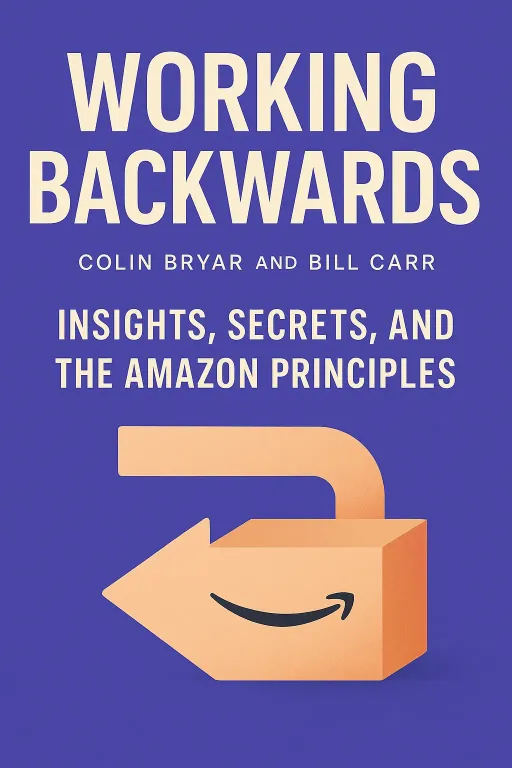
Working Backwards
Colin Bryar
An inside look at Amazon's unique principles and practices that have driven its extraordinary success. Based on the authors' combined 27 years at Amazon, this book reveals the key elements of the 'Amazonian' way of thinking, managing, and working, offering practical advice for building a high-performing organization.
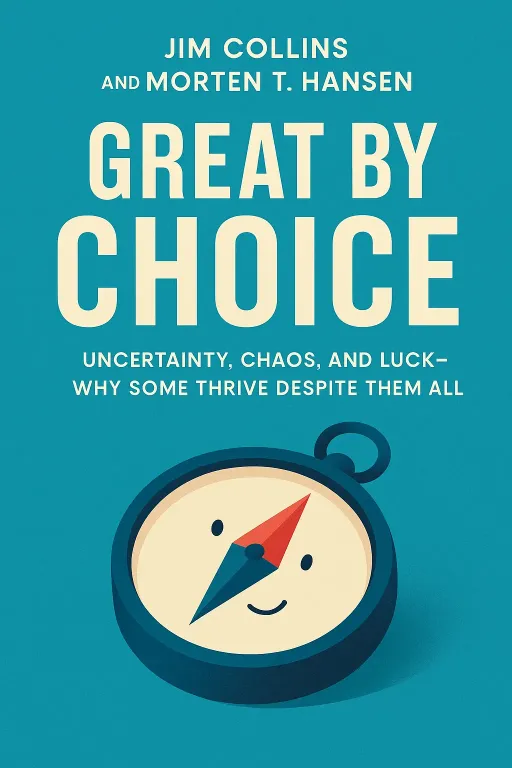
Great by Choice
Jim Collins
Why do some companies thrive in uncertainty, even chaos, and others do not? Great by Choice answers this question by comparing companies that rose to greatness in extreme environments to those that failed, uncovering the distinguishing factors that allow some to thrive in uncertainty.
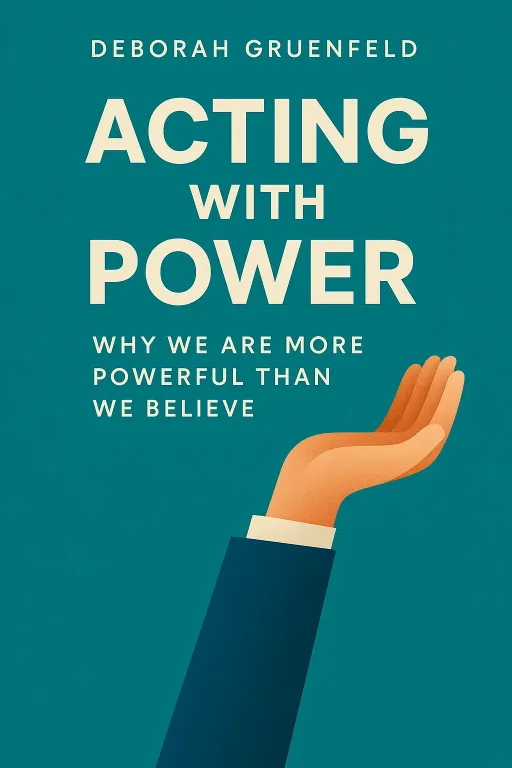
Acting with Power
Deborah Gruenfeld
A groundbreaking approach to power, revealing that true, lasting power comes not from chasing personal stature but from using the power you already have to make a difference in the lives of others. Learn how to navigate power dynamics, overcome insecurities, and use your influence for good, whether you're in a position of leadership or striving to step into a bigger role.