

Relationship & Family
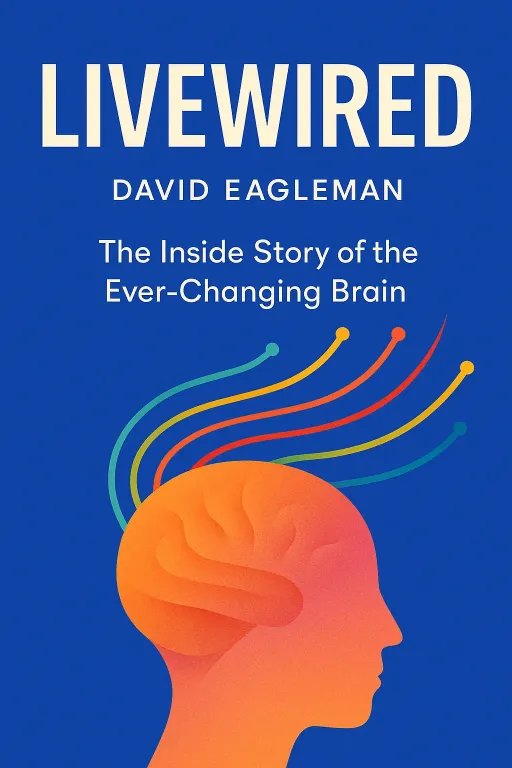
Livewired
David Eagleman
Explore the fascinating world of the human brain and its remarkable ability to adapt and rewire itself in response to experience. Discover how our brains are constantly changing, shaping who we are and influencing our futures. From the story of a child with half a brain to the latest research in neuroplasticity, this book unveils the secrets of our ever-changing minds.
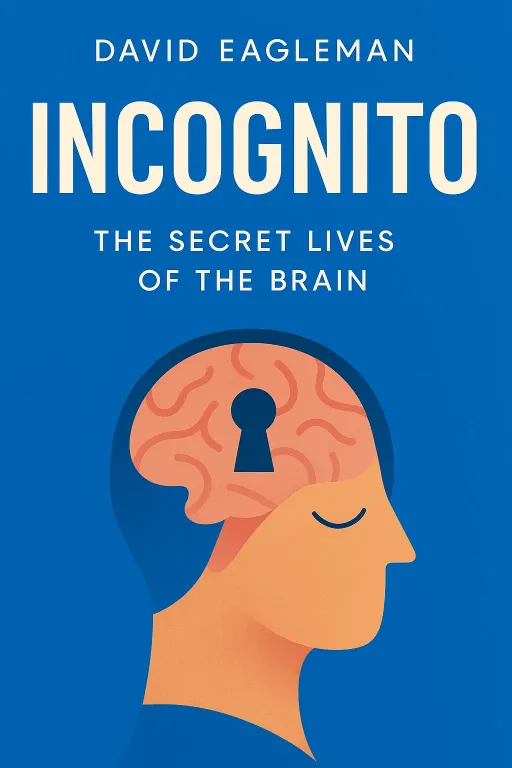
Incognito
David Eagleman
A fascinating exploration into the inner workings of the human brain, revealing the complex neural processes that shape our perceptions, decisions, and sense of self. Journey into the depths of the mind and discover the hidden influences that govern our thoughts and behaviors.
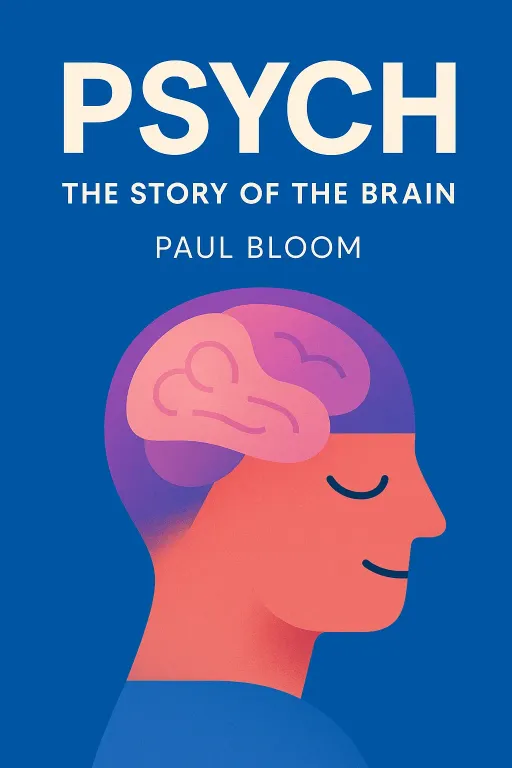
Psych: The Story of the Brain
Paul Bloom
Explore the fascinating world of psychology with a renowned Yale professor. This book delves into the mysteries of the human mind, from the biological basis of thought to the complexities of consciousness, morality, and mental illness. Discover the latest research and theories about what makes us human and how our brains shape our experiences.
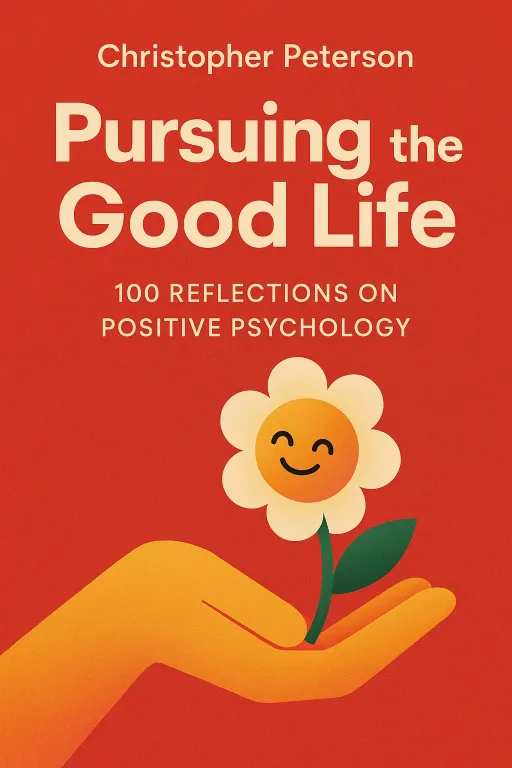
Pursuing the Good Life
Christopher Peterson
A collection of 100 reflections on positive psychology, exploring what makes life worth living. It delves into positive emotions, traits, relationships, and institutions, offering insights into how to pursue a fulfilling psychological life.
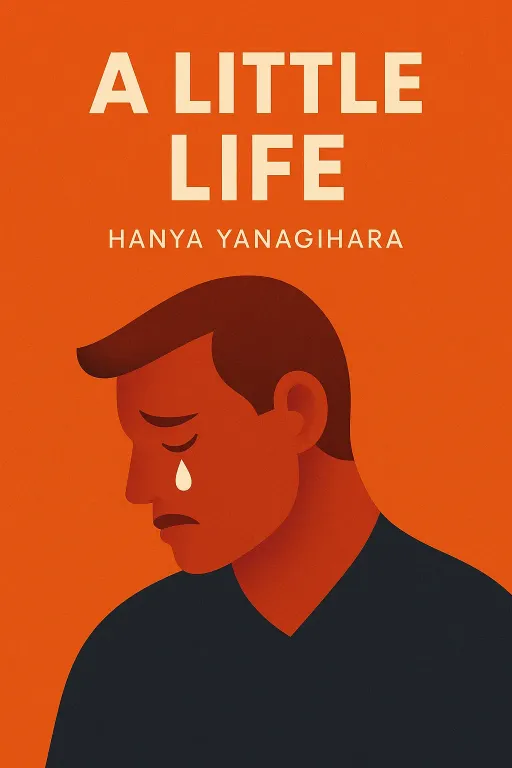
A Little Life
Hanya Yanagihara
A deeply moving and unflinching novel, 'A Little Life' follows the lives of four college friends—Jude, Willem, JB, and Malcolm—as they navigate adulthood in New York City. At its heart is Jude St. Francis, a brilliant but enigmatic lawyer haunted by an unspeakable past of trauma and abuse. As his friends grapple with their own ambitions and relationships, they are drawn into Jude's orbit, struggling to understand and support him through his profound physical and emotional pain. This powerful narrative explores the enduring bonds of friendship, the devastating effects of trauma, and the complex search for identity and belonging.
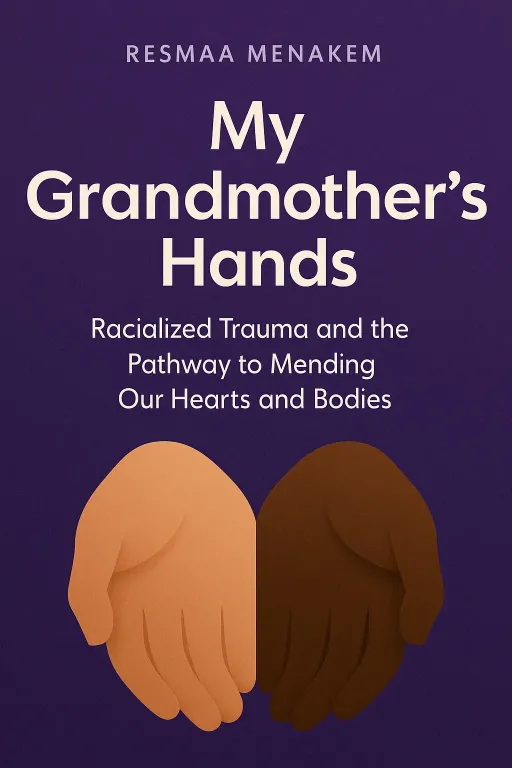
My Grandmother’s Hands
Resmaa Menakem
A groundbreaking self-help book examining white-body supremacy in America from the perspective of trauma and body-centered psychology. It offers a step-by-step healing process based on neuroscience and somatic healing methods to help Americans grow beyond their entrenched racialized divide.
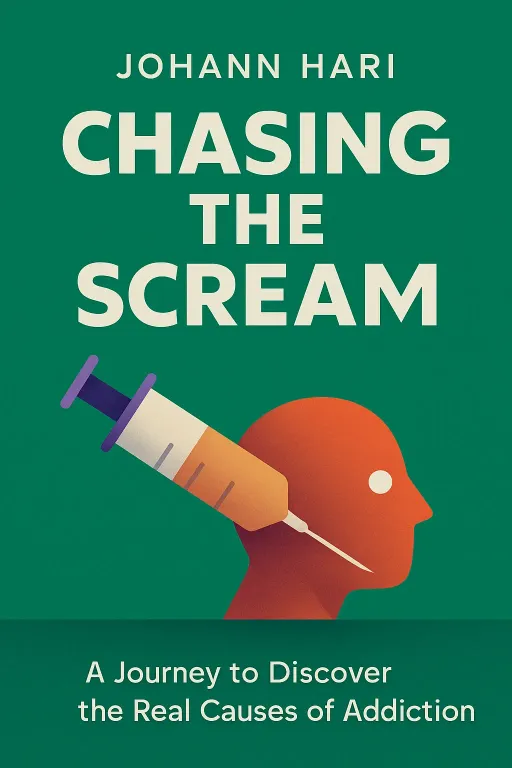
Chasing the Scream
Johann Hari
A journey to discover the real causes of addiction and how to solve it, told through gripping human stories. This book challenges everything we've been told about addiction.
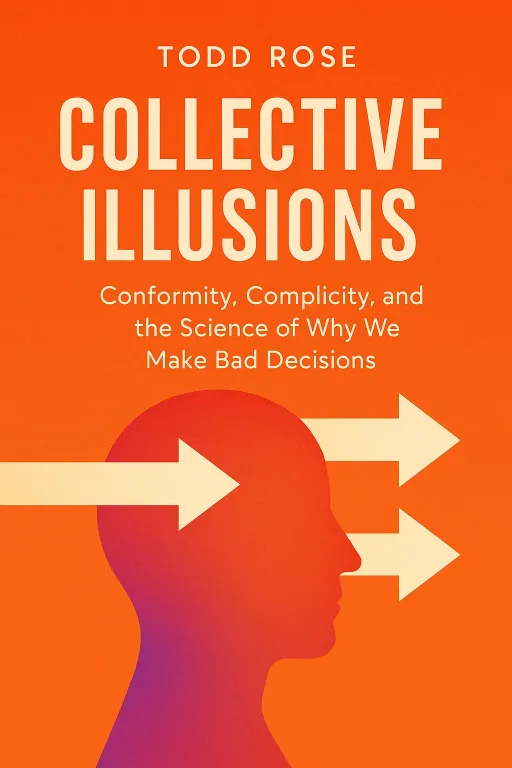
Collective Illusions
Todd Rose
A groundbreaking exploration of collective illusions, social lies that distort our reality and drive us to conform to what we falsely believe everyone else expects, written by Harvard scholar Todd Rose. Discover how these illusions affect everything from personal success to political polarization, and learn how to reclaim your power and live a more authentic life.