

Economics & Money
The Communist Manifesto
Marx
A timeless analysis of capitalism and class struggle, The Communist Manifesto offers a critical perspective on society, economics, and the potential for revolutionary change. Explore the core ideas that have shaped political thought and continue to resonate in today's world.
The Revolt of the Public
Martin Gurri
"The Revolt of the Public: And The Crisis of Authority in the New Millennium" examines the profound impact of the information age on established institutions and the rise of a networked public. It argues that society is undergoing a fundamental shift from hierarchical structures to a more egalitarian, digitally-driven landscape, resulting in a global crisis of authority. Through case studies and analysis, the book explores how the explosion of information and the rise of independent digital channels have empowered ordinary individuals, challenged governmental legitimacy, and fueled widespread distrust in institutions ranging from government and media to science and finance. Readers will gain insight into the dynamics of this turbulent age, understanding how the networked public operates, what motivates its anti-authority stance, and how it differs from traditional notions of "the people" or "the masses." The book dissects the 'failure of government' in modern democracies, attributing it to the gap between utopian promises and realistic capabilities, further exacerbated by the public's access to information and platforms for dissent. It also explores the dangers of nihilism within democratic processes, where constant negation and distrust threaten the stability of the system. Ultimately, "The Revolt of the Public" grapples with the choices facing individuals and governments in this new era. It advocates for honest expectations of government, increased transparency, and open communication as potential pathways to rebuild trust and reconcile personal choices with democratic systems. The book serves as a warning about the fragility of democracy in the face of unchecked negation and distrust, urging a critical discussion on how to navigate the ongoing collision between the networked public and traditional hierarchies.
For a New Liberty
Murray N. Rothbard
A comprehensive exploration of libertarian principles and their application to contemporary issues. Rothbard makes a compelling case for individual liberty, limited government, and free markets, challenging conventional political ideologies and offering a radical vision for a free society.
Abolish Rent
Tracy Rosenthal
Abolish Rent is a powerful call to action, urging readers to challenge the current housing system and reclaim sovereignty over our shared spaces. Through meticulous research and compelling narratives, the authors expose the exploitative nature of rent and offer a roadmap for building a tenant-powered movement capable of winning radical change.

Blueprint for Revolution
Srdja Popović
A guide to nonviolent revolution, drawing on the author's experiences in the Otpor! movement that toppled Slobodan Milošević in Serbia, and offering practical tips and strategies for activists around the world. It uses stories and examples to illustrate how ordinary people can use nonviolent action to oppose oppression and bring about change.
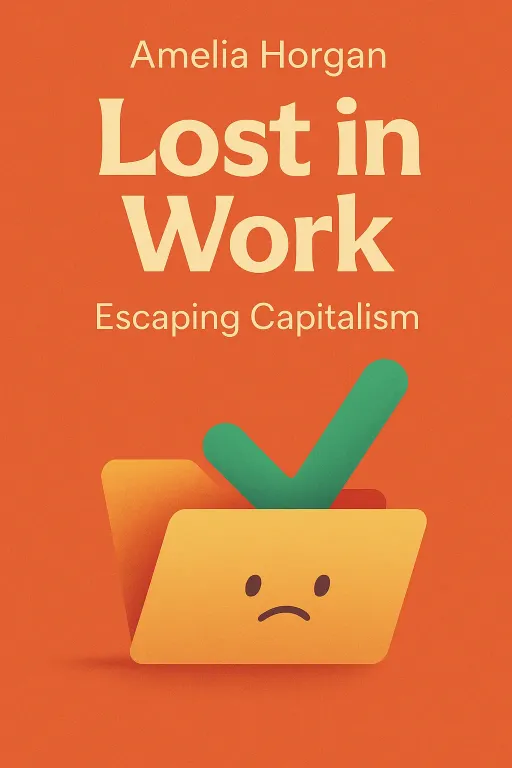
Lost in Work
Amelia Horgan
A searing analysis of the contemporary crisis of work, Lost in Work challenges the tidy narrative of progress around work and calls into question the very foundations of society. It explores how work under capitalism is bad for all of us, even in more secure and better-paid positions, and argues that we cannot get our lives back without radically changing the very foundations of society.
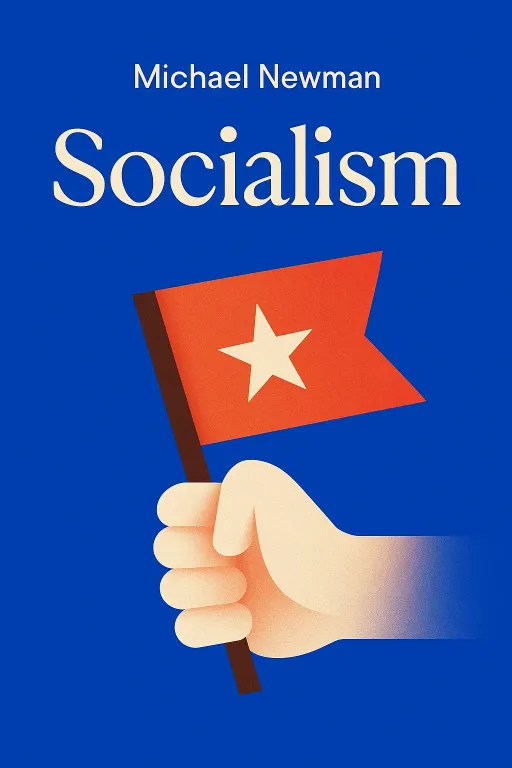
Socialism
Michael Newman
An accessible introduction to socialism, exploring its history, traditions, and contemporary relevance. It examines various forms of socialism, including Cuban communism, Swedish social democracy, and new social movements, while also addressing the challenges and difficulties it faces in the 21st century.
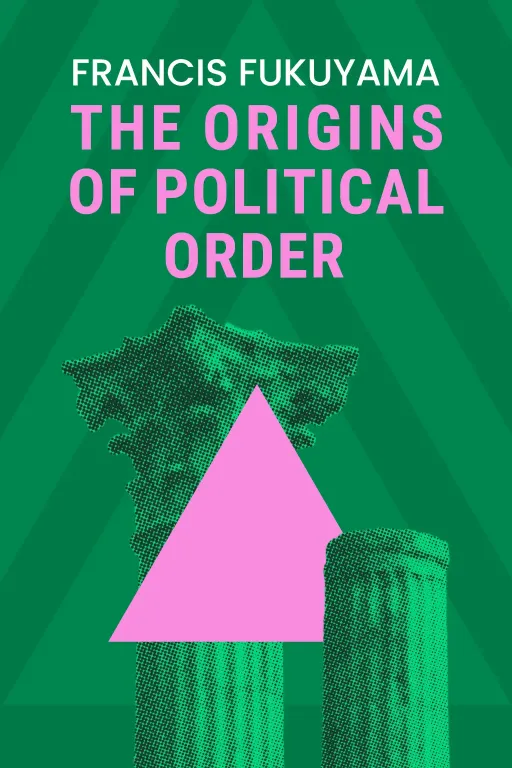
The Origins of Political Order
Francis Fukuyama
An exploration of the historical origins of political institutions, from prehuman times to the eve of the French and American revolutions. This volume delves into the emergence of the state, the rule of law, and accountable government, examining the factors that drive political development and decay across different societies and historical periods.