

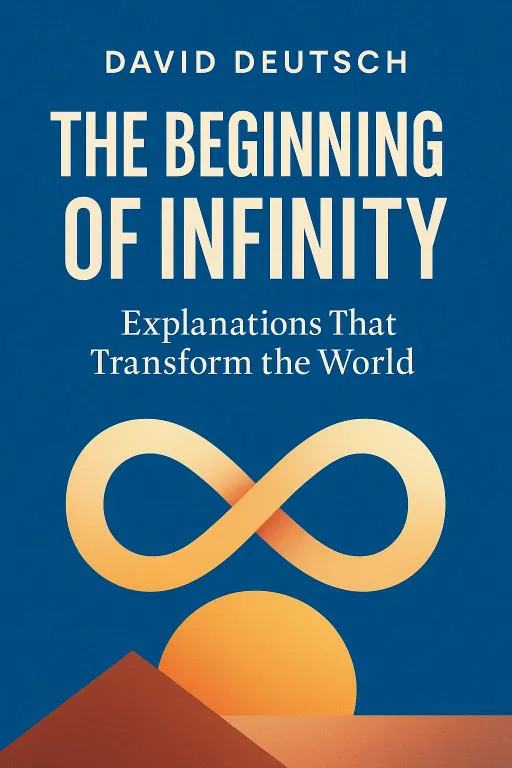
The Beginning of Infinity
David Deutsch
"The Beginning of Infinity" is a mind-expanding defense of human potential written by quantum physicist David Deutsch. While most scientists focus on predicting the future or managing limited resources, Deutsch argues for a radical form of optimism. He asserts that there is no fundamental barrier to progress. If something is not forbidden by the laws of physics, then it is achievable, provided we have the right knowledge. The core of the book is the power of Explanations. Deutsch distinguishes between simple prediction, which even animals can do, and the uniquely human ability to create "good explanations" that explain the unseen reality behind the seen world. Once an explanation is created, it has infinite reach. The same laws of physics that we discovered in a laboratory on Earth apply to the center of a distant star. Deutsch challenges the cynical view that humanity is a plague on the planet or insignificant in the cosmos. Instead, he positions the growth of knowledge as a cosmic force that can transform the universe itself. The book’s mantra is simple yet profound: Problems are inevitable, but problems are soluble. We are not at the end of history, but at the very beginning of an infinite journey of discovery.
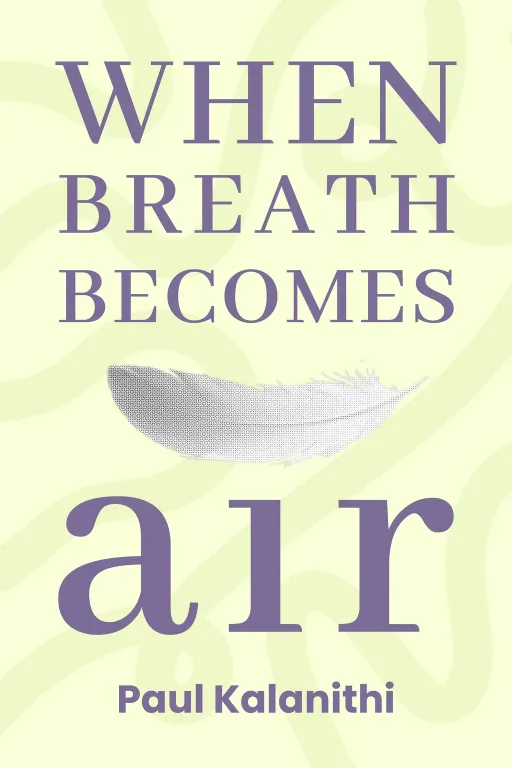
When Breath Becomes Air
Paul Kalanithi
A deeply moving and unforgettable memoir by a young neurosurgeon facing a terminal diagnosis, exploring questions of life, death, and what it means to live a meaningful life in the face of mortality.
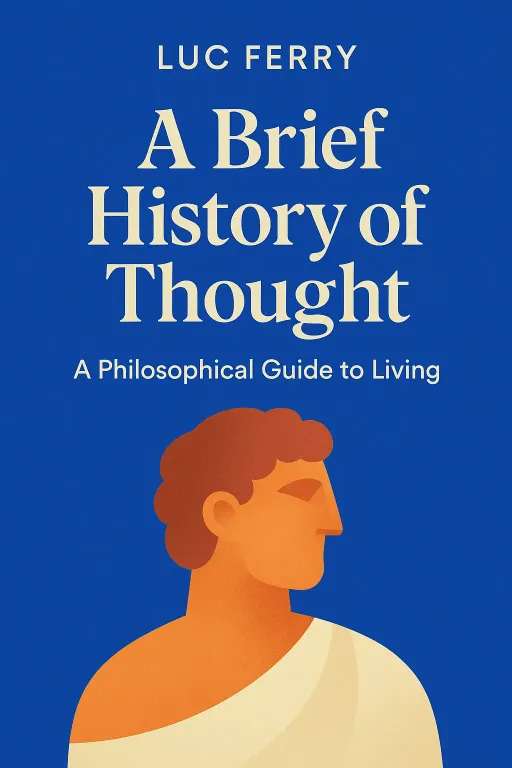
A Brief History of Thought
Luc Ferry
A concise and accessible introduction to the history of philosophy, exploring key thinkers and ideas from ancient Greece to contemporary thought. This book offers a philosophical guide to living, helping readers understand the world and their place in it.
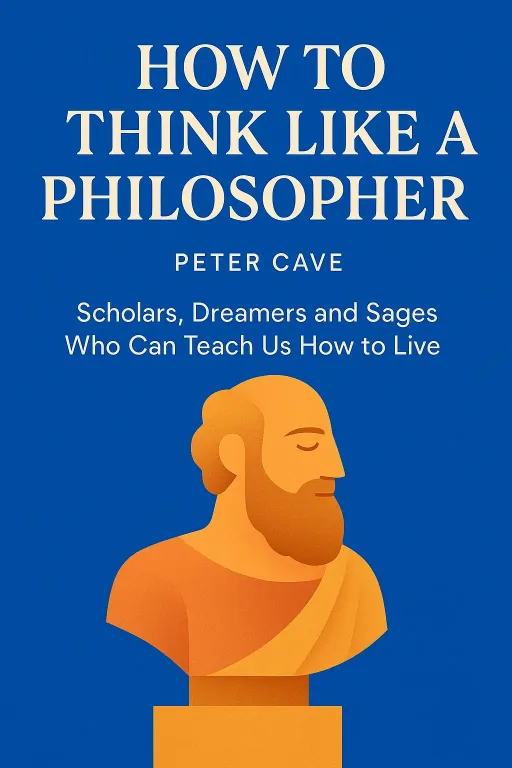
How to Think Like a Philosopher
Peter Cave
Explore the minds of influential philosophers throughout history and discover how their ideas can help us reassess and enrich our own lives. From Lao Tzu to Sappho to Zeno of Elea, this book delves into the thinking of scholars, dreamers, and sages, offering a fresh perspective on how to live a more meaningful human life.
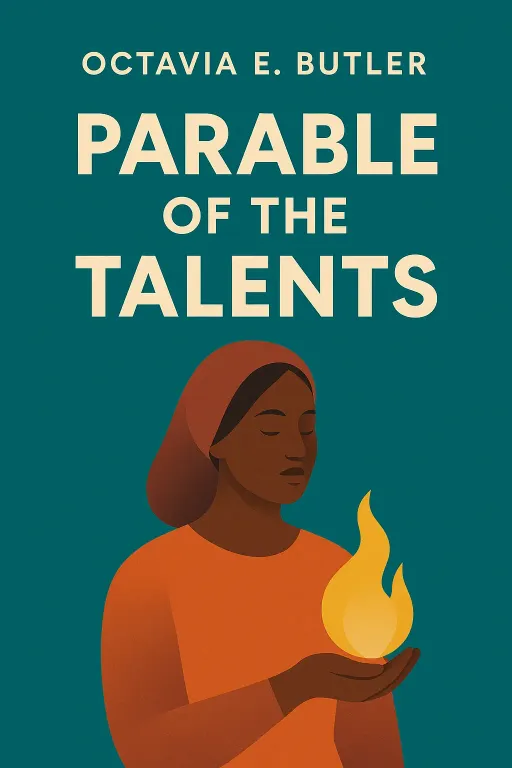
Parable of the Talents
Octavia E. Butler
In a near-future California ravaged by social and environmental collapse, a young woman named Lauren Oya Olamina develops a new faith called Earthseed, which centers on the idea that "God is Change." As society crumbles around her, Lauren must navigate violence, chaos, and the rise of extremist ideologies while striving to build a community based on her beliefs and ultimately, seed humanity among the stars.
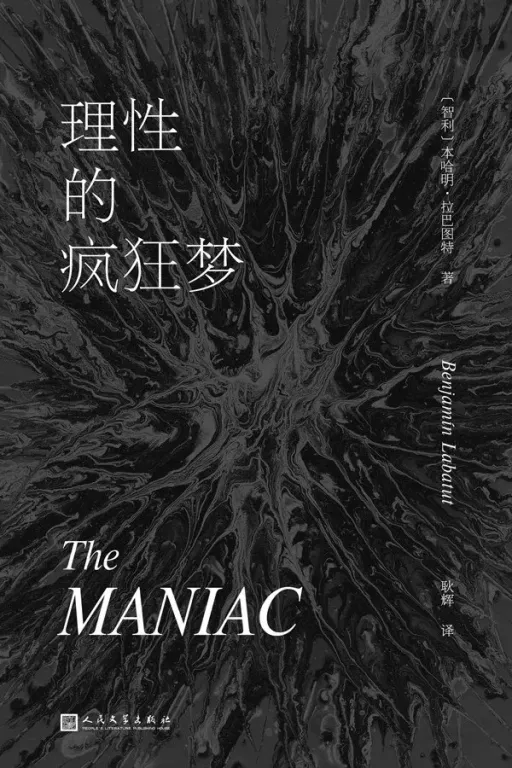
理性的疯狂梦
Benjamín Labatut
《理性的疯狂梦》是一部独特而跨界的文学作品,它模糊了历史、小说和哲学反思之间的界限,讲述了20世纪科技与理性力量的张力与矛盾。作者本哈明·拉巴图特以精湛的叙述技巧,通过多重人物视角再现了几位关键科学人物的生命轨迹及其对世界的深远影响,探讨了理性、疯狂、科学进步与人类未来之间复杂的关系。这部作品既是历史叙述,也是哲学思考,更像一部充满象征与隐喻的“科学人性寓言”。 小说分为三部分,横跨多个时代与科技节点:从1933年在纳粹统治下的一桩悲剧性事件,到1957年数学家与博弈论先驱冯·诺依曼的一生,再到21世纪人工智能时代的标志性事件——围棋高手李世石与AlphaGo的对决。通过这些真实与虚构交织的片段,拉巴图特描绘了科学理性如何带来巨大力量的同时,也带来伦理困境、心理危机与不可预见的后果。 作者借用冯·诺依曼等人物的故事,展示了理性思维在推动技术革命、参与原子弹制造和人工智能起源中的作用及其险峻后果;同时他也关注科学背后的人性、悖论与疯狂,提醒读者反思技术进步的意义以及理性本身可能导致的危机。整部作品充满哲学味道与文学张力,既呈现了科学史中的关键人物和事件,又让人在技术浪潮下重新思考人类的未来与责任。
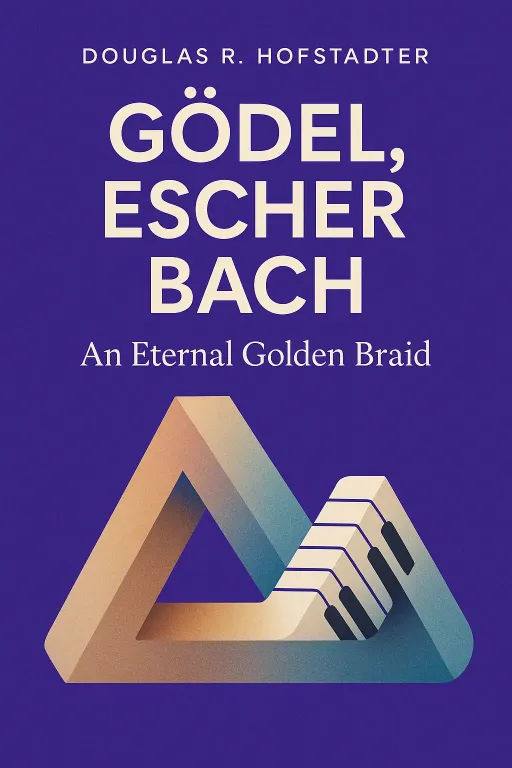
Gödel, Escher, Bach
Douglas R. Hofstadter
"Gödel, Escher, Bach"—often called GEB—is a cult classic in the worlds of computer science and artificial intelligence. Written by Douglas Hofstadter, this 1980 Pulitzer Prize winner is not a dry academic text but a playful and mind-bending intellectual journey. Hofstadter weaves together the work of three distinct masters: the logician Kurt Gödel, the artist M.C. Escher, and the composer J.S. Bach. The central theme of the book is the concept of a "Strange Loop." This occurs when a system moves through various levels only to find itself right back where it started. Hofstadter illustrates this using Escher’s staircases that ascend forever and Bach’s musical canons that loop seamlessly back to their beginning. Hofstadter uses these puzzles to explore a profound mystery: how can lifeless matter create a conscious mind? He argues that your sense of "self" is essentially a complex strange loop arising from the firing of neurons in your brain. Filled with wordplay, puzzles, and witty dialogues between Achilles and the Tortoise, reading this book is a rigorous mental workout that will permanently change how you perceive thinking, meaning, and being human.