

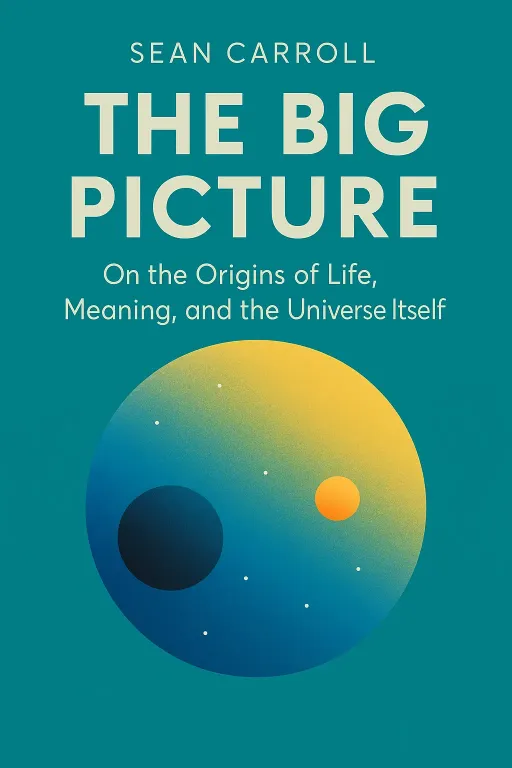
The Big Picture
Sean Carroll
A tour de force that offers a comprehensive snapshot of the human situation in our infinitely strange universe. Blending science and philosophy, Sean Carroll gives us a humane perspective on the universe and our place in it. As gripping as it is important, The Big Picture can change the way you think about the world.
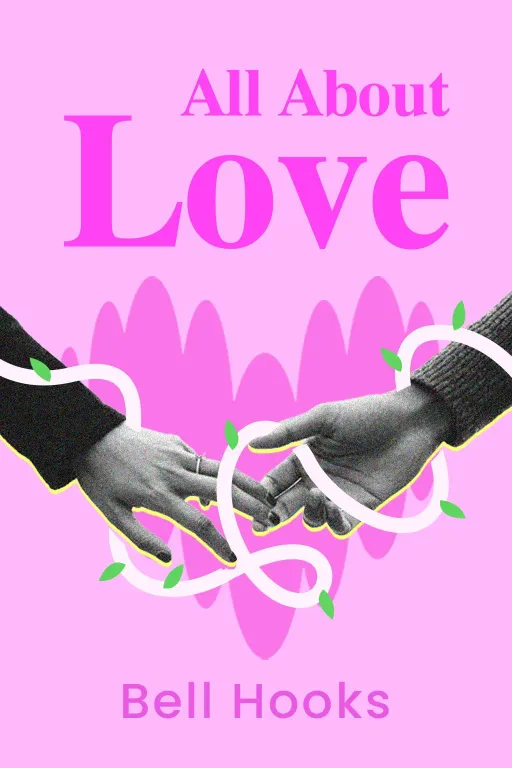
All About Love
bell hooks
In 'All About Love: New Visions,' acclaimed cultural critic bell hooks challenges conventional notions of love, offering a radical and transformative vision for personal and societal change. Drawing on philosophy, psychology, and personal experience, hooks redefines love not as a feeling, but as an action, a commitment, and a practice. She explores how cultural norms, patriarchy, and greed hinder our ability to love authentically and provides a powerful framework for cultivating love in all aspects of life, from intimate relationships to community and spirituality. This book is a profound call to embrace love as the ultimate force for healing and liberation.
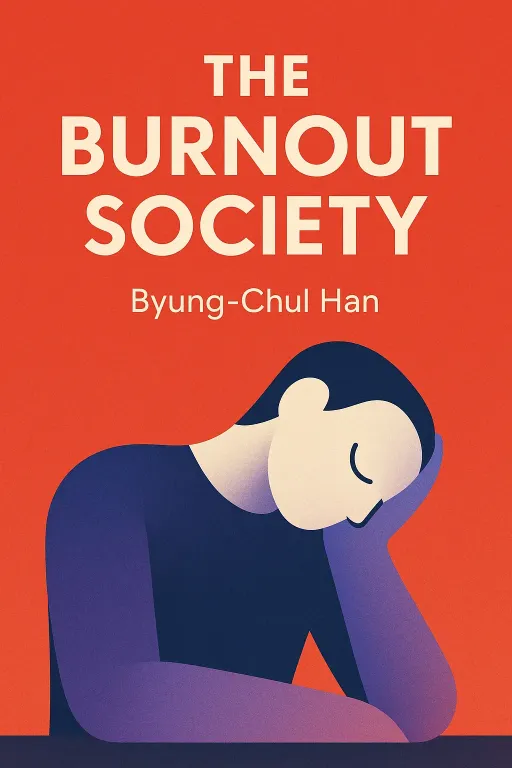
The Burnout Society
Byung-Chul Han
In 'The Burnout Society,' Byung-Chul Han analyzes the societal pressures leading to exhaustion and burnout in the 21st century. He argues that the shift from a disciplinary society to an achievement society has created a culture of self-exploitation, where individuals are both perpetrators and victims. This thought-provoking work explores the violence of positivity and its impact on mental health, offering a critical perspective on contemporary society.
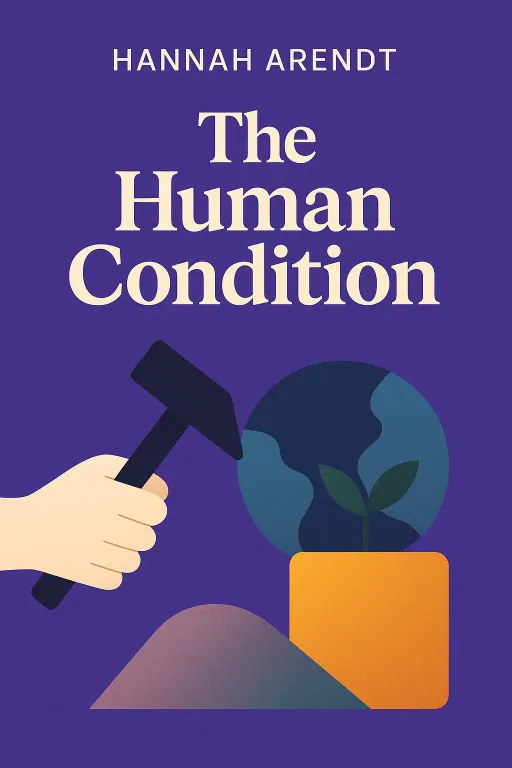
The Human Condition
Hannah Arendt
Arendt's exploration of the fundamental human activities of labor, work, and action, and their corresponding conditions. She delves into the modern age's alienation from the earth and the world, challenging traditional political philosophy and offering a profound reflection on the human condition in the face of unprecedented technological advancements and societal shifts.
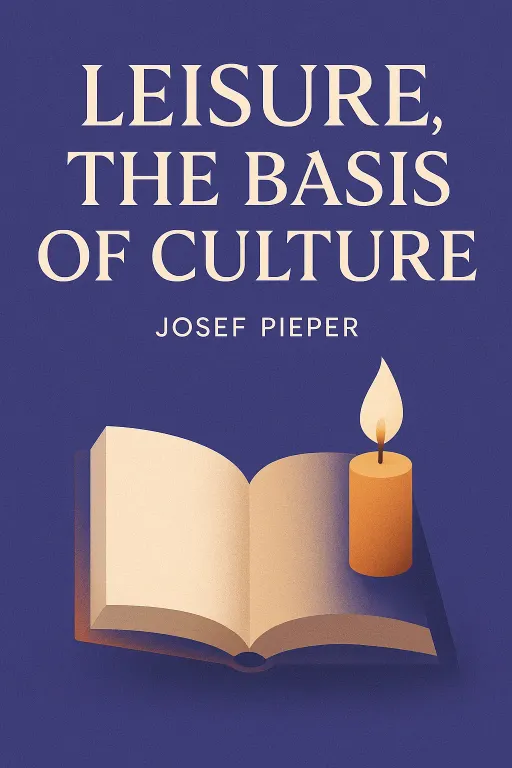
Leisure, the Basis of Culture
Josef Pieper
A profound exploration of the concept of leisure and its fundamental role in culture. Pieper argues that true leisure is not mere idleness but a state of contemplation and receptivity essential for intellectual and spiritual growth, and that it is intrinsically linked to worship and the divine. This book challenges the modern obsession with work and productivity, inviting readers to rediscover the value of stillness and reflection.
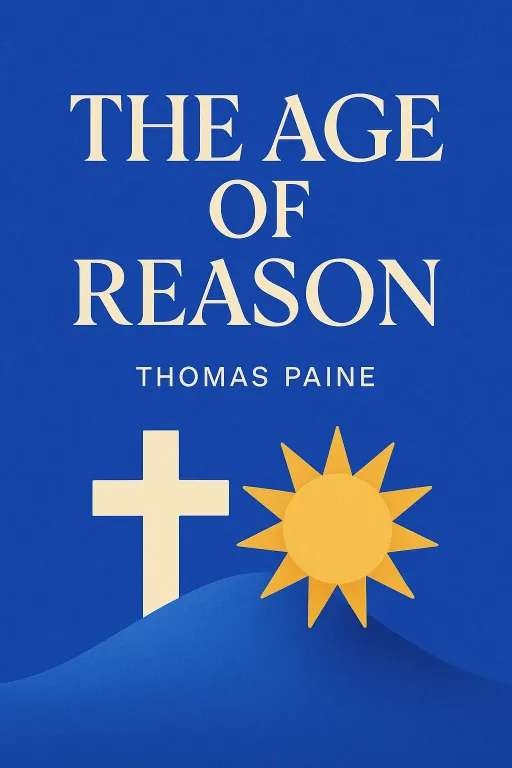
The Age of Reason
Thomas Paine
A thought-provoking exploration of religion and reason by Thomas Paine. This book challenges traditional religious beliefs and advocates for a more rational approach to understanding the divine. Prepare to question everything you thought you knew.
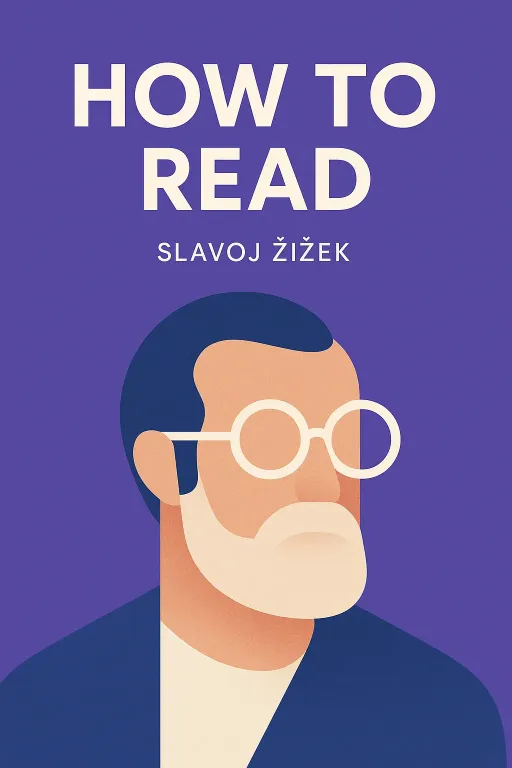
How to Read Lacan
Slavoj Žižek
A guide to understanding the complex ideas of Jacques Lacan, one of the most influential psychoanalysts and thinkers of the 20th century. Through a close reading of Lacan's texts and their application to various aspects of culture, art, and ideology, this book offers a unique and accessible entry point into Lacanian thought.
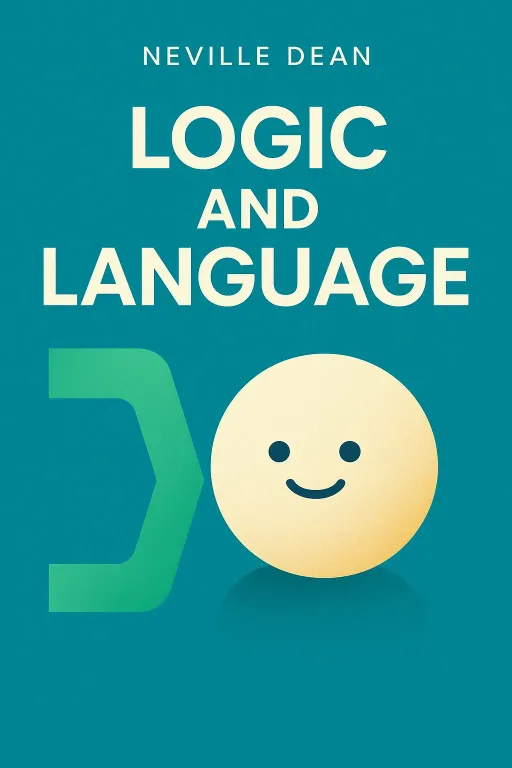
Logic and Language
Neville Dean
Explore the principles of symbolic logic and its relationship to language. This book develops skills in reasoning and abstract formalism, with applications in computer science, philosophy, and mathematics. It covers natural deduction, truth semantics, and automated reasoning.