

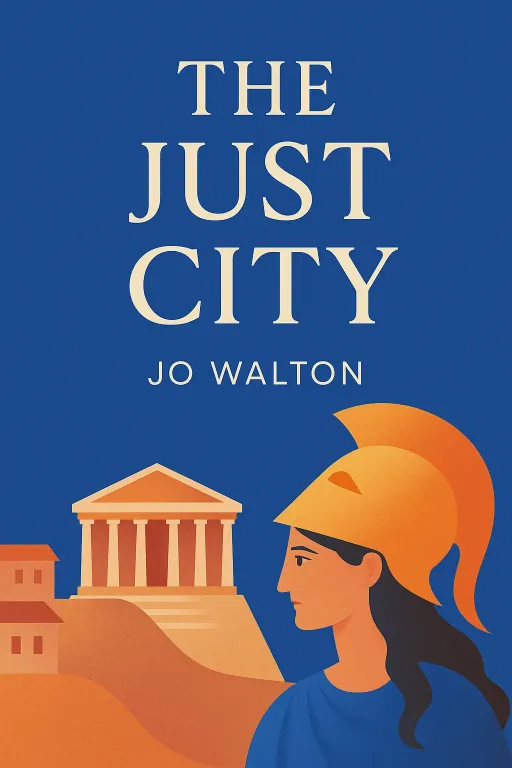
The Just City
Jo Walton
The goddess Athene, driven by a desire to test Plato's theories, gathers philosophers and ordinary people from across history to an island before the Trojan War. Her ambitious project: to build the 'Just City' as described in Plato's Republic. Through the eyes of a Victorian woman, Ethel (renamed Maia), and a young slave girl, Simmea, readers witness the intricate challenges of creating a utopian society. As the city grows, its inhabitants, including a resurrected Socrates, grapple with fundamental questions of justice, free will, human nature, and the role of technology, all while navigating personal relationships and the complexities of their divine patrons. This thought-provoking novel explores whether an ideal society can truly exist, and at what cost.
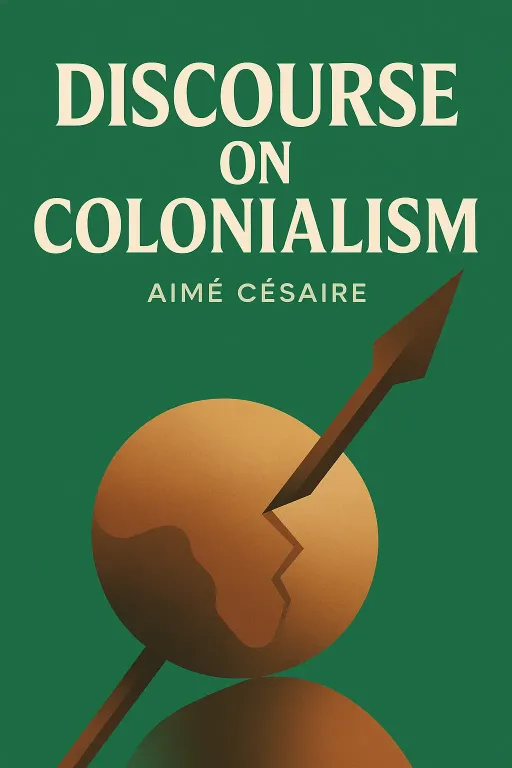
Discourse on Colonialism
Aimé Césaire
Aimé Césaire's seminal work delivers a powerful and unsparing critique of European colonialism, exposing its inherent barbarism, hypocrisy, and the devastating psychological and cultural impact it had on both the colonized and the colonizers. Through incisive analysis, Césaire argues that colonialism is not a civilizing mission but a process of 'thing-ification' that ultimately leads to the moral decay of Europe itself. This foundational text of postcolonial thought challenges conventional notions of progress and civilization, advocating for a radical re-evaluation of history and the creation of a new, truly human society. The book also includes an interview with Césaire discussing the origins and meaning of Negritude.
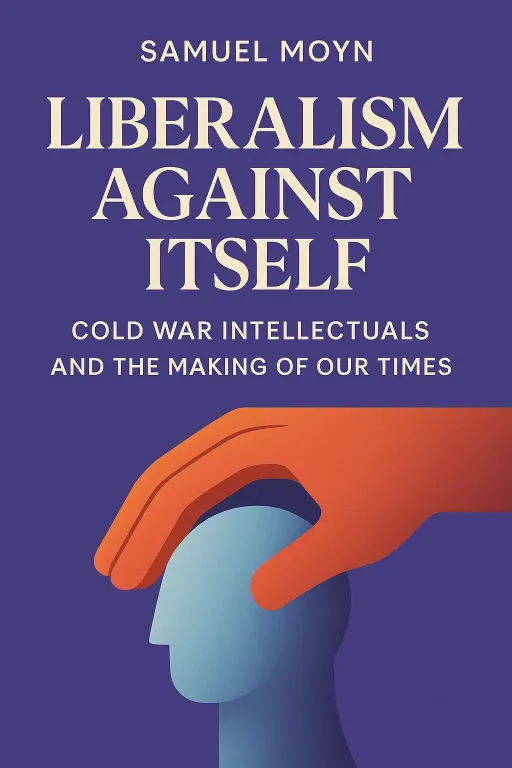
Liberalism Against Itself
Samuel Moyn
Samuel Moyn's 'Liberalism Against Itself' offers a provocative critique of Cold War liberalism, arguing that it fundamentally betrayed the emancipatory and progressive ideals of earlier liberal thought. Through an examination of key intellectuals like Judith Shklar, Isaiah Berlin, and Karl Popper, Moyn reveals how this Cold War iteration, born from a fear of totalitarianism, inadvertently laid the groundwork for later movements like neoliberalism and neoconservatism, leading to catastrophic consequences for liberalism itself. This book challenges readers to re-evaluate the origins and legacy of modern liberalism and consider alternative paths for its future.

The Midnight Library
Matt Haig
Nora Seed's life is full of misery and regret. But when she finds herself in the mysterious Midnight Library, she's given a unique chance to undo her past choices and live out all the lives she could have had. Each book in the library offers a different reality, allowing Nora to explore paths she never took. As she navigates these alternate existences, she must confront the ultimate question: What is the best way to live?
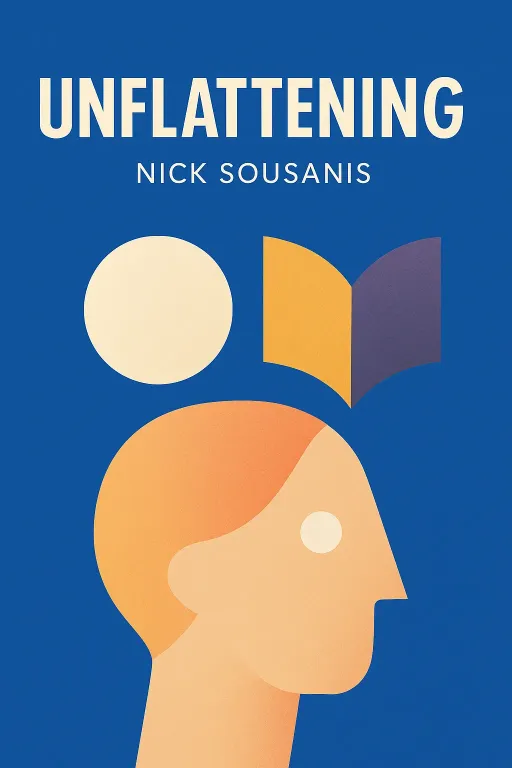
Unflattening
Nick Sousanis
Challenging conventional scholarly discourse, 'Unflattening' is a groundbreaking work presented entirely as a graphic novel that explores the profound connection between words and images in constructing knowledge. Nick Sousanis invites readers on an intellectual journey to break free from 'flatness' – a narrow, rigid way of thinking – by embracing visual thinking and diverse perspectives drawn from science, philosophy, art, and mythology. This book will transform how you perceive, learn, and understand the world around you.
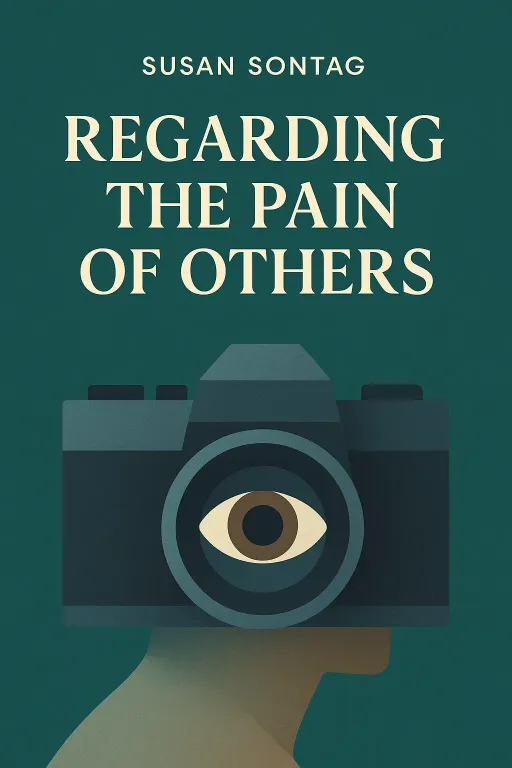
Regarding The Pain Of Others
Susan Sontag
Susan Sontag's incisive essay explores the complex ethics and impact of war photography, examining how images of suffering shape our understanding, empathy, and political responses. Delving into the history of visual media and its role in depicting conflict, Sontag challenges readers to confront the moral implications of being a spectator to others' pain, questioning the nature of truth, representation, and collective memory in a world saturated with images.
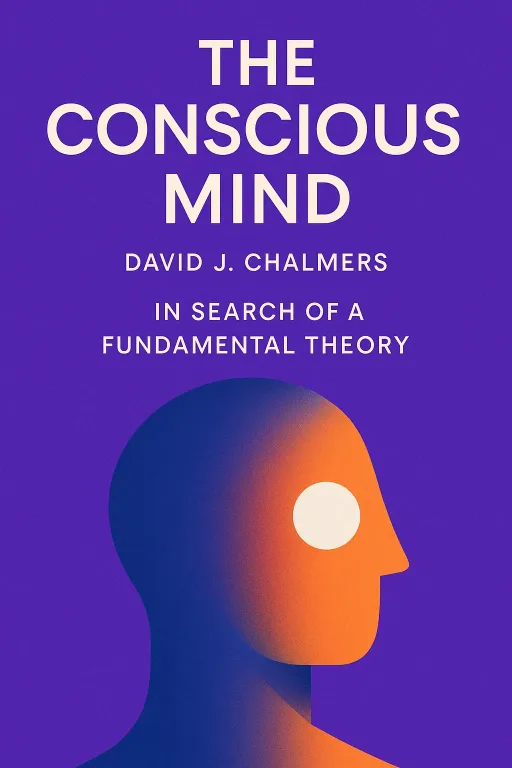
The Conscious Mind
David J. Chalmers
A deep dive into the mysteries of consciousness. Chalmers explores the hard problem of consciousness, questioning how subjective experience arises from physical systems and proposing a framework for understanding its place in the natural order. A thought-provoking exploration at the intersection of philosophy and science.
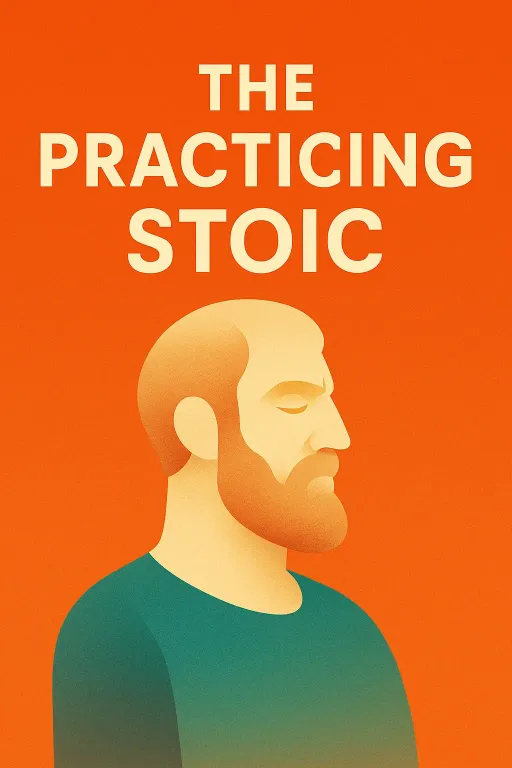
The Practicing Stoic
Ward Farnsworth
Unlock the timeless wisdom of Stoicism with this practical guide, drawing directly from the writings of Seneca, Epictetus, and Marcus Aurelius. Far from a grim philosophy, this book reveals Stoicism as a powerful 'user's manual' for navigating modern life, offering profound insights into human nature, emotion, and judgment. Discover how ancient principles can help you cultivate resilience, manage irrationalities, and find tranquility, making the pursuit of virtue a path to a more meaningful and fulfilling existence.