

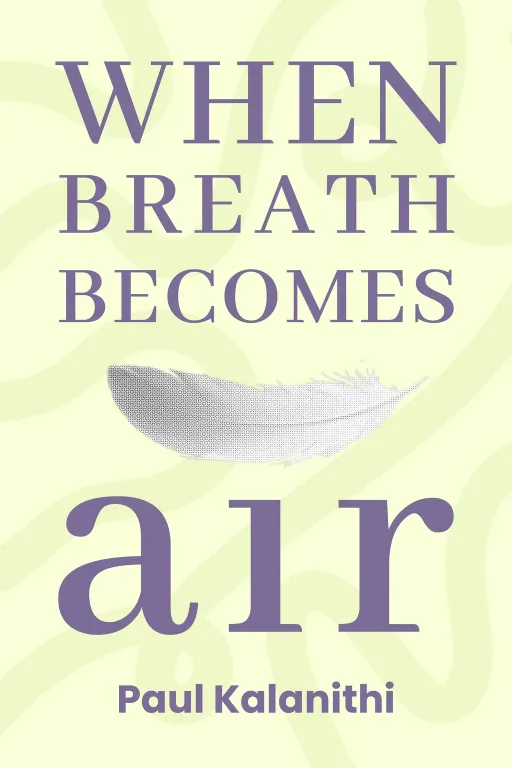
When Breath Becomes Air
Paul Kalanithi
A deeply moving and unforgettable memoir by a young neurosurgeon facing a terminal diagnosis, exploring questions of life, death, and what it means to live a meaningful life in the face of mortality.
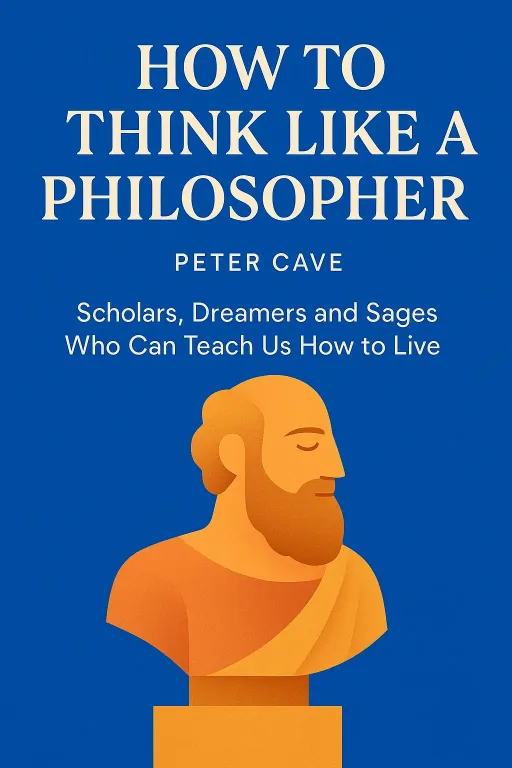
How to Think Like a Philosopher
Peter Cave
Explore the minds of influential philosophers throughout history and discover how their ideas can help us reassess and enrich our own lives. From Lao Tzu to Sappho to Zeno of Elea, this book delves into the thinking of scholars, dreamers, and sages, offering a fresh perspective on how to live a more meaningful human life.
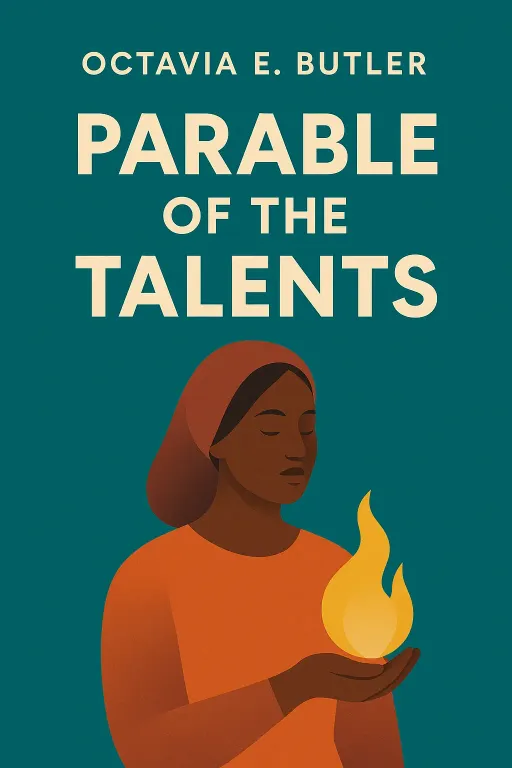
Parable of the Talents
Octavia E. Butler
In a near-future California ravaged by social and environmental collapse, a young woman named Lauren Oya Olamina develops a new faith called Earthseed, which centers on the idea that "God is Change." As society crumbles around her, Lauren must navigate violence, chaos, and the rise of extremist ideologies while striving to build a community based on her beliefs and ultimately, seed humanity among the stars.
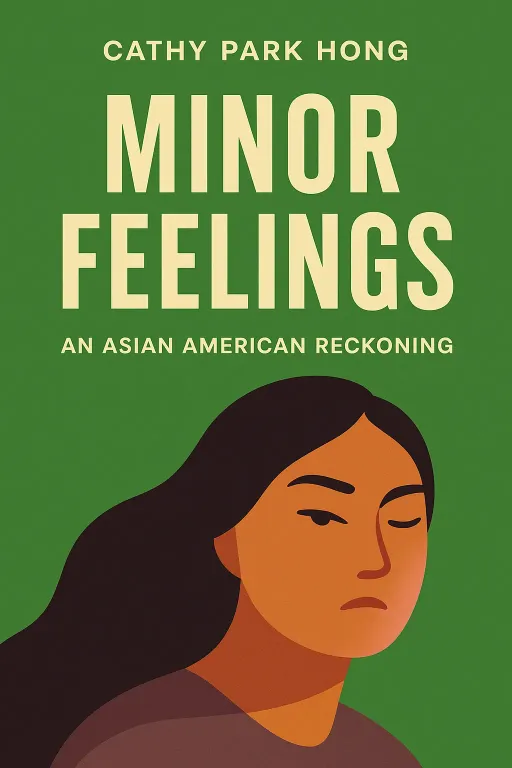
Minor Feelings
Cathy Park Hong
In this groundbreaking collection of essays, poet and essayist Cathy Park Hong fearlessly blends memoir, cultural criticism, and history to expose the fresh truths of racialized consciousness in America. Through her theory of 'minor feelings'—the shame, suspicion, and melancholy experienced by Asian Americans when American optimism contradicts their reality—Hong delves into vital questions of identity, individuality, family, friendship, art, and politics. This vulnerable, humorous, and provocative work offers a radically honest portrait of one Asian American psyche and a writer's search to uncover and speak the truth.
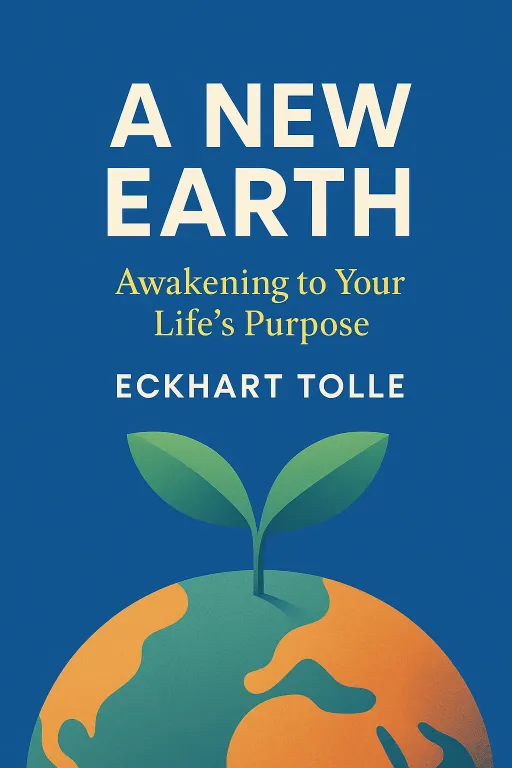
A New Earth
Eckhart Tolle
Eckhart Tolle's 'A New Earth' is a profound exploration of the ego and its impact on human consciousness. It serves as a guide to transcending ego-driven thinking and awakening to a new state of consciousness, offering a path to inner peace and a more fulfilling life. Discover how to break free from the limitations of the mind and embrace the joy of being.
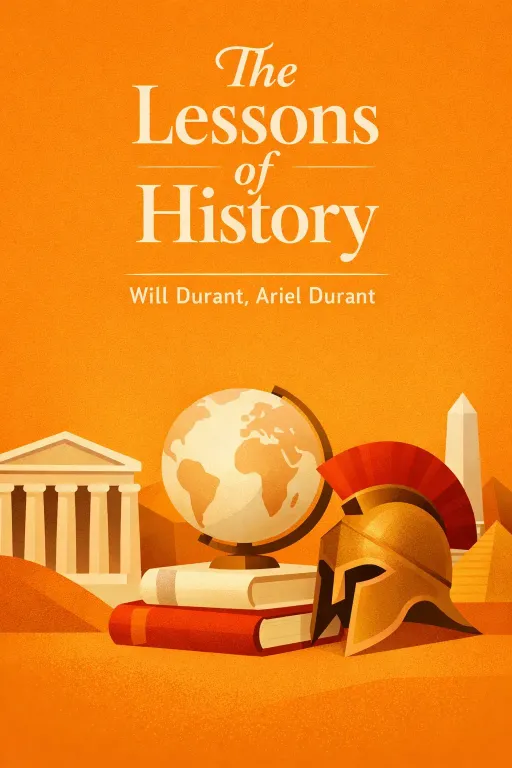
The Lessons of History
Will
A concise survey of the culture and civilization of mankind, The Lessons of History is the result of a lifetime of research from Pulitzer Prize–winning historians Will and Ariel Durant. With their accessible compendium of philosophy and social progress, the Durants take readers on a journey through history, exploring the possibilities and limitations of humanity over time and juxtaposing great lives and ideas with the recurring cycles of war, conquest, and decline. Condensing millennia into a compact and engaging overview, the Durants illuminate the major themes and forces—geography, biology, race, character, morals, religion, economics, government, war, and progress—that have shaped civilizations, and offer their distilled judgments about what the past can teach us about the present and future.
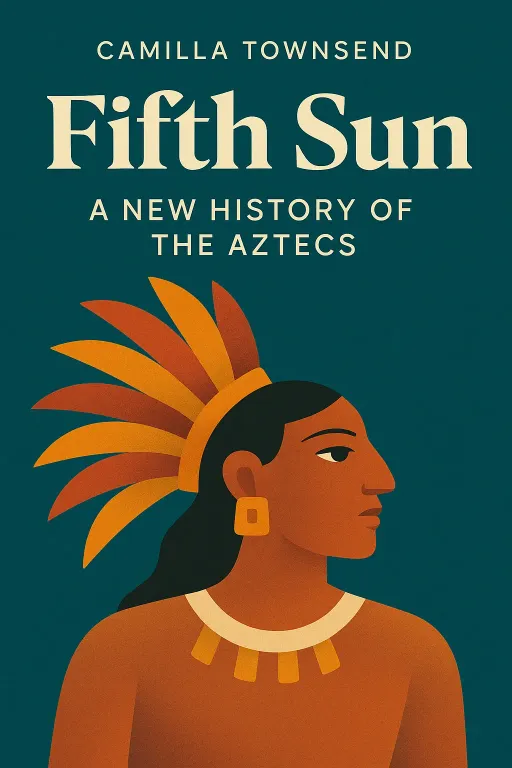
Fifth Sun
Camilla Townsend
A compelling new history of the Aztecs, told through their own voices. Drawing on rarely-consulted indigenous accounts, Camilla Townsend paints a vivid portrait of the Nahua people, from their mythical origins to their complex society and their struggle for survival after the Spanish conquest. Discover the real Aztecs, far more nuanced and resilient than the bloodthirsty stereotypes.
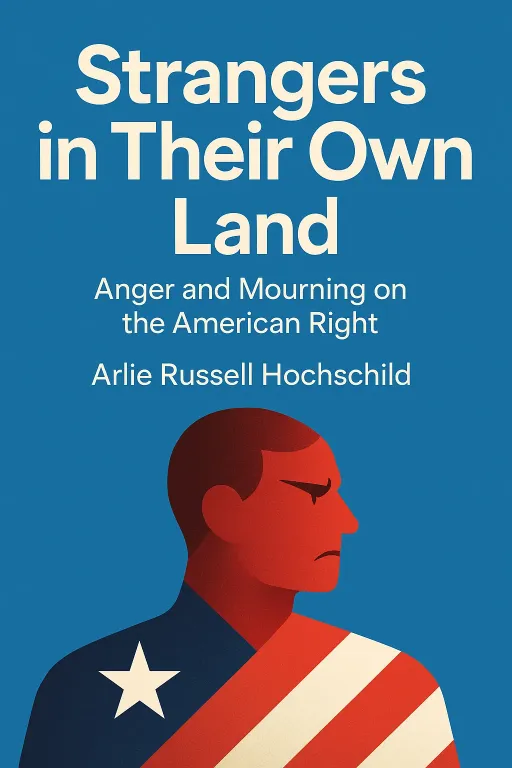
Strangers in Their Own Land
Arlie Russell Hochschild
An exploration into the lives and perspectives of the American right, seeking to understand the emotional roots of their political beliefs. Journey with the author as she crosses the empathy wall to discover the "deep story" that shapes their world view.