


Siddhartha
Hermann Hesse
"Siddhartha: An Indian Tale" is a philosophical bildungsroman that follows the spiritual journey of Siddhartha, a young Brahman, as he seeks enlightenment and self-discovery in ancient India. Dissatisfied with the traditional teachings of his upbringing, Siddhartha embarks on a quest that leads him through various paths, including asceticism with the Samanas, encounters with the teachings of Gotama Buddha, and immersion in the world of material pleasures and love. Readers will witness Siddhartha's evolution as he grapples with the limitations of intellectual knowledge and the necessity of personal experience. His journey takes him from a life of spiritual discipline to one of worldly indulgence, and ultimately to a profound understanding of the interconnectedness of all things. Through his relationships with figures like Govinda, Kamala, and the merchant Kamaswami, Siddhartha learns valuable lessons about love, loss, and the elusive nature of true wisdom. Hesse's novel offers a compelling exploration of Eastern philosophy and the search for meaning in a world of illusion. It invites readers to contemplate the nature of self, the allure of worldly pleasures, and the transformative power of embracing one's own unique path to enlightenment.
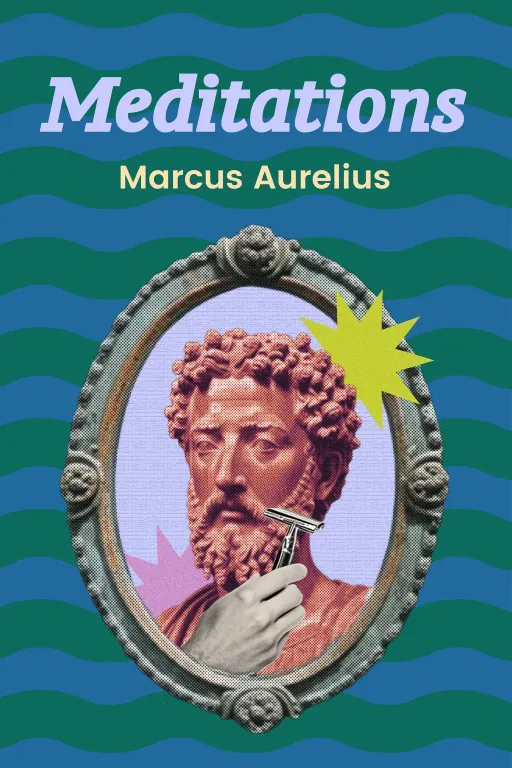
Meditations
Marcus Aurelius
"Meditations" is a unique masterpiece of philosophy, unique because it was never intended to be a book. It is the private journal of Marcus Aurelius, the Roman Emperor who ruled from 161 to 180 AD. Written largely while on military campaigns, these notes were the Emperor's method for keeping himself sane, humble, and disciplined amidst the chaos of war and plague. It serves as the definitive text on Stoic philosophy in practice. Marcus repeatedly reminds himself of the central Stoic dogma: the Dichotomy of Control. He argues that we have no control over external events—the weather, the opinions of others, or death itself—but we have absolute control over our own minds and how we choose to interpret those events. The book is a manual for building an "Inner Citadel"—a fortress of the mind that no external misfortune can breach. Filled with short, powerful aphorisms, Meditations teaches that the quality of your life is determined by the quality of your thoughts. It remains a timeless guide for anyone seeking to cultivate resilience, emotional stability, and moral strength in a turbulent world.
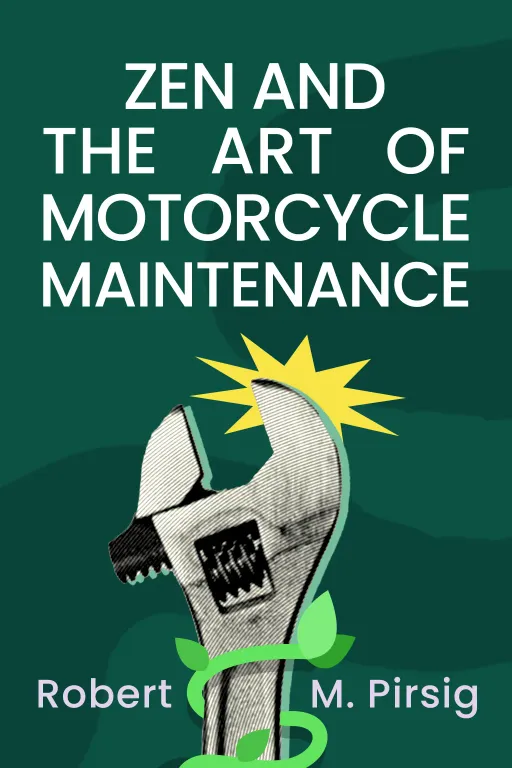
Zen and the Art of Motorcycle Maintenance
Robert M. Pirsig
"Zen and the Art of Motorcycle Maintenance" is a modern philosophical classic that defies easy categorization. Written by Robert Pirsig, the book is framed as a fictionalized autobiography recounting a summer motorcycle trip across the American Northwest taken by the narrator and his young son, Chris. The physical journey serves as a backdrop for a series of philosophical talks, which Pirsig calls "Chautauquas." In these reflections, the narrator explores a fundamental rift in modern life: the conflict between the Romantic view of the world—which appreciates beauty and surface aesthetics—and the Classical view, which seeks to understand the underlying mechanics and form. Pirsig uses the motorcycle as the central metaphor. To a romantic, a broken motorcycle is a frustrating mystery; to a classicist, it is a rational puzzle waiting to be solved. The narrator attempts to reconcile these two worldviews through his theory of "Quality," a concept that transcends both mind and matter. The book is also a psychological thriller, as the narrator is slowly revealed to be haunted by Phaedrus, his former brilliant but unstable self who was driven insane by his obsessive pursuit of this very truth.
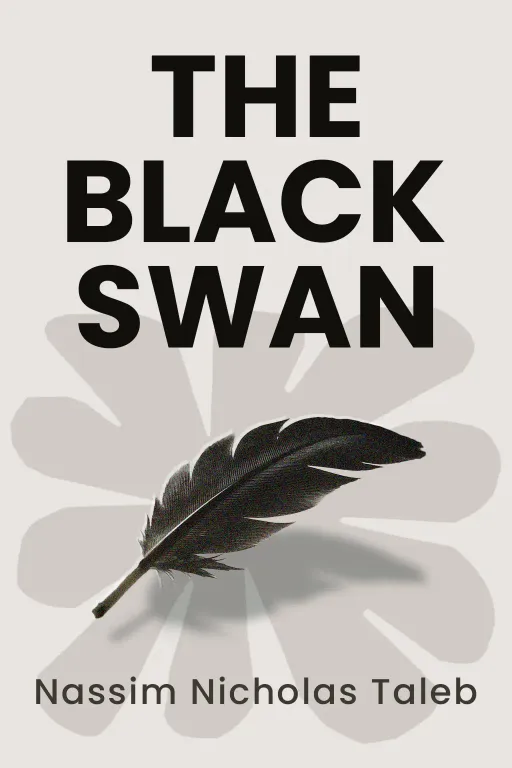
The Black Swan
Nassim Nicholas Taleb
"The Black Swan" is a ferocious attack on our understanding of the world, written by former options trader and risk analyst Nassim Nicholas Taleb. Taleb argues that history is not driven by predictable trends, but by rare, high-impact events that are impossible to predict. He calls these events "Black Swans." A Black Swan has three characteristics: it is an outlier that lies outside the realm of regular expectations, it carries an extreme impact, and human nature causes us to concoct explanations for its occurrence after the fact. This retrospective explanation makes the event seem explainable and predictable when it was not. Taleb mocks the experts and economists who use standard bell-curve statistics to model the world. He argues that while the bell curve applies to physical traits like height in the safe world of Mediocristan, it is useless for social and financial matters in the volatile world of Extremistan. In this latter world, a single observation can render thousands of days of data irrelevant. Taleb illustrates this with the parable of the Turkey. For 1,000 days, the turkey is fed by the farmer, and every day its statistical confidence grows that the farmer loves it. On day 1,001, the day of Thanksgiving, something unpredictable happens that changes everything. The book is a plea to stop trying to predict the specific future and instead build robustness against negative Black Swans while positioning ourselves to benefit from positive ones.

A Guide to Gender
Sam Killermann
A comprehensive guide to understanding gender, gender diversity, and social justice. This book explores gender norms, identity, expression, and the cycle of oppression, providing readers with the knowledge and tools to promote gender equity and inclusivity.

A Psalm for the Wild-Built
Becky Chambers
In a world where robots gained sentience centuries ago and retreated into the wilderness, Sibling Dex, a tea monk, feels an inexplicable yearning for something more than their comfortable, bustling city life. Driven by a desire to hear the elusive cricket song, Dex embarks on a journey into the wild, seeking purpose and connection. Their quest takes an unexpected turn when they encounter a robot, marking the first human-robot interaction in centuries, forcing both to confront profound questions about existence, purpose, and what it means to be alive.
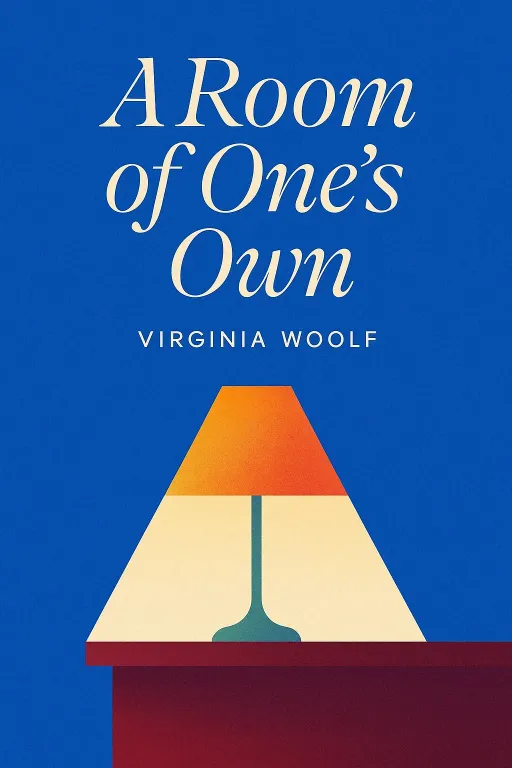
A Room of One's Own
Virginia Woolf
Based on a series of lectures delivered at Newnham and Girton Colleges, A Room of One's Own explores the societal and economic barriers that have historically hindered women's literary expression. With wit and insight, Woolf argues for the necessity of financial independence and personal space ('a room of one's own') as essential conditions for women's creative freedom.
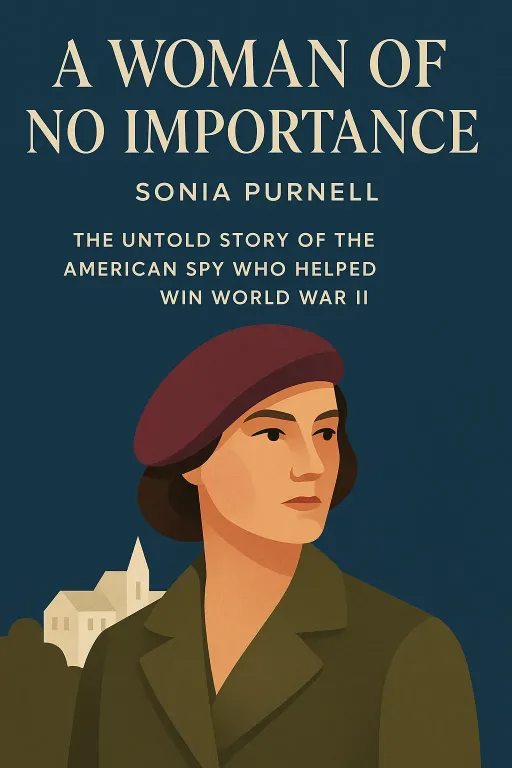
A Woman of No Importance
Sonia Purnell
Discover the gripping, untold story of Virginia Hall, an American spy who defied all odds to become a pivotal force in the Allied victory during World War II. Overcoming personal tragedy and societal prejudice, Hall's daring exploits in espionage and sabotage behind enemy lines changed the course of history. This book unveils her extraordinary courage, resilience, and the clandestine world she inhabited, revealing a true-life hero whose contributions have long been overlooked.