


Gödel, Escher, Bach
Douglas R. Hofstadter
"Gödel, Escher, Bach"—often called GEB—is a cult classic in the worlds of computer science and artificial intelligence. Written by Douglas Hofstadter, this 1980 Pulitzer Prize winner is not a dry academic text but a playful and mind-bending intellectual journey. Hofstadter weaves together the work of three distinct masters: the logician Kurt Gödel, the artist M.C. Escher, and the composer J.S. Bach. The central theme of the book is the concept of a "Strange Loop." This occurs when a system moves through various levels only to find itself right back where it started. Hofstadter illustrates this using Escher’s staircases that ascend forever and Bach’s musical canons that loop seamlessly back to their beginning. Hofstadter uses these puzzles to explore a profound mystery: how can lifeless matter create a conscious mind? He argues that your sense of "self" is essentially a complex strange loop arising from the firing of neurons in your brain. Filled with wordplay, puzzles, and witty dialogues between Achilles and the Tortoise, reading this book is a rigorous mental workout that will permanently change how you perceive thinking, meaning, and being human.
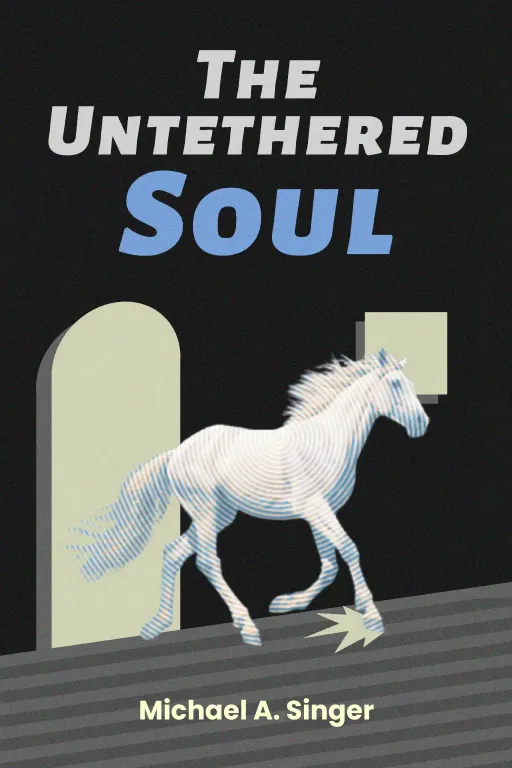
The Untethered Soul
Michael A. Singer
Embark on a transformative journey beyond your limitations with 'The Untethered Soul.' This book offers a profound exploration of the self, guiding you to understand your thoughts, emotions, and inner voice. Discover how to break free from habitual patterns, find inner peace, and live a life of freedom and joy.
Rational Ritual
Michael Suk-Young Chwe
An exploration of how individuals coordinate their actions, focusing on the role of common knowledge and public rituals in solving coordination problems. It examines ceremonies, rallies, media events, and social networks, drawing connections between diverse social phenomena and scholarly traditions.
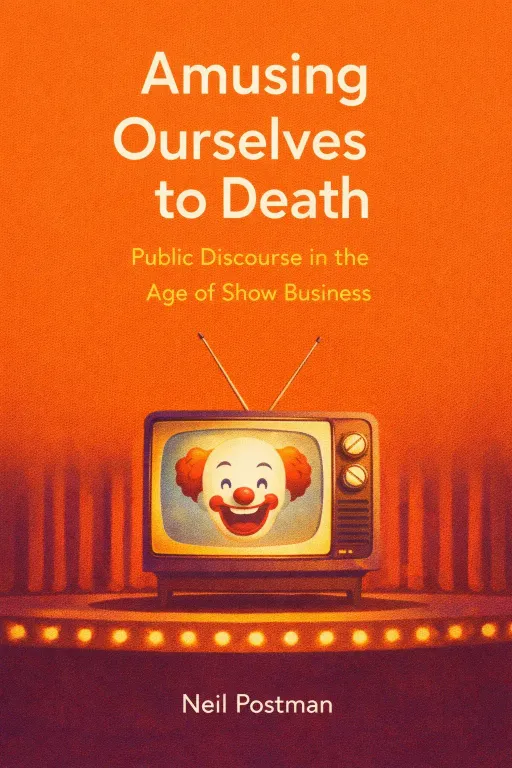
Amusing Ourselves to Death
Neil Postman
In "Amusing Ourselves to Death: Public Discourse in the Age of Show Business," Neil Postman presents a compelling critique of modern media, arguing that its emphasis on entertainment undermines serious public discourse. Drawing a contrast between the dystopian visions of George Orwell and Aldous Huxley, Postman suggests that Huxley's vision of a society controlled by pleasure and triviality is more relevant to contemporary culture. The book explores how the shift towards a television-dominated culture transforms all forms of communication into entertainment, using Las Vegas as a metaphor for this phenomenon. Readers will embark on a historical journey, examining the evolution of communication from oral traditions to print, and its impact on how societies define truth and knowledge. The book delves into the profound influence of the printed word on American culture, highlighting the "Age of Exposition" and the rationality fostered by print-based discourse. Through insightful analysis and historical context, "Amusing Ourselves to Death" challenges readers to consider the ways in which media shapes their understanding of the world and the potential consequences for public life. The Twentieth Anniversary Edition includes reflections from Neil Postman's son, Andrew Postman, on the book's enduring relevance in the age of digital technologies.
A Brief History of Thought
Luc Ferry
A concise and accessible introduction to the history of philosophy, exploring key thinkers and ideas from ancient Greece to contemporary thought. This book offers a philosophical guide to living, helping readers understand the world and their place in it.
Discipline and Punish
Michel Foucault
Michel Foucault's seminal work offers a profound historical and philosophical analysis of the evolution of carceral institutions and punishment practices from the 18th to the 19th century. Through meticulous documentation, Foucault explores the shift from public spectacles of torture to modern disciplinary systems, introducing concepts like 'disciplinary power' and 'Panopticism' to reveal how power operates through surveillance, control, and the 'body-soul shift' in penal methods. This book challenges conventional understandings of justice, crime, and the mechanisms of social control.
The Communist Manifesto
Marx
A timeless analysis of capitalism and class struggle, The Communist Manifesto offers a critical perspective on society, economics, and the potential for revolutionary change. Explore the core ideas that have shaped political thought and continue to resonate in today's world.
The Dawn of Everything
David Graeber
A groundbreaking exploration of human history, challenging conventional narratives about social evolution, inequality, and the origins of civilization. It draws on archaeological and anthropological evidence to present a more nuanced and hopeful account of humanity's past, revealing the diverse social experiments and possibilities that existed before the advent of agriculture and states.