

Technology & Science
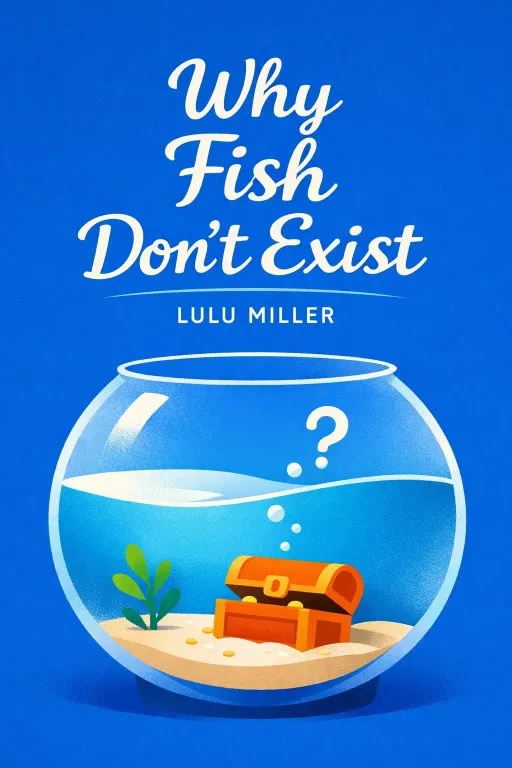
Why Fish Don't Exist
Lulu Miller
"Why Fish Don't Exist: A Story of Loss, Love, and the Hidden Order of Life" intertwines the biography of David Starr Jordan, a 19th-century taxonomist, with the author's personal journey of existential questioning. Driven by a need to impose order on the natural world, Jordan relentlessly pursued the classification of fish, becoming a leading scientist and university president. His life, marked by both professional triumph and personal tragedy, serves as a focal point for exploring themes of loss, resilience, and the human desire for meaning in a chaotic world. Readers will delve into Jordan's early life, his formative experiences with the renowned naturalist Louis Agassiz, and his unwavering dedication to taxonomy, even in the face of devastating events like the 1906 San Francisco earthquake. The book explores the philosophical implications of naming and categorizing, while also examining the potential pitfalls of self-delusion and the darker aspects of Jordan's legacy, including his possible involvement in covering up the suspicious death of Jane Stanford. Ultimately, "Why Fish Don't Exist" is a blend of science history, biography, and philosophical inquiry. It challenges readers to consider the nature of order and chaos, the role of delusion in human resilience, and the complex legacy of a man who sought to define the world around him, even as his own life was marked by profound loss and moral ambiguity.
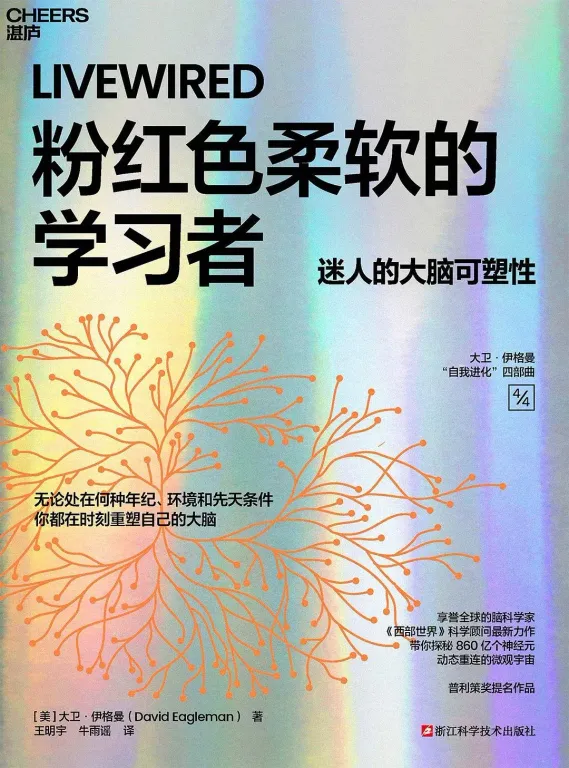
粉红色柔软的学习者
David Eagleman
《粉红色柔软的学习者:迷人的大脑可塑造性》是一本2025年出版的关于大脑如何不断改变和重连的科学科普作品,作者是美国著名脑科学家大卫·伊格曼,他也是斯坦福大学的教授和多部大脑科普作品的作者。全书围绕大脑可塑性这一前沿科学主题展开,向读者揭示了大脑并非固定不变的器官,而是一个终生能够动态适应、学习和重构的柔软网络。 伊格曼通过丰富的案例、生动的比喻和通俗易懂的语言解释了脑神经系统的复杂运作。例如,他探讨了为什么切除半个大脑的孩子仍能正常生活、为什么10岁以后再学一门语言会面临困难、盲人如何利用舌头感知世界等能激发普遍好奇心的现象。书中提出“大脑一生都在动态重连而非重塑”的观点,强调神经元之间不断调整连接方式的过程是学习、适应、恢复与创新的核心。 除了展示最新脑科学研究成果,本书还探讨了这些发现对教育、康复、认知训练、心理健康甚至人工智能等领域的意义,让读者不仅理解大脑如何工作,更看到利用大脑可塑性改善学习、恢复能力和提升认知潜力的可能性。《粉红色柔软的学习者》适合对大脑科学、学习原理和人类潜能感兴趣的读者,是一部将严谨科学与迷人故事融为一体的认知科学佳作。
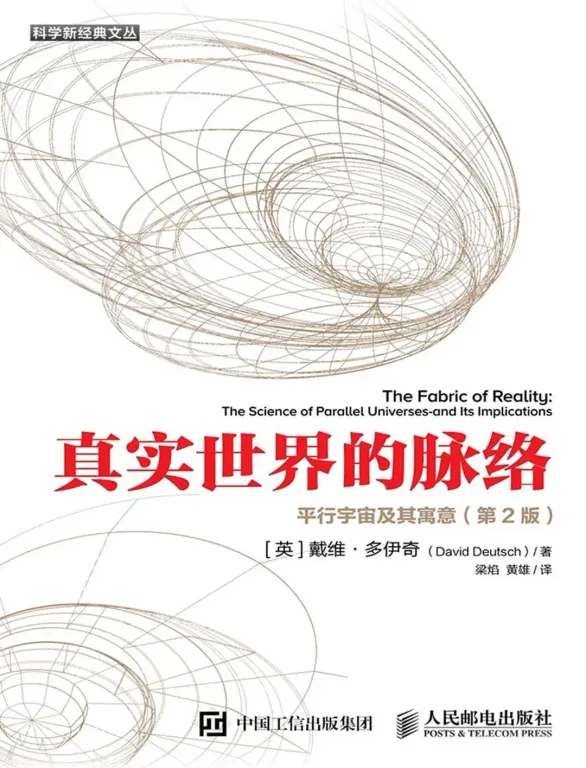
真实世界的脉络
David Deutsch
《真实世界的脉络:平行宇宙及其寓意》是英国物理学家戴维·多伊奇(David Deutsch)的哲学性科普巨作,试图从科学最前沿的角度为我们描绘一个全新的现实世界观。通过整合量子物理、进化论、计算理论和知识论四个领域的核心思想,作者提出了一个深入理解现实本质的思维框架,挑战传统的现实观与宇宙结构认知。 书中最引人注目的讨论之一是平行宇宙的存在与意义:当量子理论被字面理解时,它暗示着不仅存在我们熟悉的宇宙,而且还存在无数“平行宇宙”,它们与我们共同构成更大的多重宇宙结构。多伊奇将这一科学概念与认识论、计算和进化的基本原则结合起来,认为这种“多世界”观点有助于解释现实的深层机制以及我们如何认知和理解世界。 除了探讨平行宇宙的存在,本书还围绕一系列根本性问题展开,如:科学的真正目的是什么、我们如何判断现象是否真实、虚拟现实是否比所谓“现实”更真实,以及时间与数学本质的本质等。通过对这些问题的深入剖析,作者希望读者能够形成一种更全面、更富逻辑与洞见的世界观。 这本书适合对宇宙结构、量子理论和人类认知边界感兴趣的读者,它不仅是物理学和宇宙学的科普,更是一种将科学理解提升到哲学高度的思考冒险,引导我们重新审视自己在真实世界中的位置与意义。
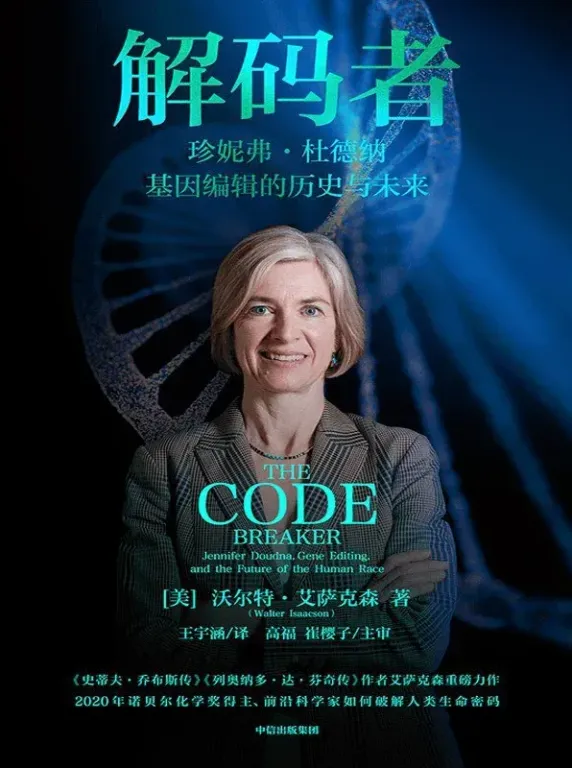
解码者
Walter Isaacson
这是由沃尔特·艾萨克森撰写的一部引人入胜的科学传记,从个人故事与科学革命交织的视角,讲述了基因编辑技术如何改变人类未来。全书围绕2020年诺贝尔化学奖获得者之一、前沿生命科学家珍妮弗·杜德纳展开,详细记录了她与全球科研团队如何发现并发展出开创性的基因编辑方法——CRISPR-Cas9,这是一种能够精准修改DNA的工具,被视为生命科学史上最重要的突破之一。 艾萨克森以丰富的采访与扎实的科学史背景为基础,从达尔文和孟德尔时代的遗传学起点讲起,涵盖了沃森与克里克发现DNA结构以来的科学进程,呈现了CRISPR技术的诞生、科研竞争与合作、专利争夺以及围绕伦理与责任展开的全球对话。书中不仅描绘了杜德纳个人成长与科研探索的心路历程,也让读者理解这项技术背后复杂的科学逻辑和深刻的伦理挑战。 《解码者》不只是一本人物传记,更是一本关于未来生命科学可能性的前沿指南。它讨论了基因编辑在医疗、农业和人类健康方面的潜力,以及这一技术如何引发对人类身份、社会公平和伦理边界的深刻思考。无论你对科学史感兴趣,还是关心科技如何塑造人类未来,这本书都提供了一个清晰而深刻的视角。
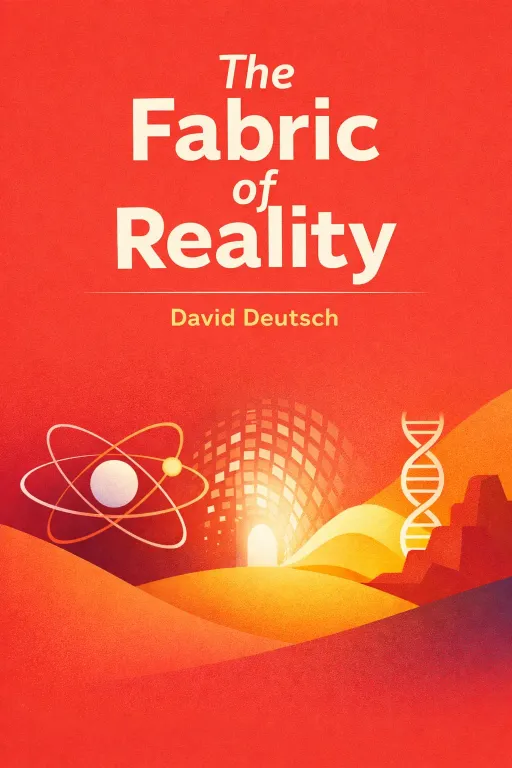
The Fabric of Reality
David Deutsch
In 'The Fabric of Reality,' David Deutsch, a pioneer in quantum computation, challenges conventional notions of reality by weaving together four fundamental strands of knowledge: quantum physics, the theory of computation, epistemology, and the theory of evolution. He argues that these seemingly disparate fields offer a unified and profound understanding of the universe, revealing a reality far richer and more interconnected than commonly perceived. Deutsch critiques reductionism and instrumentalism, advocating for the power of explanatory theories to truly comprehend the world, rather than merely predict it. This book is an intellectual journey that redefines our understanding of existence, from the subatomic to the cosmic.
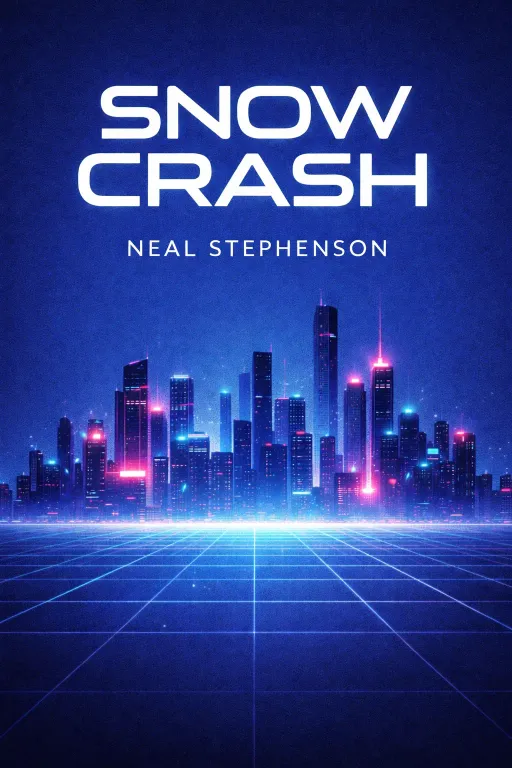
Snow Crash
Neal Stephenson
In a dystopian future where corporate franchises and privatized infrastructure reign supreme, Neal Stephenson's "Snow Crash" plunges into a world of virtual reality, ancient mythology, and high-stakes action. The story follows Hiro Protagonist, a pizza delivery guy and Metaverse hacker, and Y.T., a resourceful Kourier, as they navigate the dangerous landscape of Burbclaves and digital realms. When a mysterious virus called "Snow Crash" begins causing real-world brain damage, Hiro and Y.T. find themselves caught in a conspiracy that blurs the lines between the virtual and the real. Readers will be transported to the Metaverse, a sprawling digital city where avatars interact and information is power. They will witness the rise of corporate entities like CosaNostra Pizza and Nova Sicilia, and the privatized law enforcement of MetaCops. As Hiro and Y.T. investigate the origins of Snow Crash, they uncover connections to ancient Sumerian mythology, neurolinguistic programming, and a dangerous figure named Raven, an Aleut whale killer wielding a nuclear warhead. "Snow Crash" explores themes of language, power, and the nature of reality in a society saturated with technology and corporate control. Through action-packed sequences, mind-bending concepts, and satirical commentary, the novel offers a thrilling and thought-provoking journey into a cyberpunk future where the fate of the world hangs in the balance.
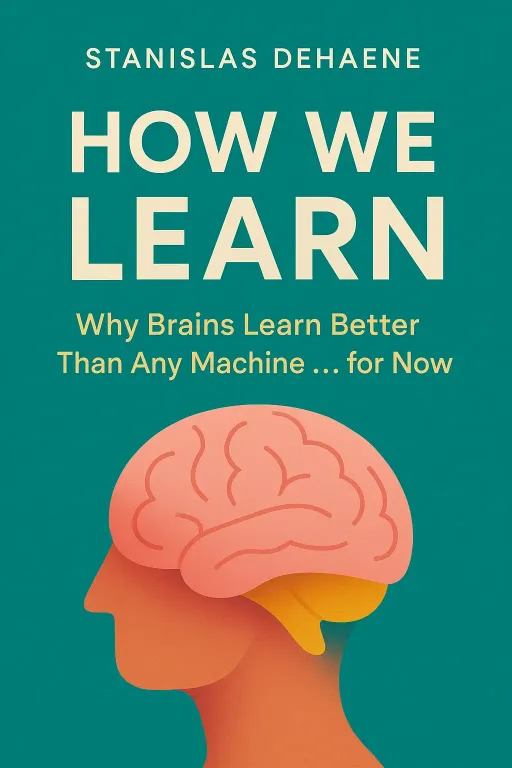
How We Learn
Stanislas Dehaene
Explore the fascinating science of learning and discover how our brains acquire knowledge, adapt to new information, and master new skills. Delve into the four pillars of learning and uncover the secrets to unlocking your brain's full potential.
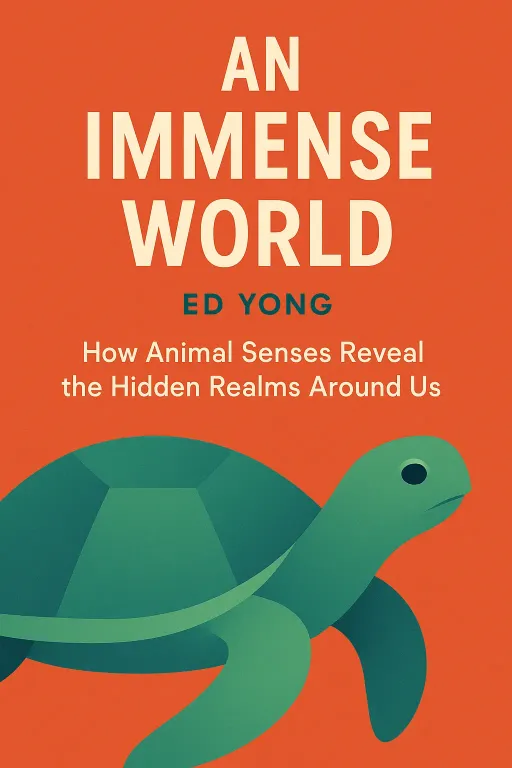
An Immense World
Ed Yong
A journey into the sensory worlds of animals, revealing the diverse and wondrous ways they perceive reality. From the ultrasonic calls of rodents to the magnetic fields detected by sea turtles, discover the hidden realms that exist alongside our own, and gain a deeper understanding of the natural world.