

Technology & Science
The Universe in a Nutshell
Stephen Hawking
A fascinating exploration of the universe's fundamental concepts, building upon 'A Brief History of Time'. Hawking delves into relativity, quantum theory, and the ongoing quest for a unified Theory of Everything, offering insights into the cosmos and our place within it.
The Book of Why
Judea Pearl
A groundbreaking book that revolutionizes how we think about cause and effect, revealing the new science of causal inference and its profound implications for science, technology, and our understanding of the world.
Mathematics for Ladies
Jessy Randall
A captivating collection of poems that celebrates the lives and groundbreaking contributions of often-overlooked women in science throughout history. From ancient pioneers to modern-day innovators, this book reclaims the narratives of brilliant minds like Marie Curie, Lise Meitner, and Maryam Mirzakhani, challenging historical biases and highlighting their profound impact on scientific discovery through evocative verse.
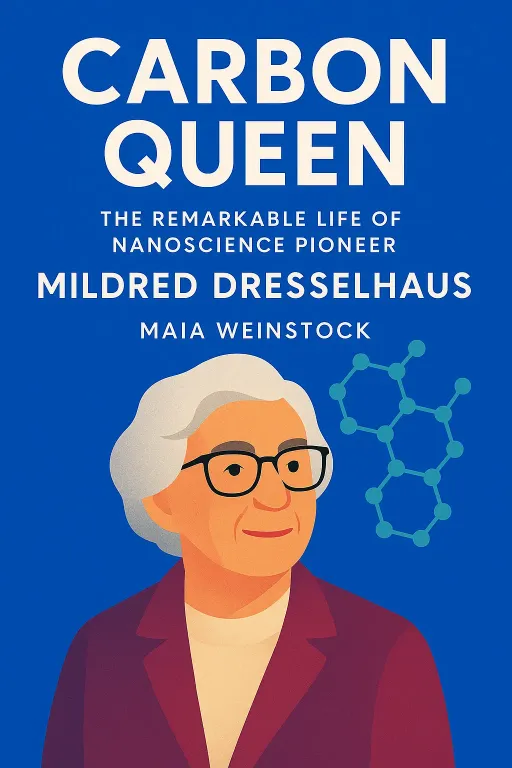
Carbon Queen
Maia Weinstock
Discover the extraordinary life of Mildred Dresselhaus, the 'Queen of Carbon,' who defied poverty and societal expectations to become a trailblazing physicist and engineer. This captivating biography chronicles her journey from a challenging childhood in Depression-era New York to her groundbreaking research in nanoscience, including her pivotal predictions about carbon nanotubes. More than a scientist, Dresselhaus was a tireless educator, mentor, and advocate for women in STEM, leaving an indelible legacy that reshaped our understanding of matter and inspired countless individuals.
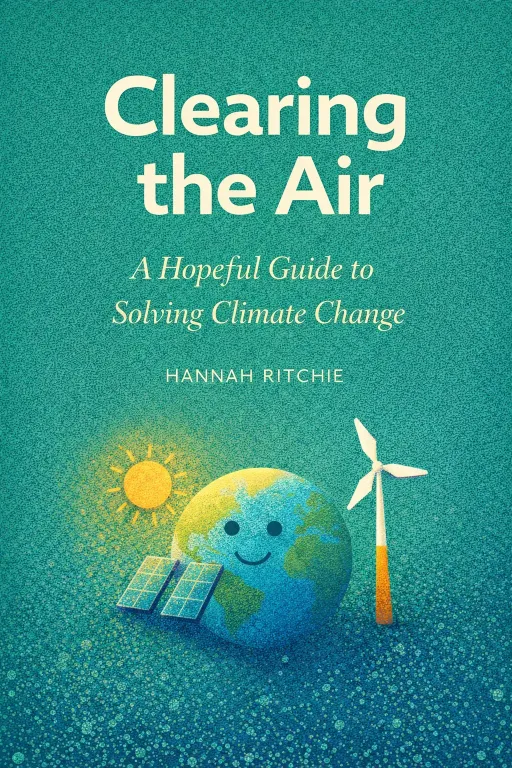
Clearing the Air
Hannah Ritchie
Clearing the Air: A Hopeful Guide to Solving Climate Change—In 50 Questions and Answers by Hannah Ritchie offers one of the clearest, most grounded explanations of the climate challenge available today. Drawing on Ritchie’s expertise as a data scientist and her work with Our World in Data, the book tackles 50 of the most common, confusing, and urgent questions people have about climate change, from “Is it too late?” to “Won’t we run out of critical minerals?” and “Are renewables too expensive?” by cutting through the noise with straightforward data and evidence. Rather than leaning on doom-laden predictions or optimistic platitudes, Clearing the Air focuses on clarity and hope. Ritchie shows that the truth about climate change is not only more nuanced than many headlines suggest but also more actionable and encouraging. She explains where progress has already been made—such as sharp declines in the cost of solar and wind energy—and outlines the practical steps individuals, industries, and governments can take now to reduce emissions and build a cleaner future. Praised by voices such as Bill Gates as “one of the clearest explanations of the climate challenge” and recognized as essential reading by The Guardian and thinkers like Rutger Bregman and Mark Lynas, the book equips readers with the knowledge needed to separate fact from fiction and become confident participants in climate solutions. Whether you feel overwhelmed by conflicting messages or are simply seeking reliable, evidence-based guidance, Clearing the Air is a clear, hopeful, and indispensable guide to understanding climate change and how we can tackle it together.
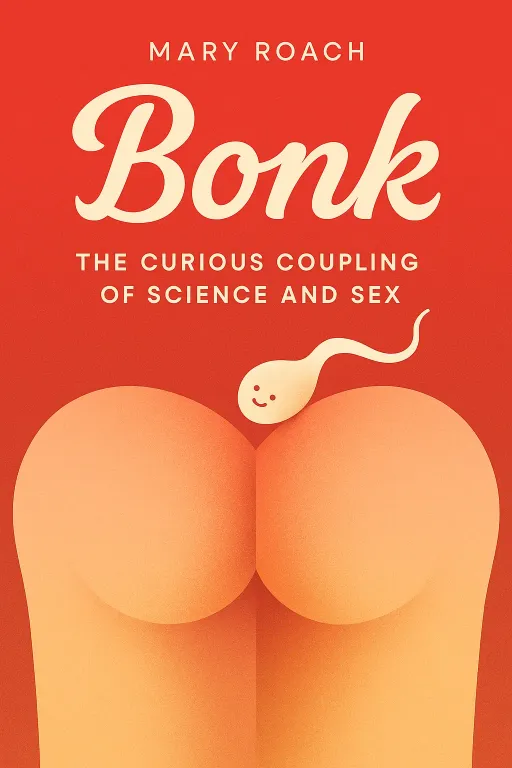
Bonk
Mary Roach
Mary Roach delves into the science of sex, exploring the physiological aspects of arousal and orgasm through research conducted in labs, brothels, and beyond. With her signature wit and curiosity, Roach uncovers the surprising and often hilarious truths behind the most intimate aspects of human behavior.
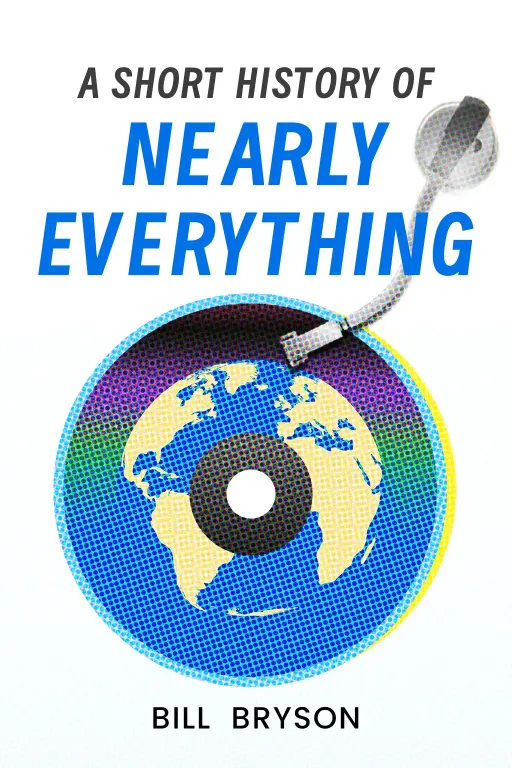
A Short History of Nearly Everything
Bill Bryson
Embark on a captivating journey through the cosmos and beyond with Bill Bryson as he unravels the mysteries of the universe, from the Big Bang to the present day. Explore the wonders of science, history, and the intricate tapestry of existence in this accessible and enlightening exploration of nearly everything.
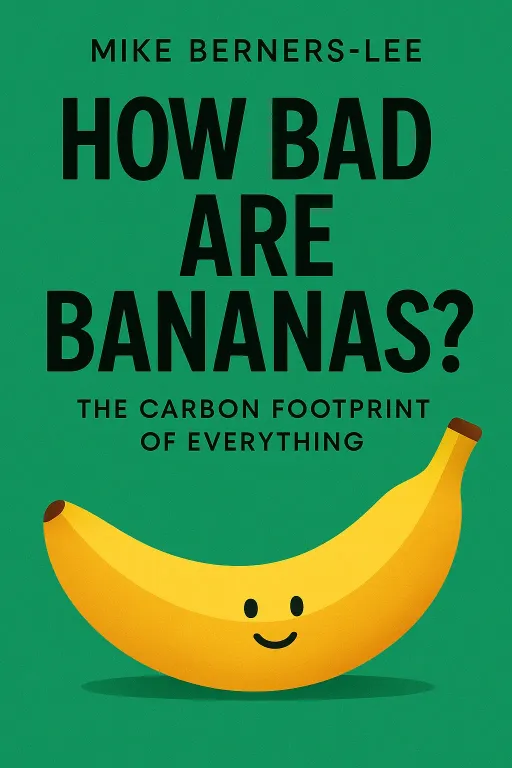
How Bad Are Bananas?
Mike Berners-Lee
Explore the carbon footprint of everyday items and activities in this eye-opening guide. From bananas to flights, discover the environmental impact of your choices and gain a 'carbon instinct' to make more sustainable decisions.