

Technology & Science
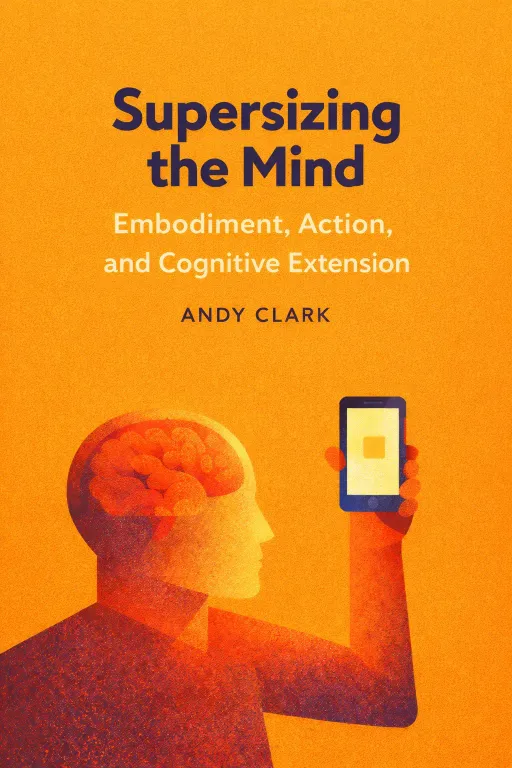
Supersizing the Mind
Clark, Andy
Supersizing the Mind: Embodiment, Action, and Cognitive Extension by Andy Clark is a landmark work in cognitive science and philosophy of mind that challenges the idea that thinking is confined to the brain. Instead, Clark argues that our minds are deeply integrated with our bodies, our actions, and the world around us, including the tools and technologies we use. Clark shows how traditional cognitive theories have often ignored the role of bodily interaction and environmental context in shaping thought. Drawing on research from psychology, neuroscience, linguistics, artificial intelligence, and robotics, he builds a sustained case for what is known as the extended mind—the idea that aspects of the physical and social environment actively participate in cognitive processes rather than merely providing input to an isolated brain. This book provides both a comprehensive survey of contemporary work in embodied and situated cognition and a bold philosophical argument for rethinking the boundaries of the mind. Supersizing the Mind is essential reading for anyone interested in how thinking, action, and environment interconnect to produce intelligent behavior.
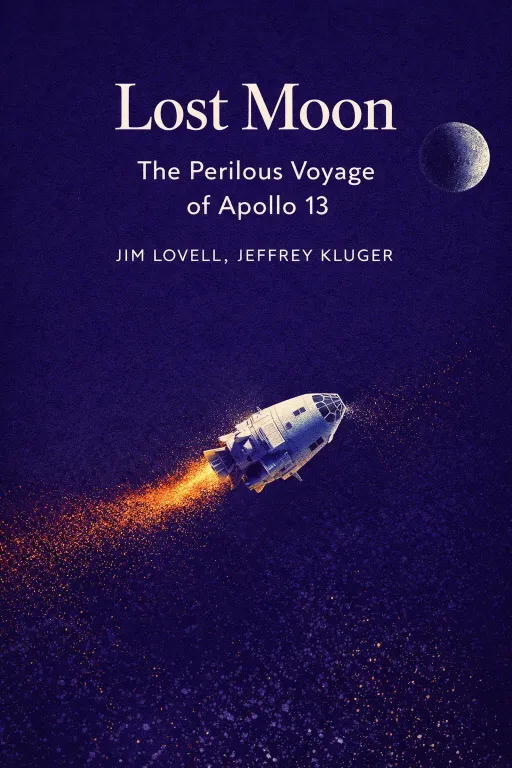
Lost Moon
Jim Lovell
Lost Moon: The Perilous Voyage of Apollo 13 by Jim Lovell and Jeffrey Kluger is the gripping true story behind one of NASA’s most dramatic space missions. Told by Apollo 13’s commander and a seasoned journalist, the book takes readers from the routine preparations for what should have been America’s third moon landing to the moment when an explosion aboard the spacecraft turned the mission into a desperate struggle for survival. Lovell and his crewmates—Jack Swigert and Fred Haise—were more than 200,000 miles from Earth when a critical failure crippled their oxygen and power systems. Stranded in space with dwindling resources, the astronauts and NASA’s ground team in Houston worked against the clock, improvising solutions to bring the crew safely home. Lost Moon combines technical insight with vivid firsthand narrative, offering both an insider’s view of life aboard a crippled spacecraft and the tension-filled efforts on Earth that made the mission’s safe return possible. The book inspired the acclaimed 1995 film Apollo 13 and stands as a testament to human ingenuity, courage, and teamwork under extreme pressure.
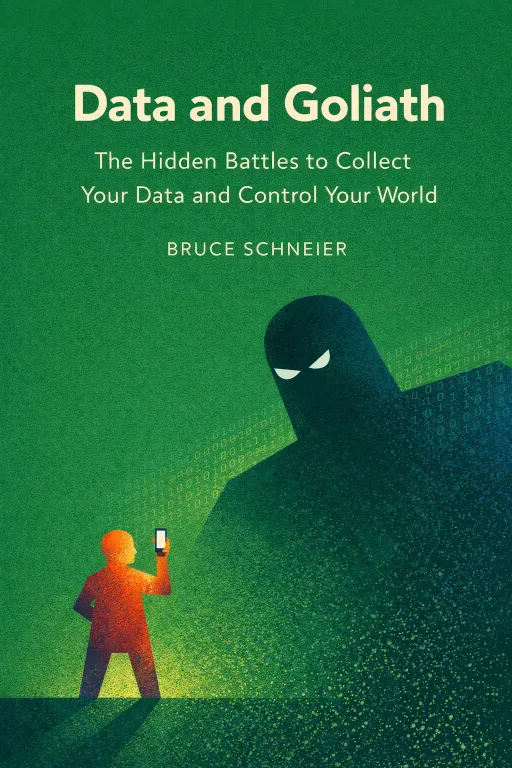
Data and Goliath
Bruce Schneier
The bargain you make, again and again, with various companies is surveillance in exchange for free service. Google’s chairman Eric Schmidt and its director of ideas Jared Cohen laid it out in their 2013 book, The New Digital Age. Here I’m paraphrasing their message: if you let us have all your data, we will show you advertisements you want to see and we’ll throw in free web search, e-mail, and all sorts of other services. It’s convenience, basically. We are social animals, and there’s nothing more powerful or rewarding than communicating with other people. Digital means have become the easiest and quickest way to communicate. And why do we allow governments access? Because we fear the terrorists, fear the strangers abducting our children, fear the drug dealers, fear whatever bad guy is in vogue at the moment. That’s the NSA’s justification for its mass-surveillance programs; if you let us have all of your data, we’ll relieve your fear. The problem is that these aren’t good or fair bargains, at least as they’re structured today. We’ve been accepting them too easily, and without really understanding the terms. Here is what’s true. Today’s technology gives governments and corporations robust capabilities for mass surveillance. Mass surveillance is dangerous. It enables discrimination based on almost any criteria: race, religion, class, political beliefs. It is being used to control what we see, what we can do, and, ultimately, what we say. It is being done without offering citizens recourse or any real ability to opt out, and without any meaningful checks and balances. It makes us less safe. It makes us less free. The rules we had established to protect us from these dangers under earlier technological regimes are now woefully insufficient; they are not working. We need to fix that, and we need to do it very soon.
The Hitchhiker's Guide to the Galaxy
Douglas Adams
Seconds before the Earth is demolished to make way for a galactic freeway, Arthur Dent is plucked off the planet by his friend Ford Prefect, a researcher for the revised edition of The Hitchhiker's Guide to the Galaxy who, for the last fifteen years, has been posing as an out-of-work actor. Together, this dynamic pair begin a journey through space aided by quotes from The Hitchhiker's Guide and a towel.
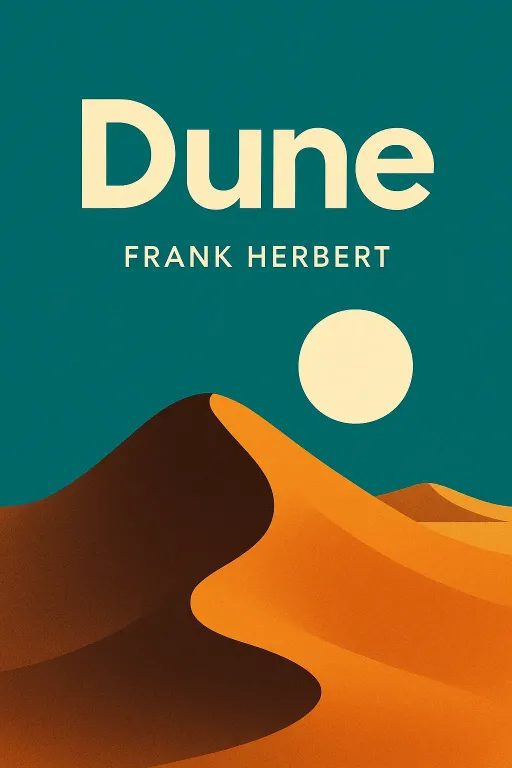
Dune
Frank Herbert
In the far future, on the desert planet Arrakis, a young man named Paul Atreides is caught up in a complex web of political intrigue and ecological disaster as his family takes control of the planet's valuable spice melange. This is only the beginning of his journey.
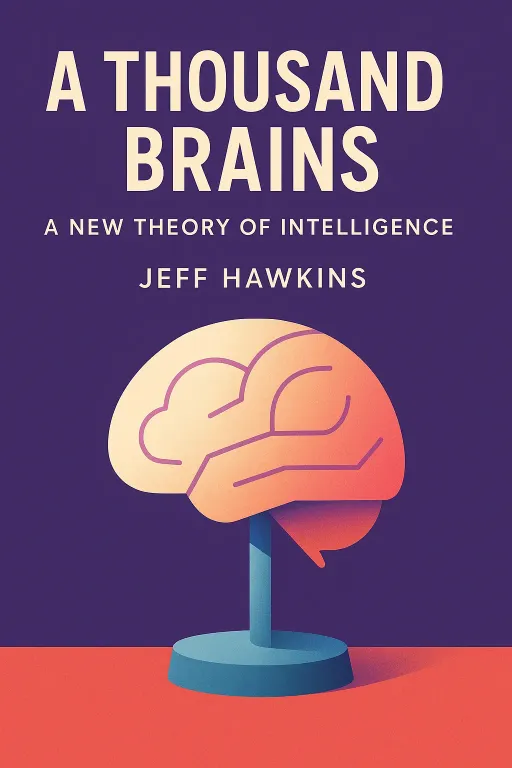
A Thousand Brains
Jeff Hawkins
Explore a groundbreaking new theory of intelligence that explains how the brain works and how truly intelligent machines can be built. Delve into the neocortex, reference frames, and the implications for machine intelligence and the future of humanity.
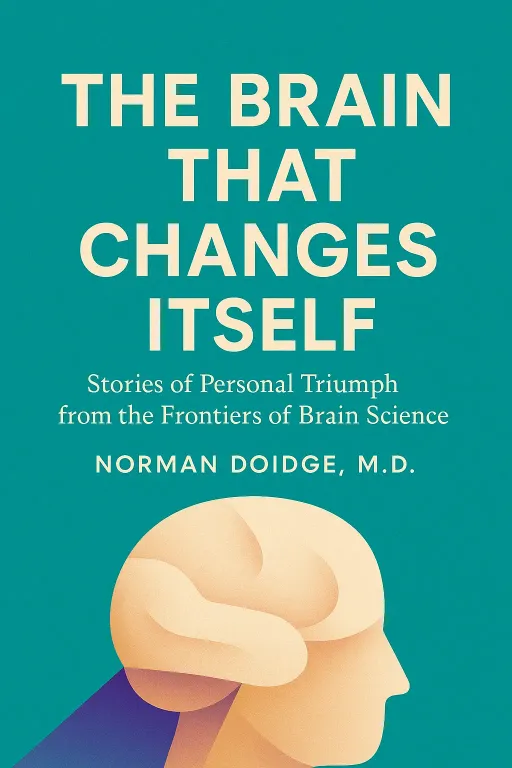
The Brain That Changes Itself
Norman Doidge
Explore the revolutionary discovery that the human brain can change itself through the stories of scientists, doctors, and patients who have experienced astonishing transformations. Without operations or medications, they have tapped into the brain's ability to reorganize and heal, challenging the long-held belief that brain anatomy is fixed.
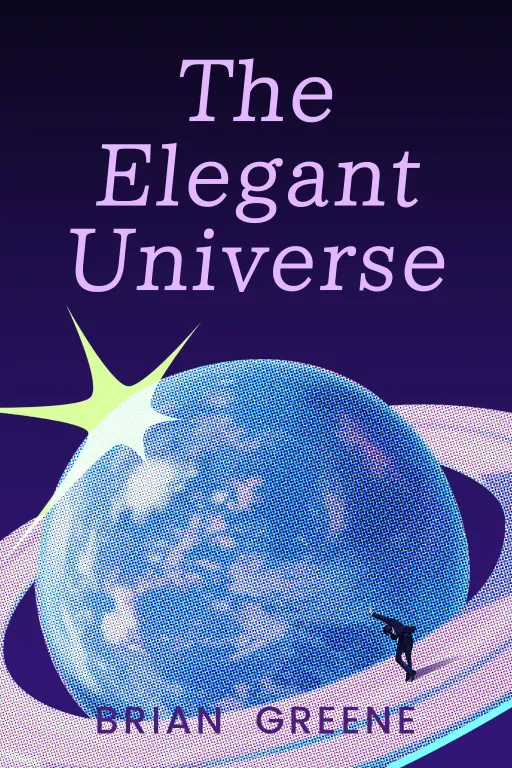
The Elegant Universe
Brian Greene
A journey into the world of superstring theory, exploring the cutting-edge physics that seeks to unify all forces and matter into a single, elegant framework. Discover how this theory revolutionizes our understanding of space, time, and the universe's fundamental laws.