

Economics & Money
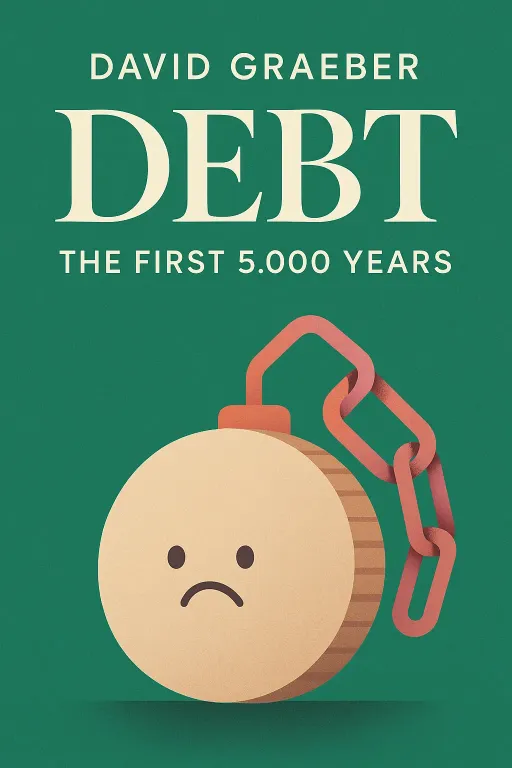
Debt: The First 5,000 Years
David Graeber
A fascinating exploration of the history of debt and its profound impact on human societies. From ancient Mesopotamia to modern financial crises, this book challenges conventional wisdom and reveals the moral and social complexities underlying our economic systems.
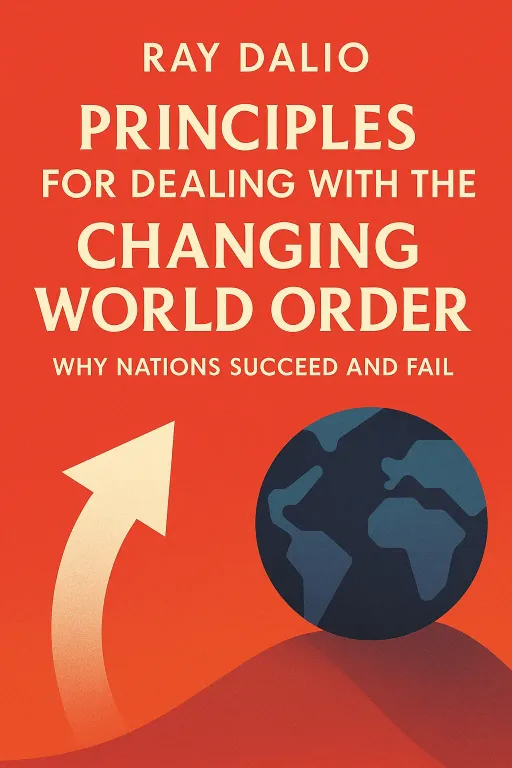
Principles for Dealing with the Changing World Order
Ray Dalio
"Principles for Dealing with the Changing World Order" is a macro-historical analysis by legendary investor Ray Dalio, founder of Bridgewater Associates. Troubled by global trends he hadn't seen in his lifetime—huge debts, zero interest rates, and extreme political polarization—Dalio looked back 500 years to understand the patterns of history. His central thesis is the concept of the "Big Cycle." Dalio argues that history repeats itself in predictable loops. He meticulously tracks the rise and fall of the Dutch, British, and American empires to reveal a universal archetype: empires ascend through education, trade, and strong currency, but eventually decline due to over-indebtedness, internal decadence, and the rise of a rival power. The book is particularly urgent because Dalio places the United States at a critical juncture in this cycle—high debt and high internal conflict—while identifying China as the rising rival. Far from being fatalistic, it offers a diagnostic framework. It provides leaders and investors with the "timeless principles" needed to recognize these storms early and navigate the turbulent transition of global power.
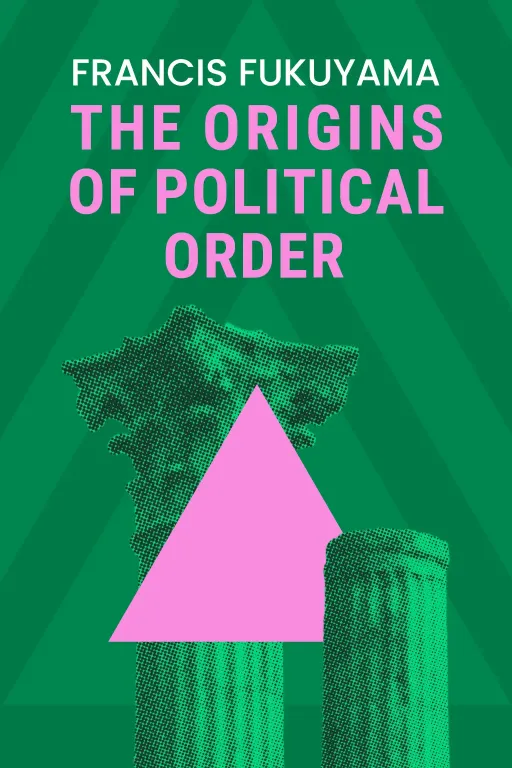
The Origins of Political Order
Francis Fukuyama
An exploration of the historical origins of political institutions, from prehuman times to the eve of the French and American revolutions. This volume delves into the emergence of the state, the rule of law, and accountable government, examining the factors that drive political development and decay across different societies and historical periods.

Abundance
Ezra Klein
In "Abundance: What Progress Takes," Ezra Klein and Derek Thompson challenge the prevailing mindset of scarcity that dominates modern political and economic discourse. Imagining a future of abundance in 2050, the authors argue that many of today's challenges, from the housing crisis to climate change, stem not from genuine resource limitations but from self-imposed restrictions and inefficient systems. They critique the "supply-side mistake" in politics and advocate for a proactive approach focused on growth, building, and innovation. Readers will explore the paradox of abundance, where well-intentioned regulations and bureaucratic hurdles ironically impede progress on critical issues. The book delves into the housing crisis, the challenges of large-scale infrastructure projects, and the stagnation of scientific progress, offering insightful analysis of the systemic biases and inefficiencies that hinder societal advancement. Through case studies like California's high-speed rail and the development of penicillin and solar energy, the authors expose the "eureka myth" and highlight the importance of strategic deployment and government intervention in translating inventions into widespread public benefit. Ultimately, "Abundance" calls for a refocused liberalism that prioritizes building, innovation, and effective implementation to address societal challenges. Klein and Thompson critique both right-wing scarcity politics and "everything-bagel liberalism," advocating for a new political order centered on abundance and a proactive vision for creating a more prosperous and equitable future.
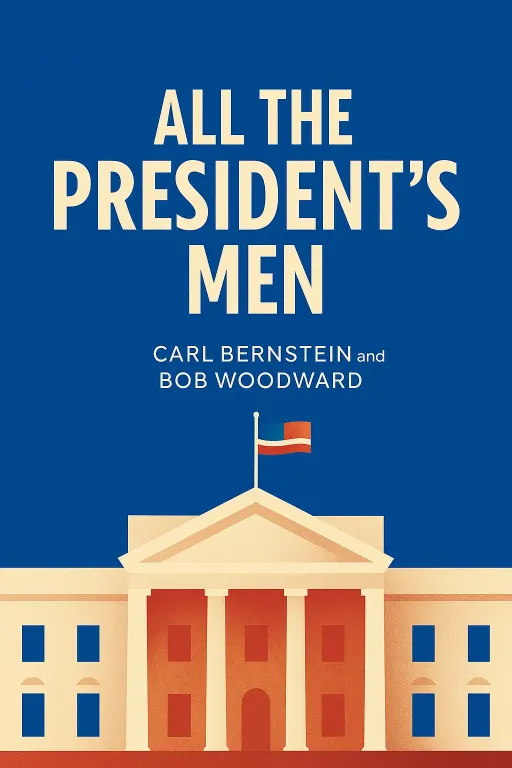
All the President's Men
Carl Bernstein
The gripping inside story of how two Washington Post reporters, Carl Bernstein and Bob Woodward, uncovered the Watergate scandal that led to President Richard Nixon's resignation. A thrilling account of investigative journalism at its finest, revealing the secrets, lies, and political intrigue that shook a nation.
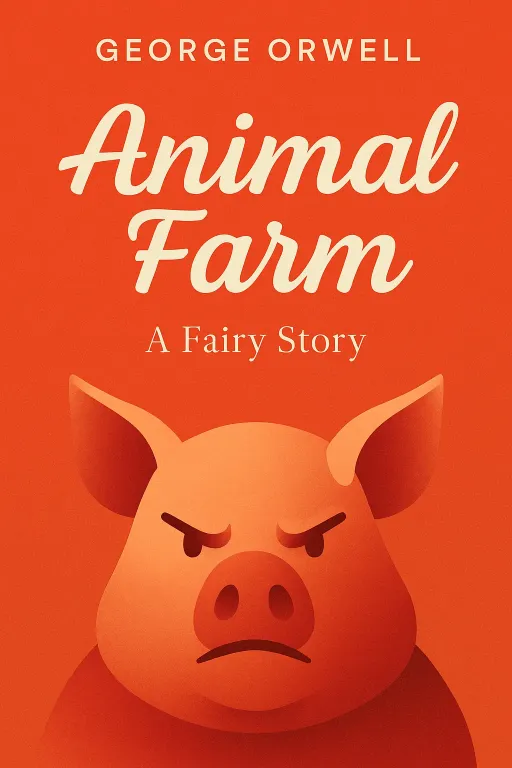
Animal Farm
George Orwell
A compelling satire set on a farm where animals revolt against their human owner, only to establish a new, more oppressive tyranny amongst themselves. A chilling allegory of power, corruption, and the betrayal of revolutionary ideals.

Are Prisons Obsolete?
Angela Y. Davis
Angela Y. Davis challenges the conventional understanding of the prison system, arguing for its abolition by meticulously tracing its historical development, its deep entanglement with racism, sexism, and capitalism, and its evolution into the 'prison industrial complex.' Drawing parallels with past abolition movements, she exposes how prisons perpetuate social inequalities and proposes radical alternatives for a more just and humane society.

Areopagítica
John Milton
A powerful defense of freedom of expression and against censorship, John Milton's 'Areopagitica' remains a timeless and relevant argument for the importance of open discourse in society. Written in 1644, this impassioned plea challenges the restrictive licensing orders of the English Parliament and champions the pursuit of knowledge and truth without constraint.