

Economics & Money
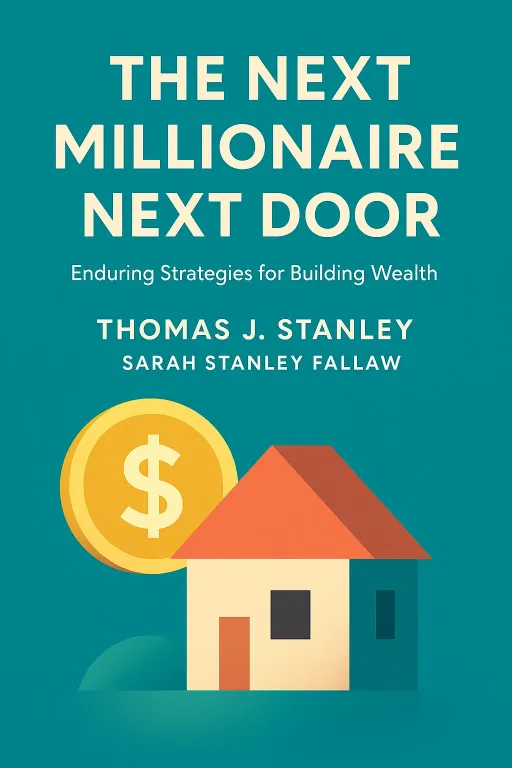
The Next Millionaire Next Door
Thomas J. Stanley
An updated look at the behaviors and strategies that lead to wealth accumulation, revealing how the millionaires next door are still thriving in today's economy. Discover the enduring principles that can help anyone achieve financial independence, regardless of income or background.

The One-Page Financial Plan
Carl Richards
Discover a revolutionary approach to financial planning with 'The One-Page Financial Plan.' This book simplifies the overwhelming world of finance, offering a clear, actionable strategy to align your money with your values and achieve your most important goals. Learn how to create a personalized plan that fits on a single page and transforms your financial life.
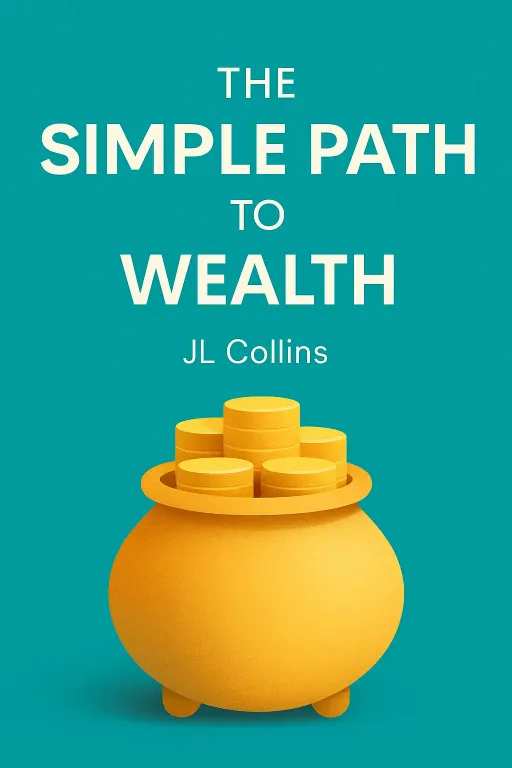
The Simple Path to Wealth
JL Collins
Discover a straightforward approach to building wealth and achieving financial independence. This book offers practical advice, dispels common myths, and provides a simple, actionable path to financial freedom.

Unshakeable
Tony Robbins
Discover the secrets to financial freedom and peace of mind in an uncertain world. Drawing on insights from the world's top financial minds, Tony Robbins provides a concise playbook to help you navigate market volatility, avoid costly mistakes, and achieve lasting prosperity, regardless of economic conditions.
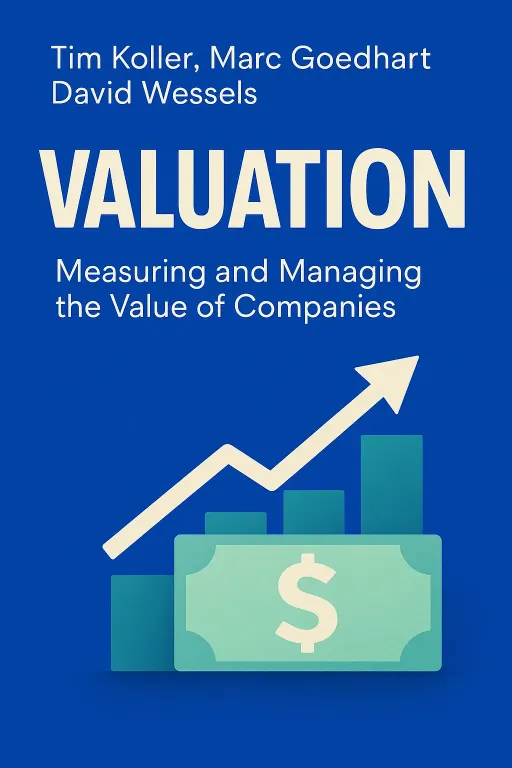
Valuation
Tim Koller
This comprehensive guide, authored by McKinsey & Company experts, provides a practical and rigorous framework for understanding and applying company valuation. It delves into the core principles of value creation, discounted cash flow (DCF) analysis, and their application in strategic decision-making, mergers and acquisitions, capital structure, and performance management. The book aims to equip managers and investors with the tools to create lasting shareholder value, even in complex market conditions.
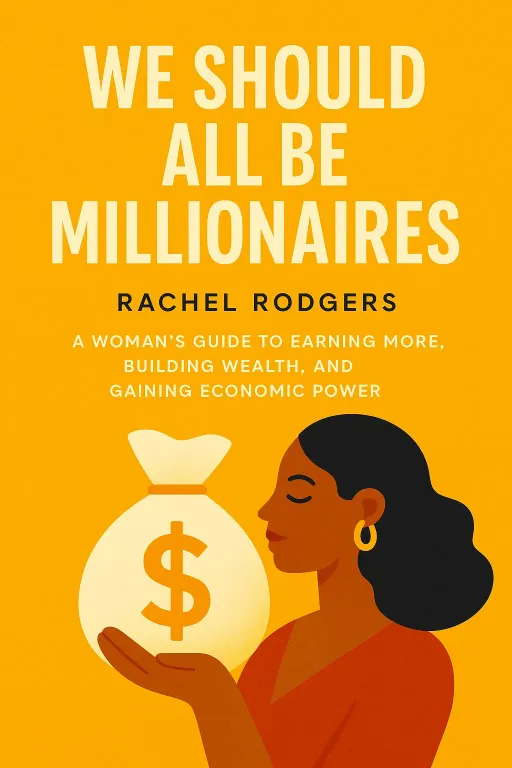
We Should All Be Millionaires
Rachel Rodgers
A guide for women on how to build wealth, increase income, and gain economic power. Rachel Rodgers provides a roadmap for women to achieve millionaire status, focusing on mindset shifts, practical steps, and strategies for overcoming the unique challenges women face in building wealth.
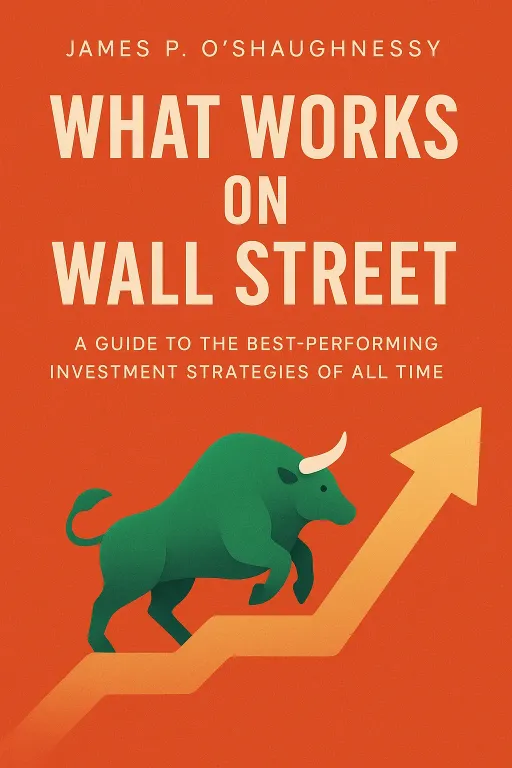
What Works on Wall Street
James P. O’Shaughnessy
Unlock the secrets to successful investing with this guide to the best-performing strategies of all time. Discover time-tested methods for beating the market and achieving financial success, based on long-term performance results and unbiased analysis.
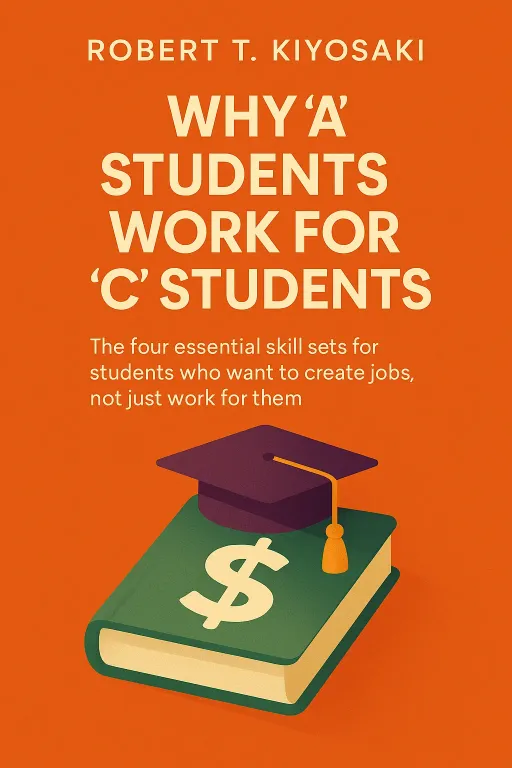
Why "A" Students Work for "C" Students
Robert T. Kiyosaki
Discover the financial secrets schools don't teach! This book reveals the essential skills needed to become a successful entrepreneur and create jobs, rather than just working for them. Learn how to give your child a financial head start and prepare them for a rapidly changing world.