

Economics & Money
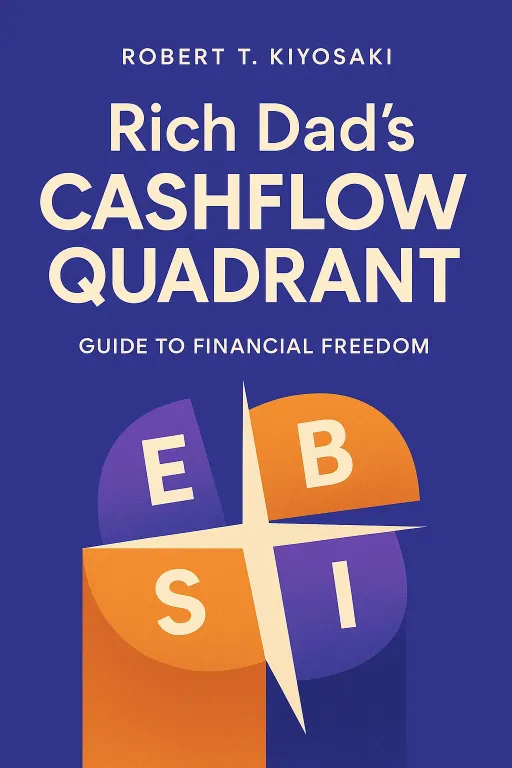
Rich Dad's CASHFLOW Quadrant
Robert T. Kiyosaki
A guide to understanding the different paths to financial freedom, categorizing people based on where their money comes from and offering insights into moving from job security to financial security. Discover the secrets to building wealth and achieving your financial goals.
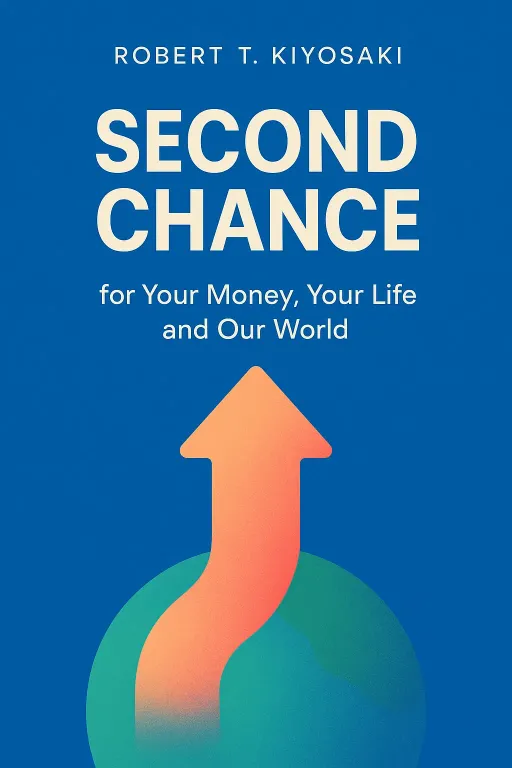
Second Chance
Robert T. Kiyosaki
In 'Second Chance,' Robert Kiyosaki examines the real causes of the financial crisis, analyzes the present economic landscape, and explores opportunities for a fresh start with your money and life. Discover how to navigate the dangers and seize the opportunities found in a growing global financial crisis.
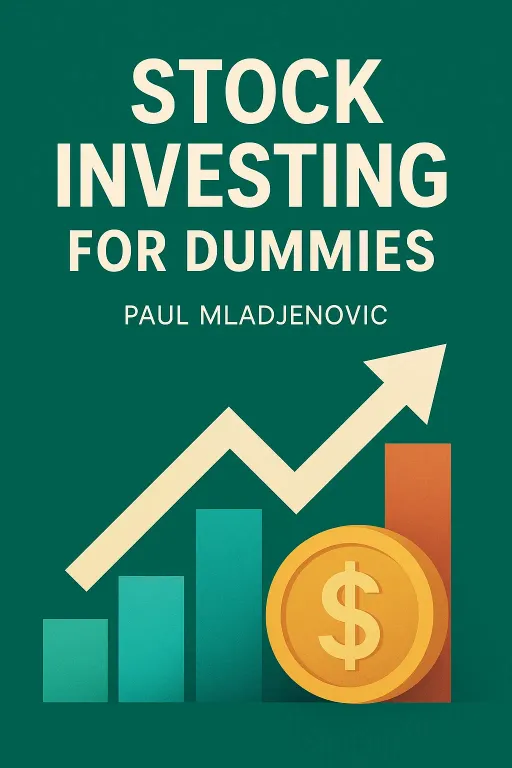
Stock Investing For Dummies
Paul Mladjenovic
Navigate the complexities of the stock market with ease using this comprehensive guide. Whether you're a beginner or looking to refine your strategies, this book provides practical insights, proven techniques, and essential knowledge to help you make informed decisions and achieve lasting prosperity in the world of stock investing.
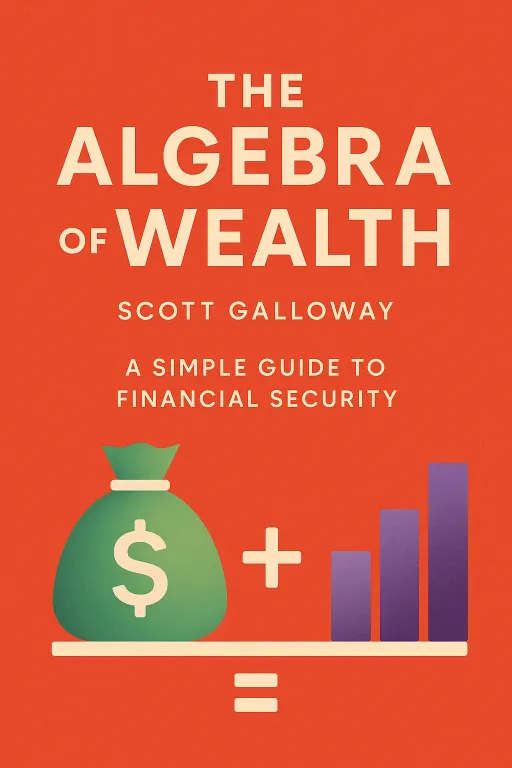
The Algebra of Wealth
Scott Galloway
Unlock the secrets to financial security with 'The Algebra of Wealth.' This book distills complex market principles into actionable strategies, guiding you to build not just wealth, but also the skills, relationships, and habits for a prosperous and fulfilling life. Discover how to navigate capitalism, make smart investments, and achieve economic freedom.
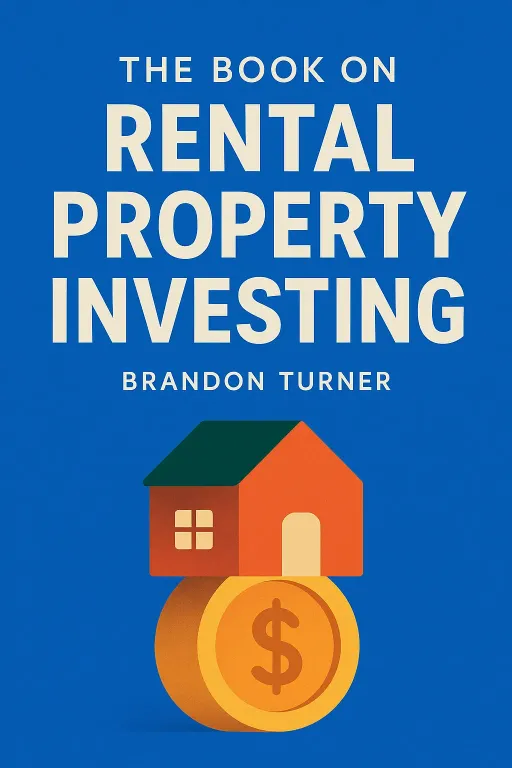
The Book on Rental Property Investing
Brandon Turner
Unlock the secrets to financial freedom through rental property investing. This book provides the tools and knowledge you need to reach your goals, whether you're just starting out or already own hundreds of units. Learn how to make more income, retire sooner, unlock more free time, and amass more units.
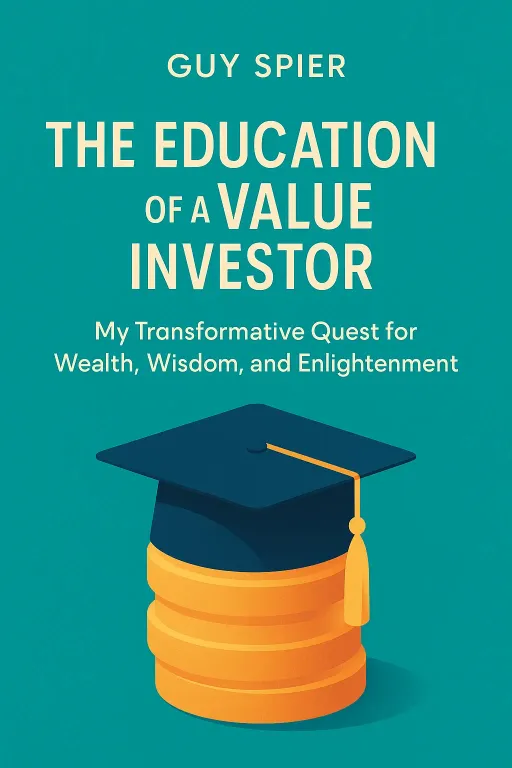
The Education of a Value Investor
Guy Spier
A candid and insightful journey of transformation, as Guy Spier recounts his experiences in the world of value investing, from his early days as a 'Gordon Gekko wannabe' to his enlightenment through the wisdom of Warren Buffett and Benjamin Graham. Discover the profound lessons learned, the mistakes made, and the path to a more enlightened and successful approach to both investing and life.
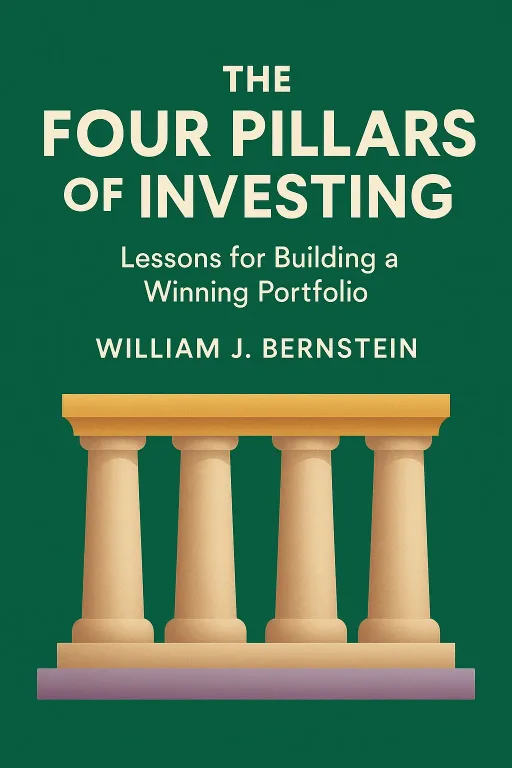
The Four Pillars of Investing
William J. Bernstein
Unlock the secrets to building a winning investment portfolio with 'The Four Pillars of Investing.' Learn essential lessons on investment theory, history, psychology, and the business of investing to achieve financial independence and sleep well at night. A must-read for anyone seeking to navigate the complexities of the financial markets.
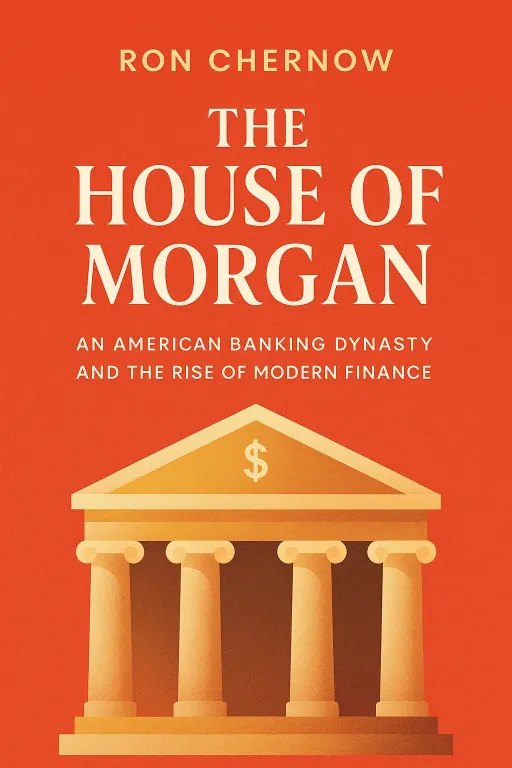
The House of Morgan
Ron Chernow
A gripping narrative of the rise, fall, and resurrection of the House of Morgan, one of the most influential financial empires in American history. From its humble beginnings to its role in shaping global finance, this book delves into the inner workings of the bank and the powerful figures who steered its course through booms, busts, and world-altering events.