

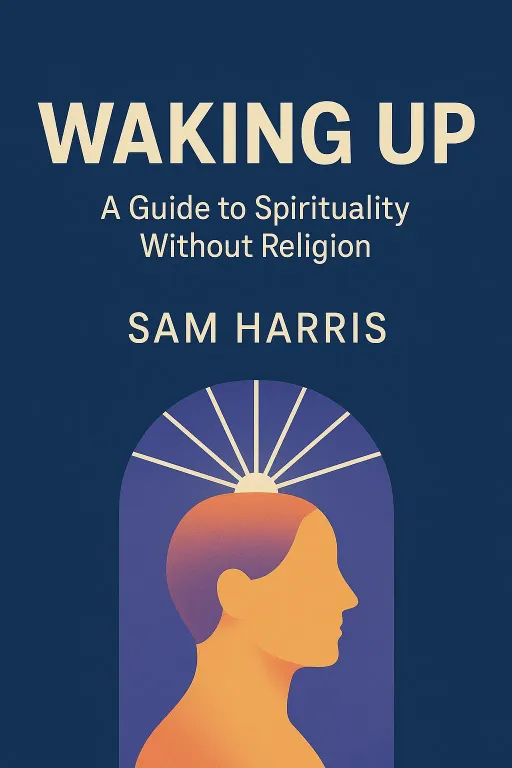
Waking Up
Sam Harris
"Waking Up" is a bridge between two seemingly incompatible worlds: rigorous scientific skepticism and the profound experiences of spiritual life. Written by neuroscientist and philosopher Sam Harris—famously known as one of the "Four Horsemen" of New Atheism—this book argues that there is more to understanding reality than just grasping the physical laws of the universe, but that we do not need religion to access it. Harris contends that spirituality is a matter of consciousness, not creed. His central thesis challenges the feeling most of us have of being a "self"—an ego or passenger residing inside our heads, looking out at the world. Drawing on both neuroscience and the contemplative traditions of the East (specifically Dzogchen and Vipassana), he argues that this "self" is an illusion, and the source of much of our psychological suffering. The book serves as a rational guide to meditation, framing it not as a relaxation technique, but as a tool for empirical investigation into the nature of one's own mind. "Waking Up" invites secular readers to reclaim the wisdom of contemplative practice, proving that it is possible to be spiritual without being religious, and to find a deep sense of peace by simply waking up to the reality of the present moment.

And All the People Said Amen
Harris Faulkner
A collection of stories about the power of prayer and God's intervention in people's lives. From miraculous rescues to overcoming personal struggles, this book reminds us that God is always present and that faith can move mountains.
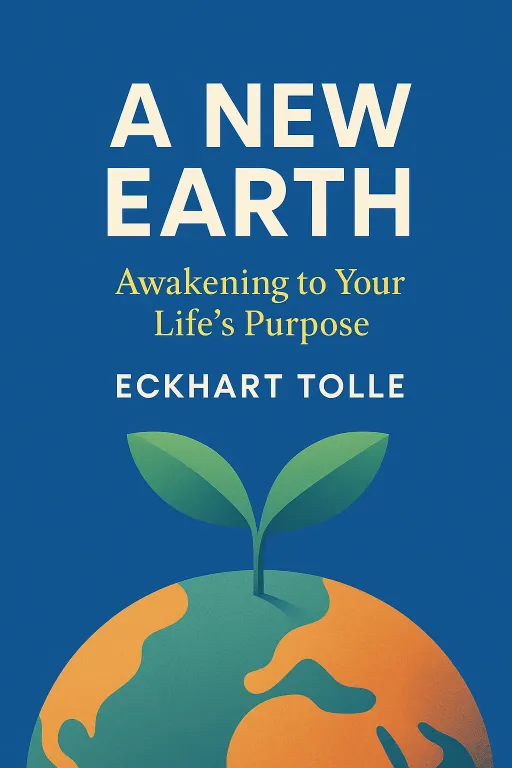
A New Earth
Eckhart Tolle
Eckhart Tolle's 'A New Earth' is a profound exploration of the ego and its impact on human consciousness. It serves as a guide to transcending ego-driven thinking and awakening to a new state of consciousness, offering a path to inner peace and a more fulfilling life. Discover how to break free from the limitations of the mind and embrace the joy of being.