

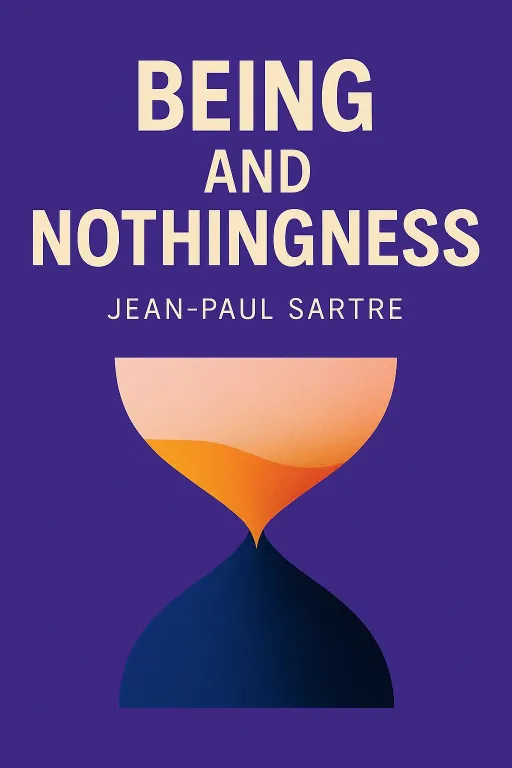
Being and Nothingness
Jean-Paul Sartre
A radical exploration of the human condition, Being and Nothingness delves into the concepts of consciousness, freedom, and responsibility. Sartre argues that our lives gain significance not from external forces but from our own choices, painting a stark and controversial picture of our moral universe.
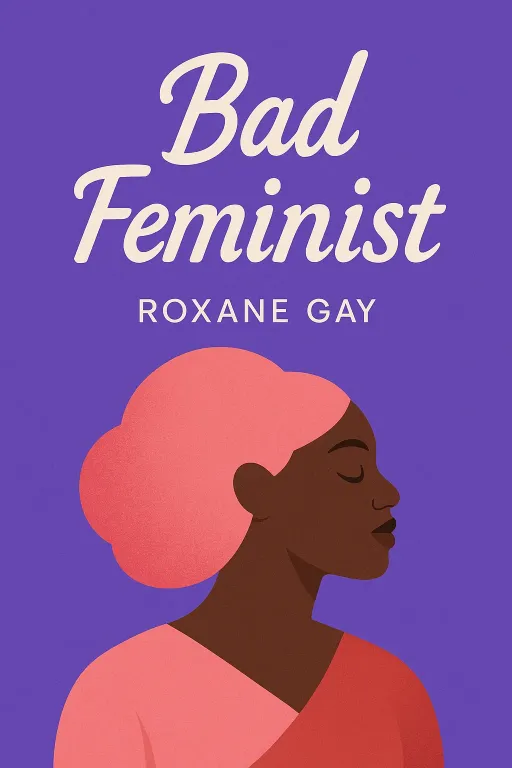
Bad Feminist
Roxane Gay
In these funny and insightful essays, Roxane Gay takes us through her evolution as a woman of color while commenting on the state of feminism today and offering a sharp, sincere look at our culture.
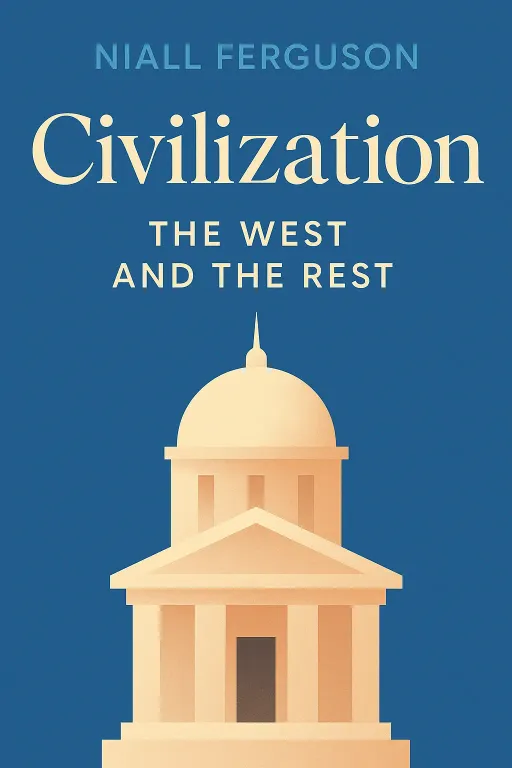
Civilization
Niall Ferguson
An exploration into the rise of Western civilization and its dominance over the rest of the world, beginning in the 15th century. It delves into the unique factors that propelled Western Europe to global power, examining its economic, social, and political institutions, and questioning whether this dominance is coming to an end.
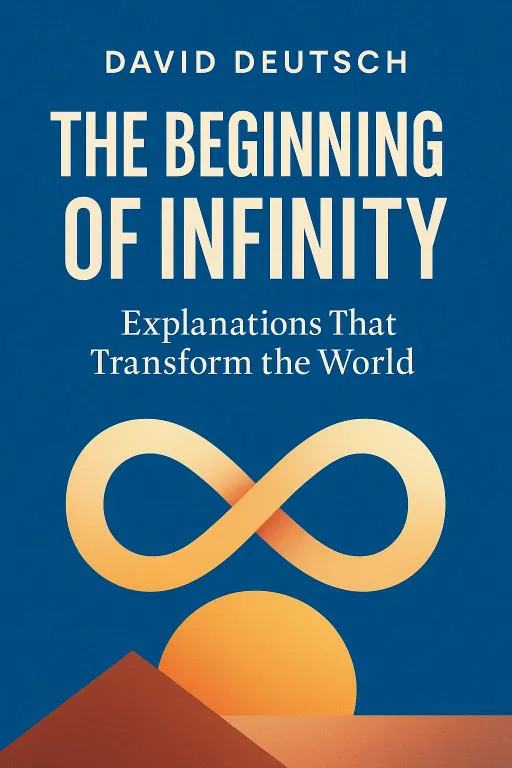
The Beginning of Infinity
David Deutsch
"The Beginning of Infinity" is a mind-expanding defense of human potential written by quantum physicist David Deutsch. While most scientists focus on predicting the future or managing limited resources, Deutsch argues for a radical form of optimism. He asserts that there is no fundamental barrier to progress. If something is not forbidden by the laws of physics, then it is achievable, provided we have the right knowledge. The core of the book is the power of Explanations. Deutsch distinguishes between simple prediction, which even animals can do, and the uniquely human ability to create "good explanations" that explain the unseen reality behind the seen world. Once an explanation is created, it has infinite reach. The same laws of physics that we discovered in a laboratory on Earth apply to the center of a distant star. Deutsch challenges the cynical view that humanity is a plague on the planet or insignificant in the cosmos. Instead, he positions the growth of knowledge as a cosmic force that can transform the universe itself. The book’s mantra is simple yet profound: Problems are inevitable, but problems are soluble. We are not at the end of history, but at the very beginning of an infinite journey of discovery.
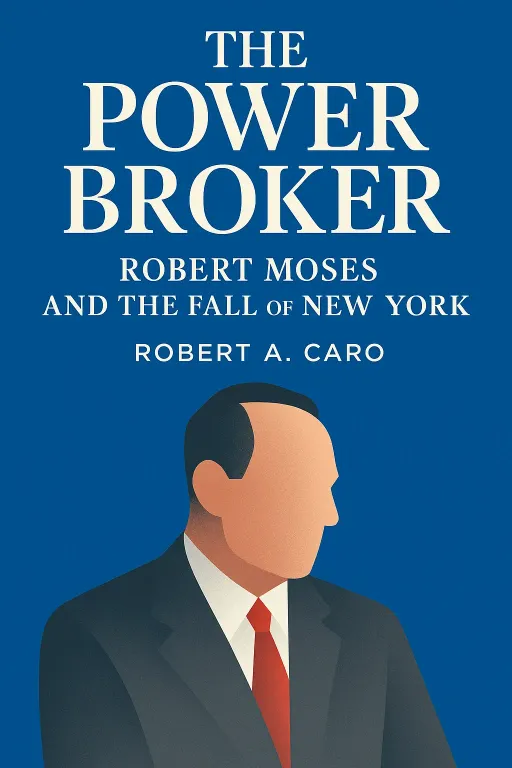
The Power Broker
Robert A. Caro
"The Power Broker" is widely considered one of the greatest non-fiction books ever written. In this Pulitzer Prize-winning masterpiece, journalist Robert A. Caro chronicles the life of Robert Moses, the "Master Builder" who shaped the physical reality of New York City and its suburbs more than any elected official in history. Caro uses Moses’ life to study a larger subject: the acquisition and use of power in a democracy. He reveals how Moses, who was never elected to public office, amassed absolute control for 44 years. By manipulating the murky legal structures of "Public Authorities" (like the Triborough Bridge Authority), Moses generated his own revenue streams, freeing him from the oversight of mayors, governors, and voters. The book is a tragedy of arrogance. It details how Moses started as an idealist dreamer building public parks but transformed into a tyrant who displaced half a million people. Caro meticulously documents the human cost of "progress"—from the destruction of vibrant neighborhoods for the Cross Bronx Expressway to the deliberate design of low bridges to keep buses (and low-income minorities) away from Jones Beach.
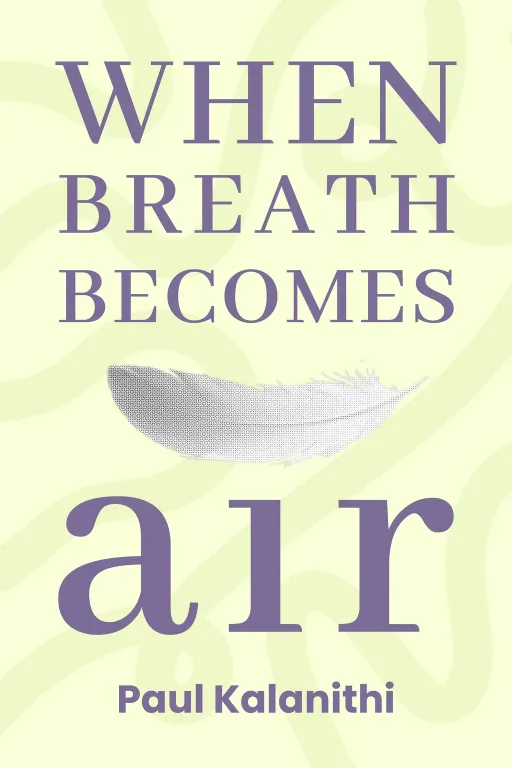
When Breath Becomes Air
Paul Kalanithi
A deeply moving and unforgettable memoir by a young neurosurgeon facing a terminal diagnosis, exploring questions of life, death, and what it means to live a meaningful life in the face of mortality.
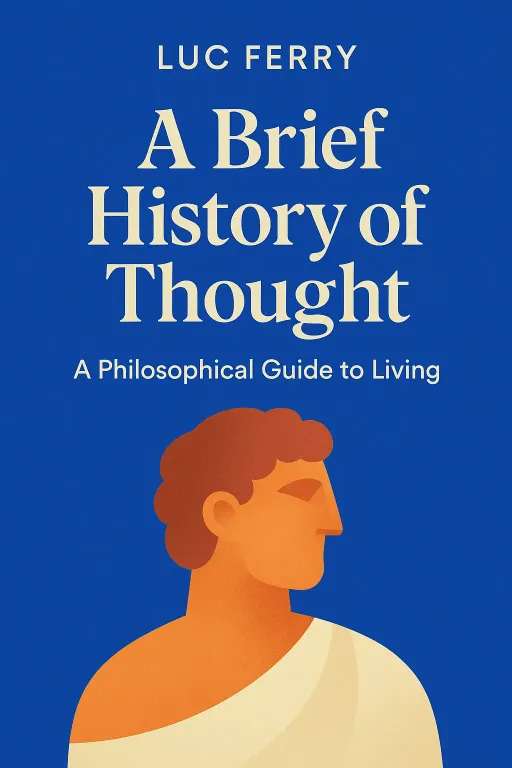
A Brief History of Thought
Luc Ferry
A concise and accessible introduction to the history of philosophy, exploring key thinkers and ideas from ancient Greece to contemporary thought. This book offers a philosophical guide to living, helping readers understand the world and their place in it.
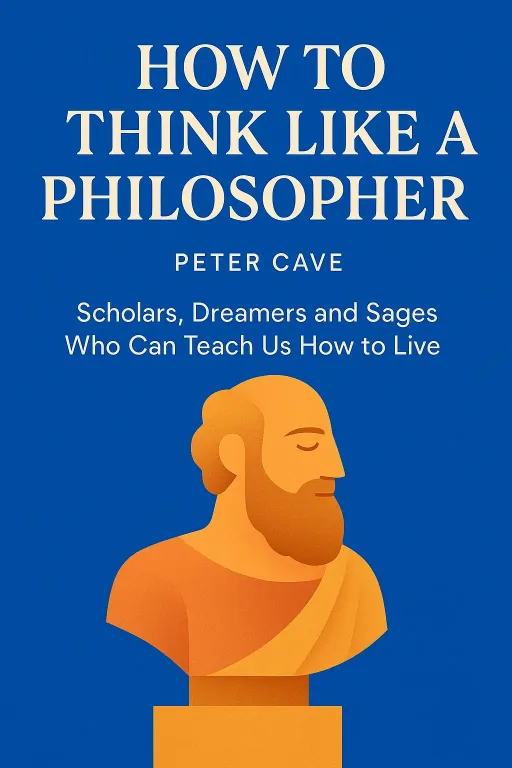
How to Think Like a Philosopher
Peter Cave
Explore the minds of influential philosophers throughout history and discover how their ideas can help us reassess and enrich our own lives. From Lao Tzu to Sappho to Zeno of Elea, this book delves into the thinking of scholars, dreamers, and sages, offering a fresh perspective on how to live a more meaningful human life.