

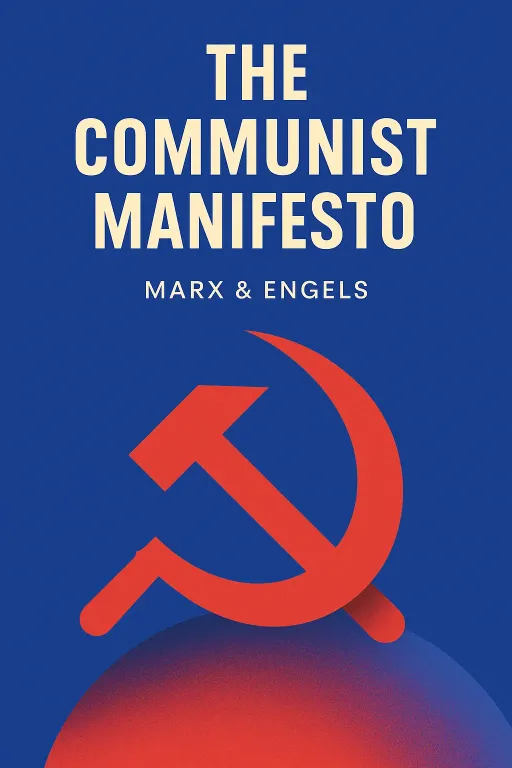
The Communist Manifesto
Marx
A timeless analysis of capitalism and class struggle, The Communist Manifesto offers a critical perspective on society, economics, and the potential for revolutionary change. Explore the core ideas that have shaped political thought and continue to resonate in today's world.
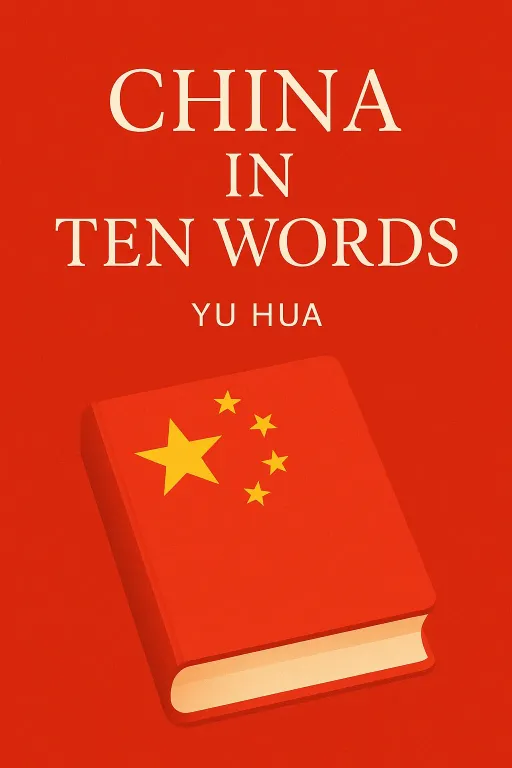
China in Ten Words
Yu Hua
Through ten carefully chosen words, Yu Hua, one of China's most acclaimed contemporary writers, provides a unique and insightful perspective on the dramatic transformations that have shaped modern China. From his personal experiences as a dentist during the Mao era to his observations of the country's rapid economic growth and social changes, Yu Hua offers a compelling narrative that blends personal anecdotes with sharp social commentary, revealing the complexities and contradictions of a nation in constant flux.
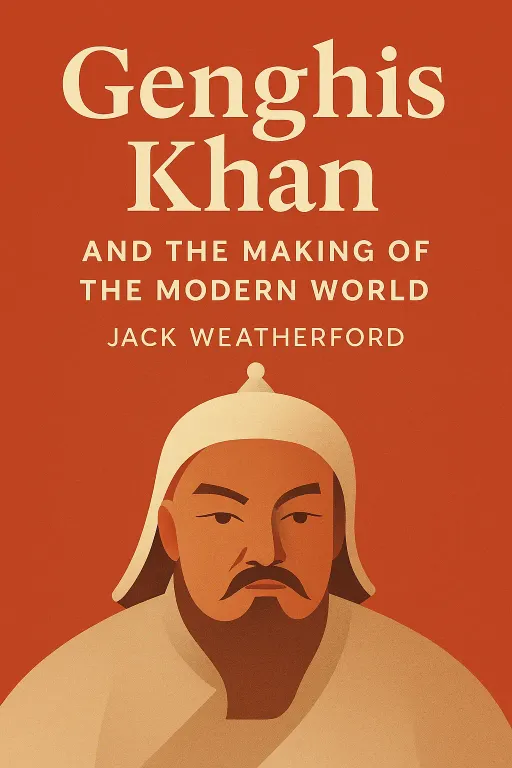
Genghis Khan and the Making of the Modern World
Jack Weatherford
An epic narrative that unveils the profound influence of Genghis Khan and the Mongol Empire on the shaping of the modern world, challenging conventional perceptions and revealing their surprising contributions to global civilization.
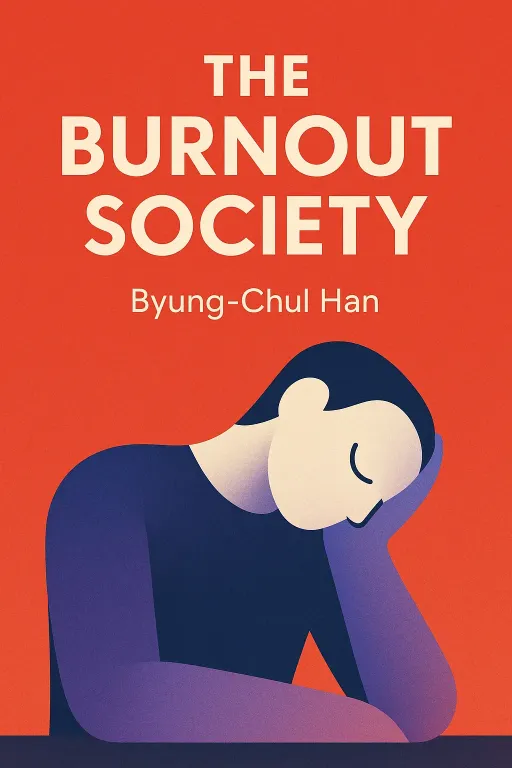
The Burnout Society
Byung-Chul Han
In 'The Burnout Society,' Byung-Chul Han analyzes the societal pressures leading to exhaustion and burnout in the 21st century. He argues that the shift from a disciplinary society to an achievement society has created a culture of self-exploitation, where individuals are both perpetrators and victims. This thought-provoking work explores the violence of positivity and its impact on mental health, offering a critical perspective on contemporary society.
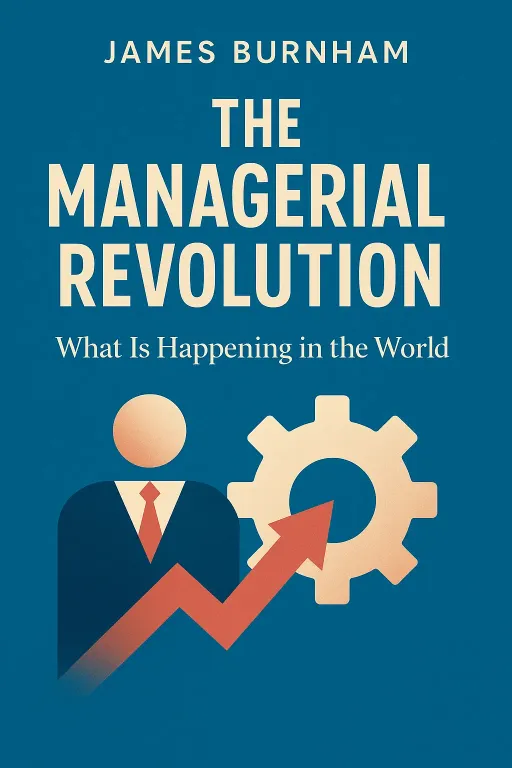
The Managerial Revolution
James Burnham
A groundbreaking analysis of the shift in power from capitalists to managers in the modern world. Burnham argues that a managerial revolution is underway, transforming society and reshaping the global landscape. Discover the forces driving this change and its implications for the future.
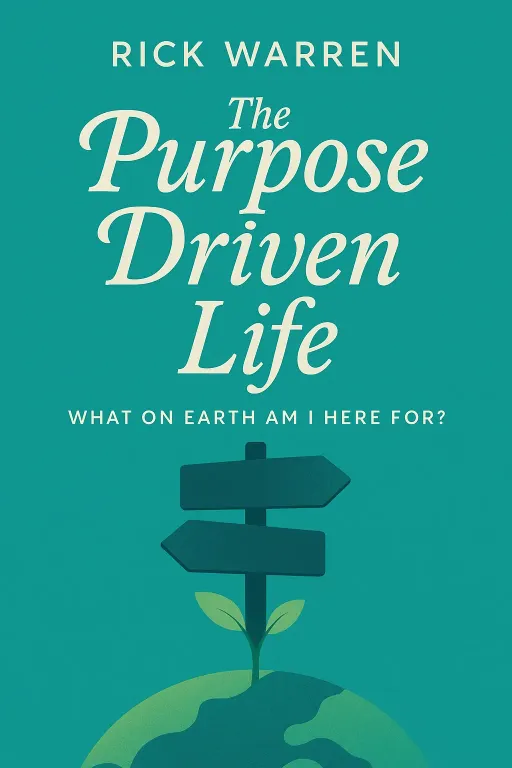
The Purpose Driven Life
Rick Warren
Embark on a transformative 40-day spiritual journey with Rick Warren as he guides you to discover the answer to life's most fundamental question: What on earth am I here for? Uncover God's purpose for your existence, reduce stress, simplify decisions, and prepare for eternity. A journey that promises to change your life forever.
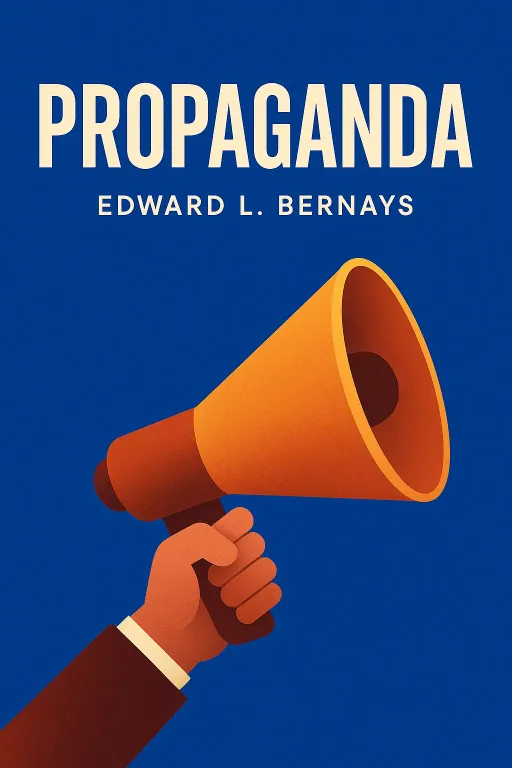
Propaganda
Edward L. Bernays
A groundbreaking exploration of the power of propaganda in shaping public opinion and influencing society. Discover the techniques used to manipulate the masses and understand the hidden forces that govern our world.
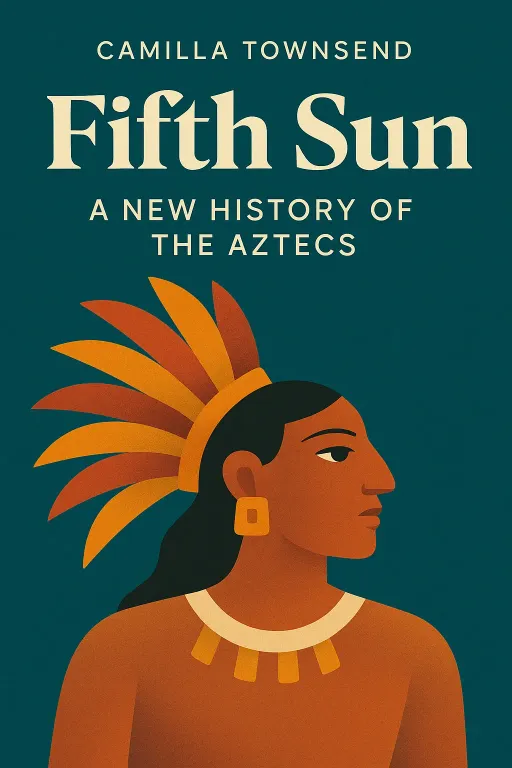
Fifth Sun
Camilla Townsend
A compelling new history of the Aztecs, told through their own voices. Drawing on rarely-consulted indigenous accounts, Camilla Townsend paints a vivid portrait of the Nahua people, from their mythical origins to their complex society and their struggle for survival after the Spanish conquest. Discover the real Aztecs, far more nuanced and resilient than the bloodthirsty stereotypes.