

The Man I Knew
Jean Becker
An intimate portrait of George H.W. Bush's life after the White House, revealing how he rebuilt his life, forged unexpected friendships, and continued to make a difference in the world. Discover the untold stories of his post-presidency journey filled with determination, courage, generosity, and a zest for life.
A Course in Miracles
Helen Schucman
A Course in Miracles is a unique, self-study spiritual thought system that teaches the way to love and forgiveness. It consists of three books: the Text, which presents the theory of the Course; the Workbook for Students, which contains 365 lessons to train your mind; and the Manual for Teachers, which answers questions about the Course's concepts. This combined volume also includes supplements that extend the Course principles.
Be Anxious for Nothing
Joyce Meyer
Discover simple, yet powerful steps to overcome anxiety and cultivate a worry-free life. Drawing from biblical principles and personal experiences, Joyce Meyer offers practical guidance on how to trust God, find peace, and break free from the grip of anxiety. Learn to live in the present, embrace gratitude, and experience the transformative power of faith.
Blended
Michael B. Horn
Blended: Using Disruptive Innovation to Improve Schools by Michael B. Horn and Heather Staker is a practical, hands-on guide to transforming K-12 education through blended learning—the thoughtful mix of in-person teaching and online instruction. Drawing on the theory of disruptive innovation, the authors show how schools can move beyond simply adding technology to traditional classrooms and instead design learning models that put students’ needs and progress at the center of instruction. The book builds on ideas from Disrupting Class and lays out a clear framework for implementing blended learning in real schools. It offers step-by-step guidance for educators, administrators, and school leaders on how to combine digital resources with face-to-face teaching to unlock greater personalization, engagement, and flexibility for students. Along the way, Horn and Staker share practical advice on avoiding common pitfalls, ensuring that technology truly supports learning goals rather than distracting from them. Blended is ideal for anyone involved in education—from classroom teachers to district leaders—who wants insightful, actionable strategies for improving schooling through thoughtful innovation rather than quick fixes.
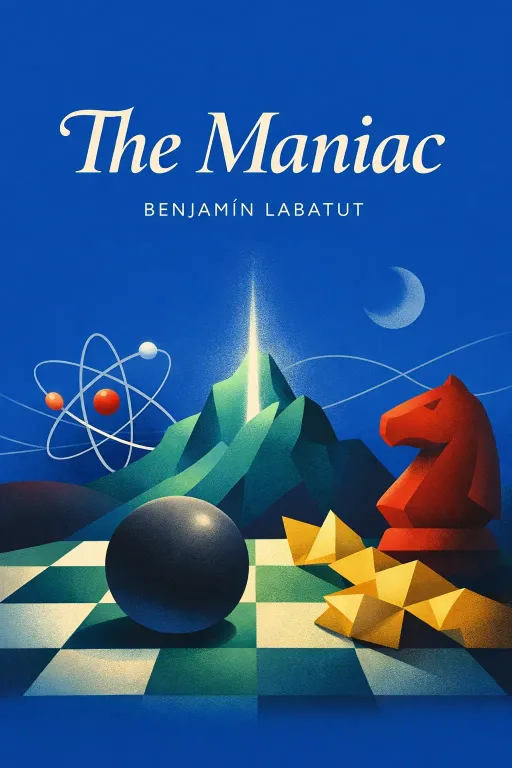
The Maniac
Benjamín Labatut
In 'The Maniac', Benjamín Labatut delves into the lives of brilliant, often troubled, minds who grappled with the profound implications of scientific and mathematical discoveries. From the tragic physicist Paul Ehrenfest, haunted by the rise of Nazism and the 'irrational' turn in physics, to the visionary George Boole, who sought to unlock the mysteries of human thought through mathematics, this book explores the thin line between genius and madness, and the unsettling consequences when human reason confronts its own limits.
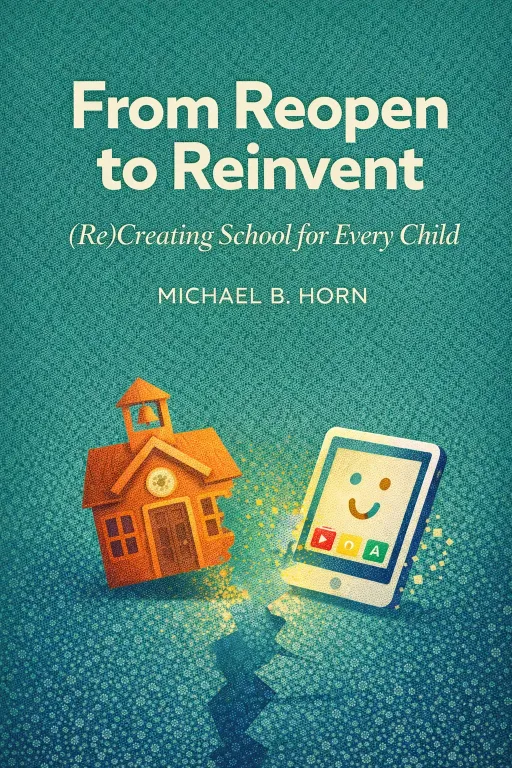
From Reopen to Reinvent
Michael B. Horn
In the wake of unprecedented disruption, 'From Reopen to Reinvent' offers a compelling blueprint for transforming K-12 education. Michael B. Horn argues that the pandemic, while challenging, presents a unique opportunity to dismantle outdated schooling models that fail both disadvantaged and privileged students. Through insightful analysis and practical strategies, this book guides educators, parents, and policymakers toward creating a personalized, mastery-based system that fosters passion, guarantees success, and prepares every child for a fulfilling life in the 21st century.
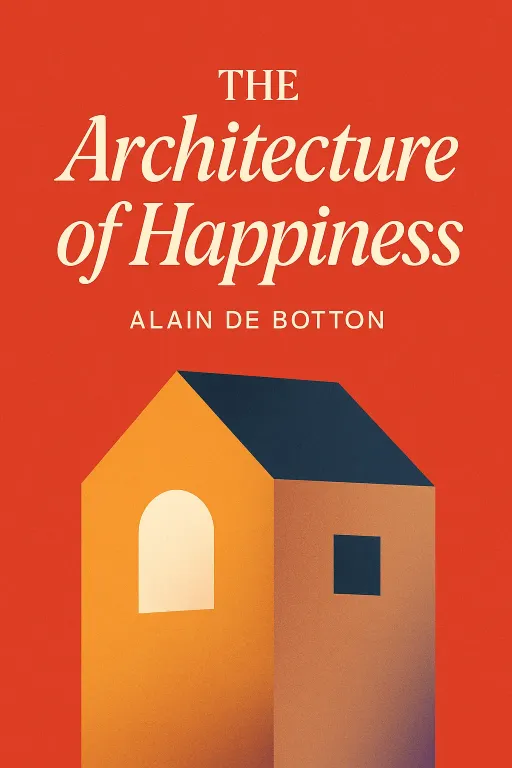
The Architecture of Happiness
Alain de Botton
An exploration of how architecture affects our happiness and well-being, examining the psychological and emotional impact of buildings and design. It delves into the question of what makes a building beautiful and how our surroundings shape our identities and experiences.
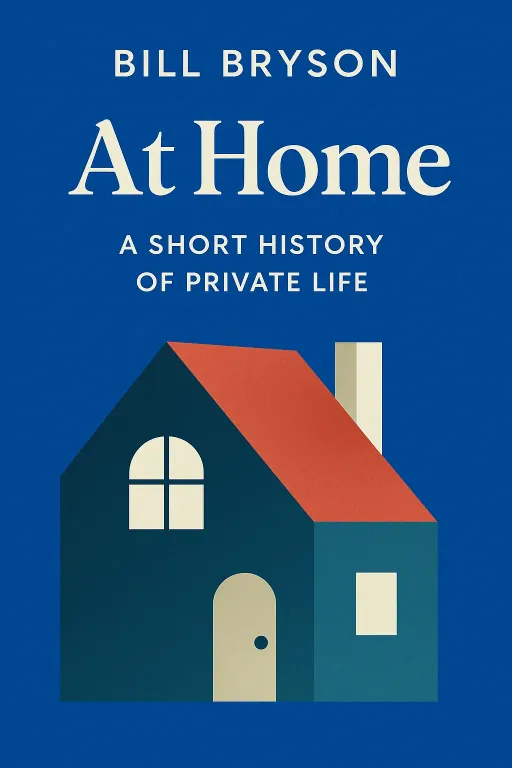
At Home
Bill Bryson
Bill Bryson takes us on a room-by-room journey through the history of the home, revealing the fascinating stories behind everyday objects and customs. From the evolution of cooking to the secrets of the bedroom, Bryson uncovers the hidden history lurking within the walls of our houses, blending humor and historical insight to illuminate the private lives of those who came before us.