

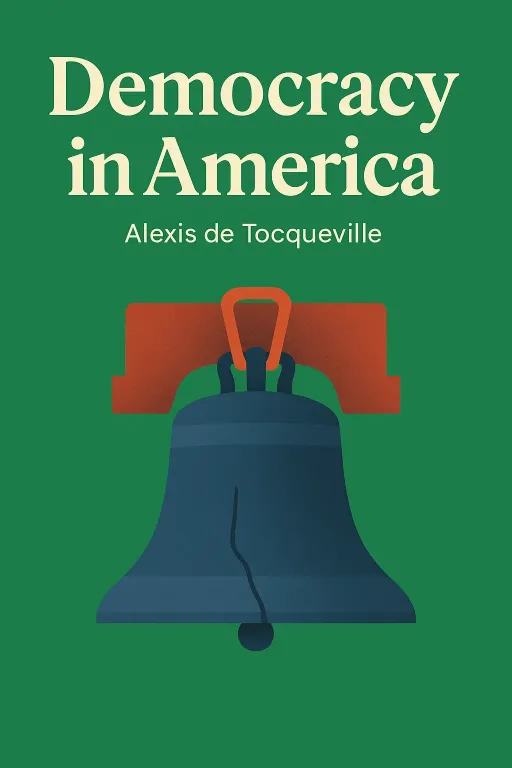
Democracy in America
Alexis De Tocqueville
Alexis de Tocqueville's "Democracy in America" is a profound exploration of American society, politics, and culture in the early 19th century. Tocqueville examines the principles of democracy, equality, and individualism, offering insights into the strengths and potential pitfalls of the American experiment. A timeless analysis of the foundations of modern democracy.
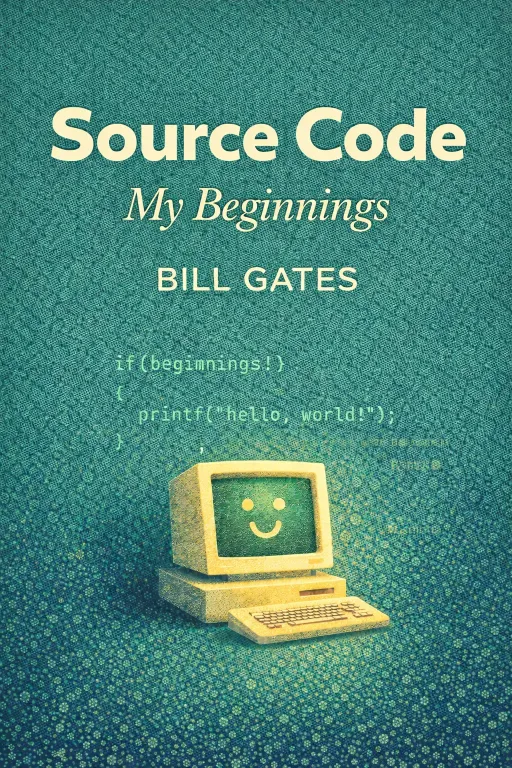
Source Code
Bill Gates
In 'Source Code: My Beginnings,' Bill Gates offers an intimate look into his formative years, revealing the experiences and influences that shaped him long before Microsoft. From challenging hikes in the Pacific Northwest to intense card games with his grandmother and early encounters with computers, Gates traces the origins of his relentless curiosity, competitive spirit, and groundbreaking vision. This memoir delves into his family's unique dynamics, his early struggles with conventional schooling, and the pivotal moments that ignited his passion for programming, ultimately laying the groundwork for a technological revolution.

The Stranger
Albert Camus
In Albert Camus's masterpiece, Meursault, an indifferent Algerian, attends his mother's funeral and becomes entangled in a senseless act of violence. This existential novel explores themes of alienation, morality, and the absurdity of life, challenging societal norms and forcing readers to confront the meaninglessness of existence.
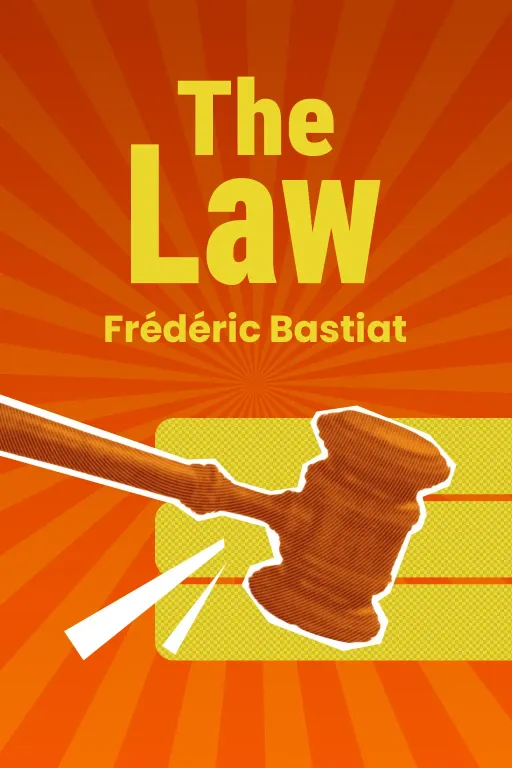
The Law
Frederic Bastiat
A timeless exploration of the role of law in society, Frederic Bastiat's "The Law" delves into the dangers of legal plunder and the perversion of justice. Bastiat champions individual liberty, property rights, and limited government, warning against the seductive allure of socialism and the abuse of state power. Discover the principles of a just and enduring society in this concise yet profound treatise.
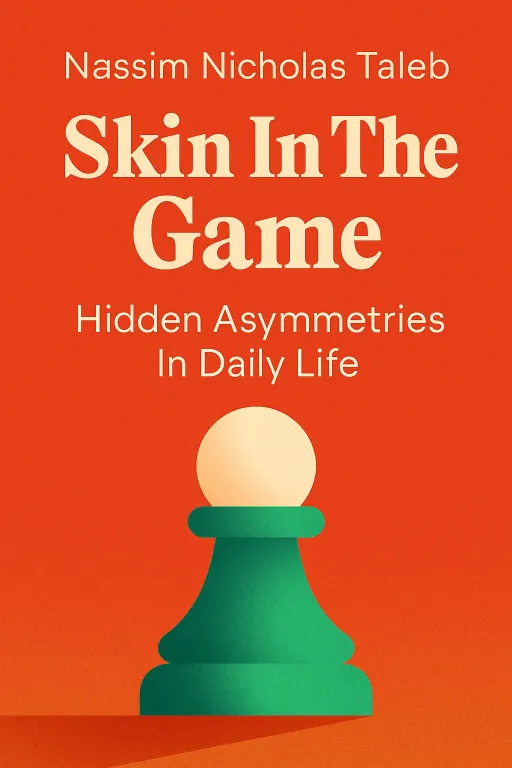
Skin in the Game
Nassim Nicholas Taleb
"Skin in the Game" is the fifth volume in the Incerto series by Nassim Nicholas Taleb. It serves as the practical application of his previous ideas on risk and uncertainty. The central thesis is that a system can only function properly if the decision-makers bear the consequences of their choices. Taleb argues that symmetry is the foundation of justice and rationality. The book is a scathing critique of the modern interventionista class. Taleb attacks bureaucrats, bankers, and pundits who transfer the downside of their risks to the tax-paying public while keeping the upside for themselves. He labels this group the Intellectual Yet Idiot or IYI. These are people who understand the theory of the world but have no tangible stake in its reality. Taleb also introduces the Silver Rule. Unlike the Golden Rule which tells you to treat others as you want to be treated, the Silver Rule commands that you do not treat others the way you would not like them to treat you. It is a negative constraint designed to prevent harm. The book ultimately asserts that you should never trust the advice of anyone who does not have something to lose if they are wrong.

Unbroken
Laura Hillenbrand
A biography of Louis Zamperini, an Olympic runner whose life took a harrowing turn when he became a bombardier in World War II. After his plane crashed in the Pacific, he survived weeks at sea, only to be captured by the Japanese. This is a story of survival, resilience, and the strength of the human spirit in the face of unimaginable adversity.
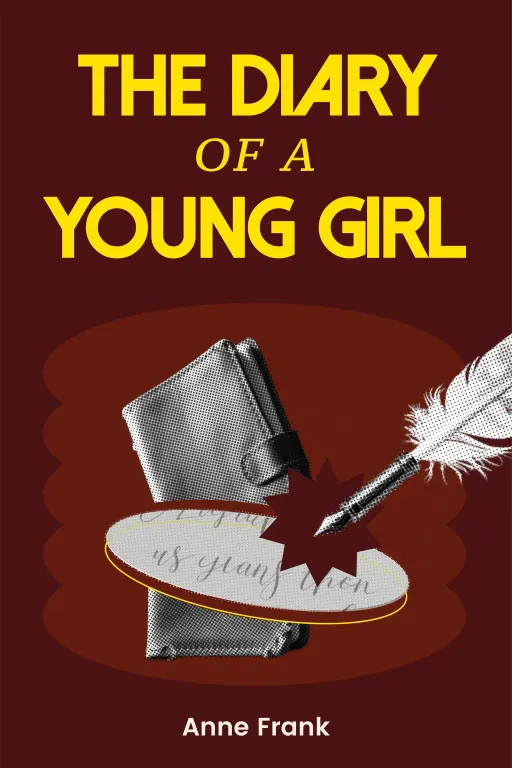
The Diary of a Young Girl
Anne Frank
Experience the world through the eyes of Anne Frank, a young Jewish girl hiding from the Nazis during World War II. Her diary offers a poignant and intimate glimpse into her hopes, fears, and dreams as she navigates adolescence in the face of unimaginable adversity. This definitive edition includes expanded content, providing even greater insight into Anne's world and the people who shared her secret annex.
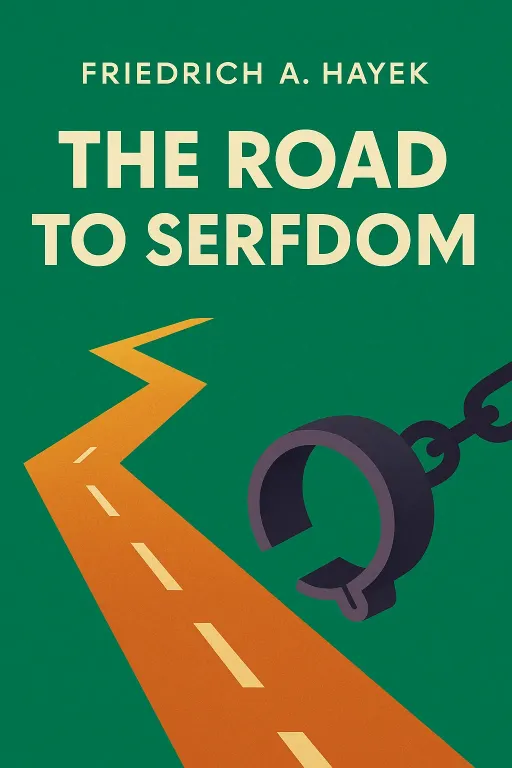
The Road to Serfdom
Friedrich A. Hayek
The Road to Serfdom by Friedrich A. Hayek is a landmark work in political and economic thought that warns about the risks of central economic planning and its impact on individual freedom. Written during World War II and first published in 1944, Hayek argues that well-intentioned efforts to organize an economy through government control can unintentionally strip away personal liberties and pave the way for authoritarian rule. Hayek traces how socialist and collectivist policies—promoted as paths to equality and security—can require ever-greater state intervention, erode democratic institutions, and concentrate power in the hands of a few. He draws connections between centralized planning and the rise of totalitarian regimes, while contrasting this with the benefits of individual choice and market-based coordination. The Road to Serfdom remains a foundational text in classical liberal and free-market thought, influential across economics, political philosophy, and public policy debates about the balance between government action and personal liberty.