

Technology & Science
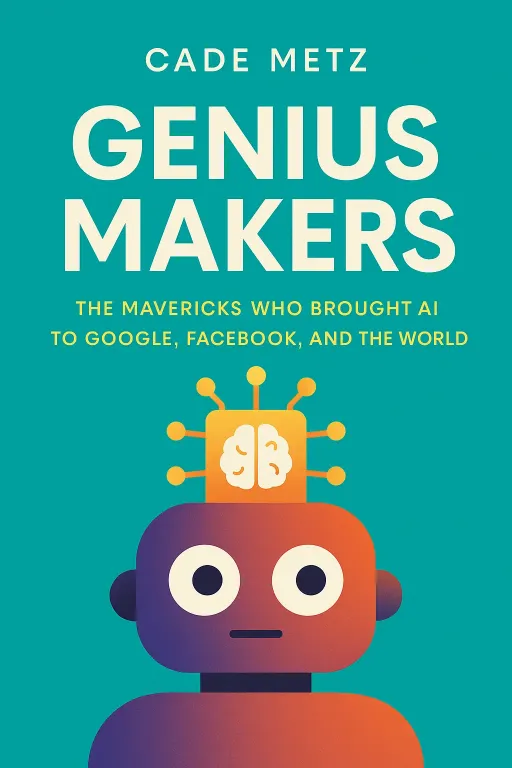
Genius Makers
Cade Metz
"Genius Makers" is the definitive human history of the current artificial intelligence boom. Written by New York Times technology correspondent Cade Metz, the book shifts the focus from the algorithms to the eccentric scientists who created them. It tells the story of how a small group of researchers, often dismissed as cranks, persisted with a fringe idea called Deep Learning until it eventually conquered the world. The narrative centers on the "Godfathers of AI"—Geoffrey Hinton, Yann LeCun, and Yoshua Bengio. For decades, the academic establishment believed that true intelligence would come from logic and rules. These three men believed it would come from neural networks that mimicked the human brain. Metz chronicles their long years in the wilderness during the "AI Winter" and their vindication in 2012, when a neural network shattered records at the ImageNet visual recognition competition. This breakthrough triggered a high-stakes corporate arms race. The book vividly details the multi-million dollar bidding war where Google, Microsoft, and Baidu fought to acquire Hinton and his students. "Genius Makers" reveals that the modern AI revolution was not just a scientific inevitability, but a result of personality clashes, corporate maneuvering, and the stubborn belief of a few brilliant individuals.
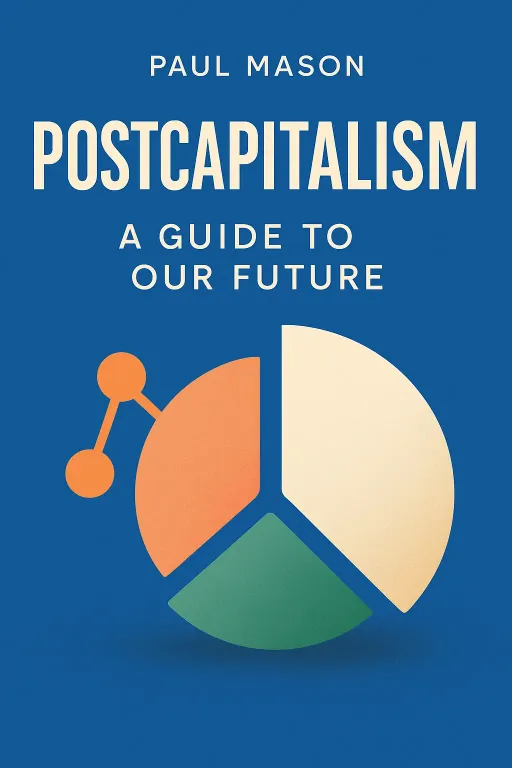
Postcapitalism
Paul Mason
A compelling exploration of how information technology is reshaping capitalism and paving the way for a postcapitalist future. Paul Mason analyzes the inherent contradictions of neoliberalism, the rise of collaborative production, and the potential for a new economic model that prioritizes sustainability, equality, and human freedom. Discover the forces driving this transformation and the challenges that lie ahead in this thought-provoking guide to our future.
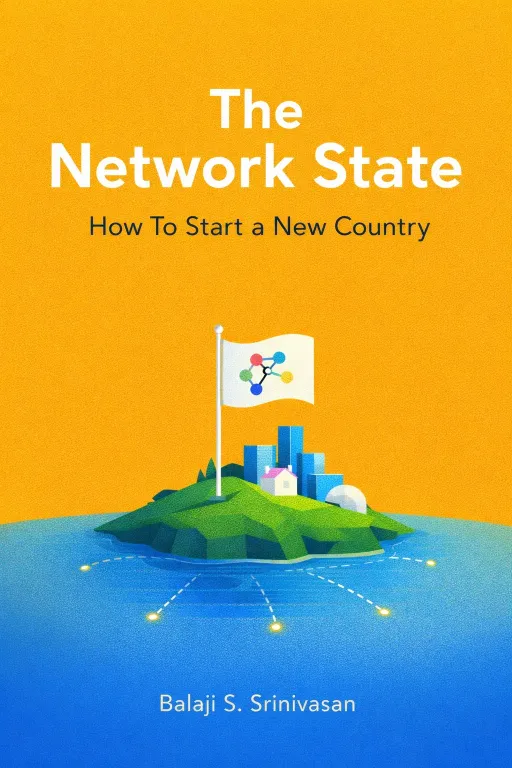
The Network State
Balaji Srinivasan
"The Network State" explores the concept of building new societies in the digital age, offering an alternative to traditional nation-states. The book examines history, technology, and moral philosophy to lay the groundwork for understanding and creating these "network states." It posits that focused moral innovation is key to building parallel societies that offer opt-in alternatives to existing systems. Readers will learn about the evolving global landscape and the potential for a tripolar world dominated by traditional power structures and decentralized networks. The book delves into the historical context of nation-states, contrasting them with the emerging paradigm of network states and their operational characteristics. It also explores possible future trajectories, considering the impact of decentralization and recentralization in a multi-actor world. Ultimately, "The Network State" presents a vision for a future where individuals can opt into societies aligned with their values, enabled by technological advancements and a new understanding of social organization.
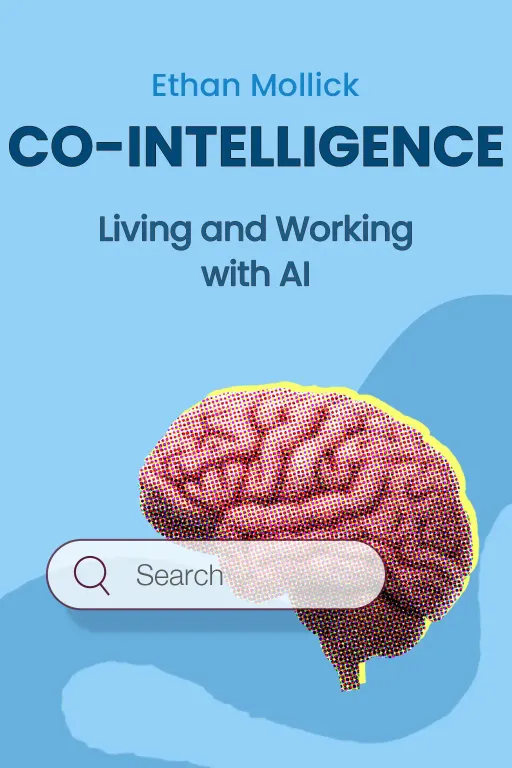
Co-Intelligence
Ethan Mollick
"Co-Intelligence" is a pragmatic and accessible guide to the AI revolution written by Ethan Mollick, a professor at the Wharton School. Unlike many theorists who speculate about the distant future, Mollick focuses entirely on the messy, practical present. He argues that AI is not merely a new tool like a calculator or a search engine, but a distinct form of "alien" intelligence that acts more like a talented but erratic intern. Mollick urges readers to stop treating AI as software that follows clear instructions and start treating it as a coworker. The book centers on the concept of the "Jagged Frontier." This theory explains that AI capabilities are uneven. It can pass the Bar Exam in the 90th percentile yet fail at simple arithmetic or basic logic puzzles. Because this frontier is invisible and constantly shifting, the only way to understand what the AI can do is to use it relentlessly for everything. The book outlines four principles for working with AI, emphasizing that humans must remain the "human in the loop." Mollick categorizes users into two types: Centaurs, who divide tasks clearly between human and machine, and Cyborgs, who integrate their workflow so deeply with AI that the line blurs. "Co-Intelligence" is a call to action to experiment, inviting us to invite AI to the table before we are left behind.
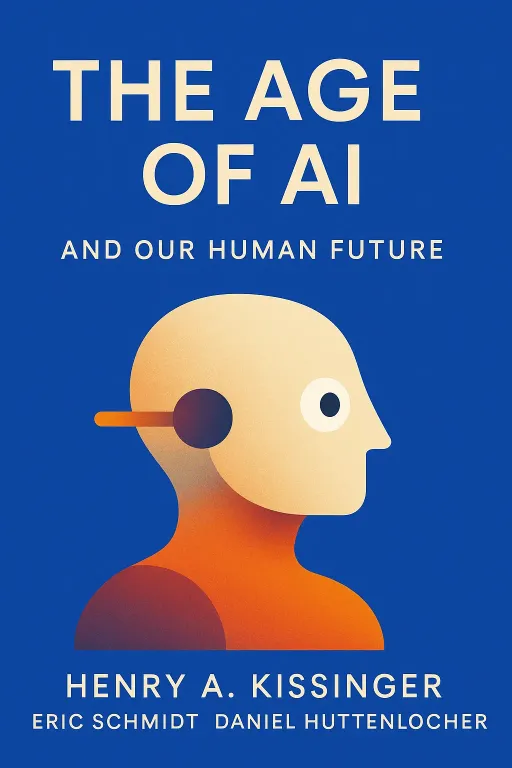
The Age of AI
Henry A. Kissinger
A thought-provoking exploration of artificial intelligence and its profound implications for the future of humanity. Examining the ways AI is reshaping our world, from healthcare to warfare, and raising fundamental questions about human identity, knowledge, and our relationship with reality.
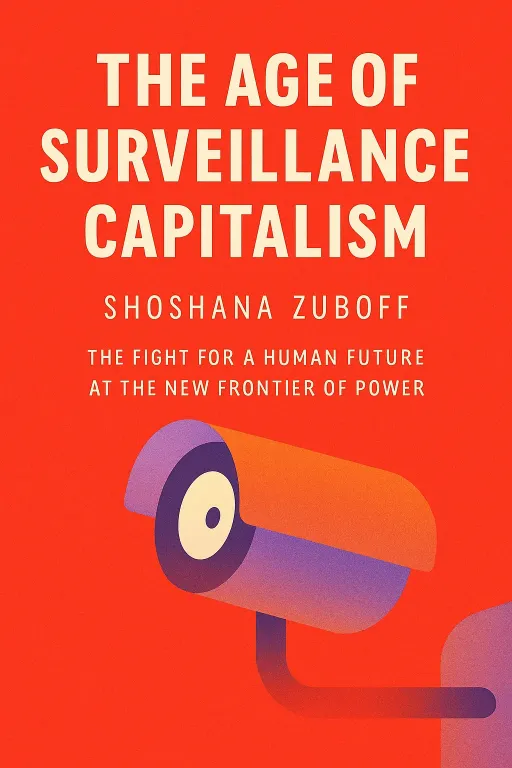
The Age of Surveillance Capitalism
Shoshana Zuboff
A groundbreaking exploration of the unprecedented power of surveillance capitalism and the quest for a human future. It unveils how tech companies are using our personal data to predict and manipulate our behavior, posing a profound threat to individual autonomy and democratic values.
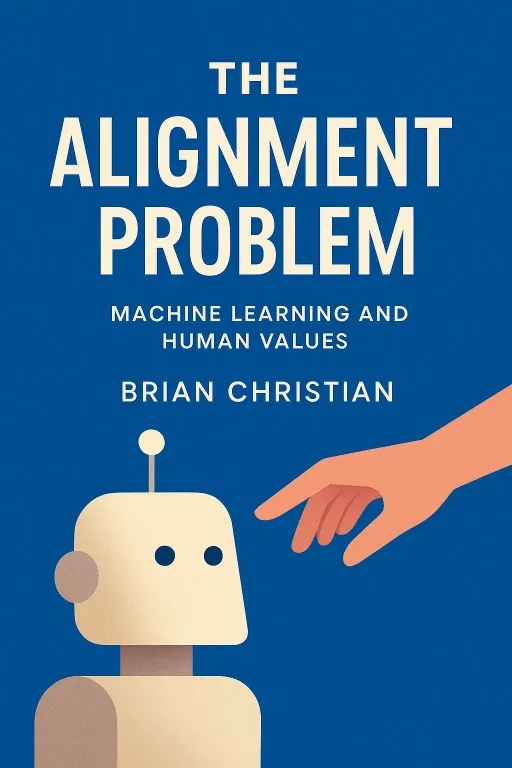
The Alignment Problem
Brian Christian
"The Alignment Problem" is a deeply researched and humanistic look at the most critical challenge in AI development. Written by bestselling author Brian Christian, the book serves as a history of the field of AI safety. It moves beyond the sci-fi fear of killer robots to address the real and present danger of systems that are competent but misaligned with human values. Christian defines the core issue as the gap between our complex human goals and the rigid mathematical models we use to train machines. He illustrates this with vivid examples from the real world, such as facial recognition software that fails to see dark skin or hiring algorithms that discriminate against women. The book argues that these are not just glitches but fundamental failures in how we define what we want machines to learn. The book explores how researchers are attempting to bridge this gap. They are moving away from giving machines rigid instructions and instead teaching them to be uncertain, humble, and capable of learning values by observing human behavior. "The Alignment Problem" suggests that in trying to teach machines to be good, we are being forced to confront the difficult task of defining what it actually means to be human.
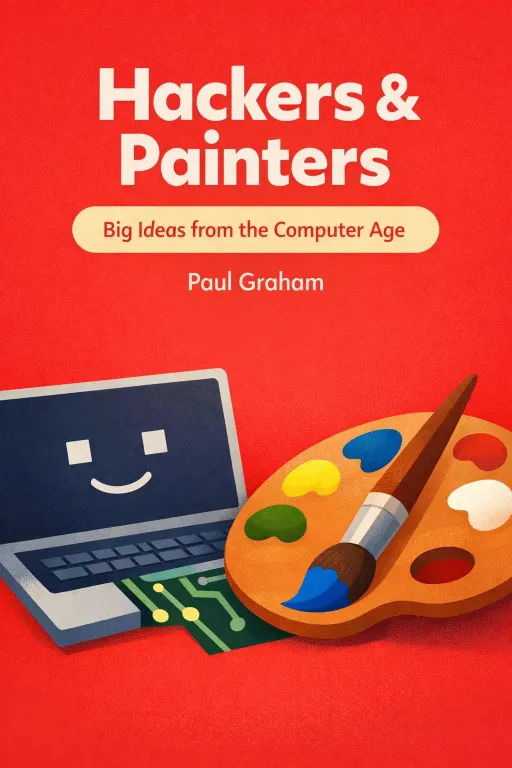
Hackers and Painters
Paul Graham
"Hackers and Painters" is a collection of provocative essays by Paul Graham, the programmer, essayist, and co-founder of the startup accelerator Y Combinator. The book challenges the traditional view of computer science as a cold and mathematical discipline. Graham argues that hacking—the act of writing code—is not primarily a science but an art form. He draws a direct parallel between hackers and painters, suggesting that both are makers who learn by doing and create something beautiful from a blank canvas. The essays cover a wide range of topics that explain the culture of the internet age. Graham tackles why nerds are unpopular in high school, arguing that they play a different game than the status-seeking popularity contest of their peers. He also explores the economics of wealth creation. He dismantles the fixed-pie fallacy, which is the mistaken belief that making money takes it away from someone else, and instead argues that wealth can be created out of thin air through innovation. One of the most famous concepts in the book is the Blub Paradox. This theory explains why programmers often fail to recognize the superiority of languages more powerful than the one they currently use. Graham suggests that looking down at less powerful languages is easy, but looking up at more powerful ones is impossible without learning them first. "Hackers and Painters" is a manifesto for independent thinking, urging readers to embrace heresy and design the future rather than just study the past.