

Technology & Science
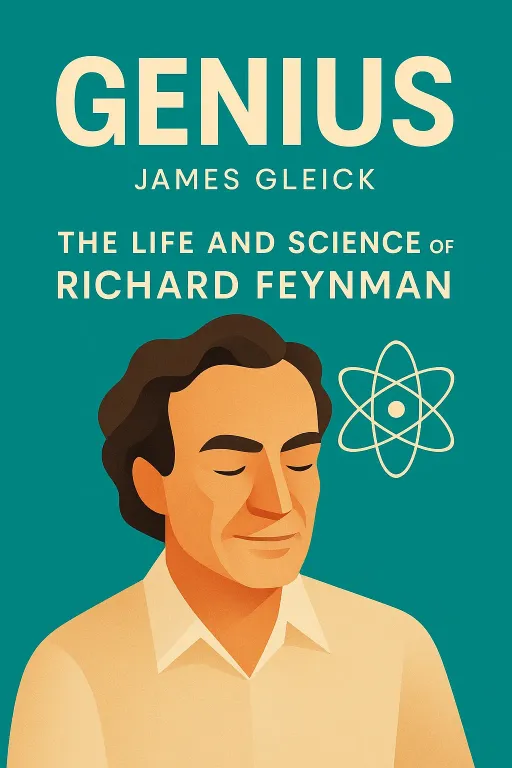
Genius
James Gleick
Explore the life and groundbreaking scientific contributions of Richard Feynman, the brilliant, iconoclastic physicist who reshaped our understanding of the universe. From his pivotal role in the Manhattan Project to his Nobel Prize-winning work on quantum electrodynamics, delve into the mind of a true genius and discover the man behind the science.
Lifespan
David A. Sinclair
A groundbreaking and provocative exploration of the science of aging, and how we can slow or even reverse the aging process to live longer, healthier lives. Drawing on decades of research, this book challenges conventional wisdom and offers a bold vision for the future of humanity.
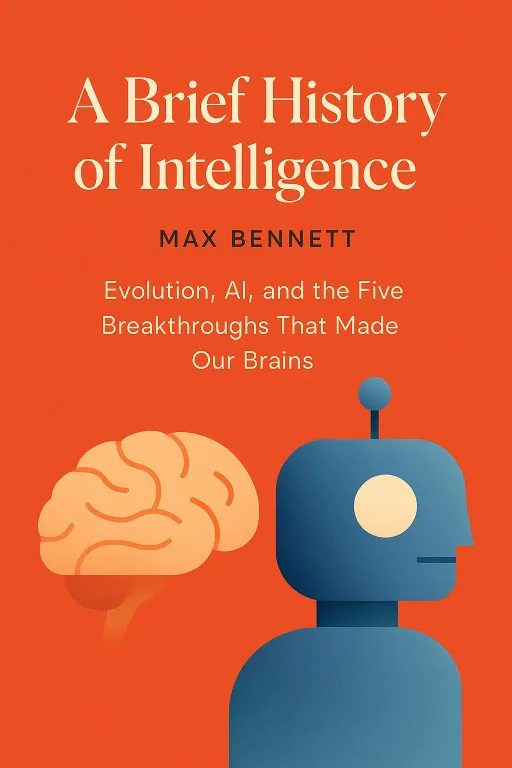
A Brief History of Intelligence
Max Bennett
Explore the evolution of intelligence from the first brains to modern AI. This book uncovers the five major breakthroughs that shaped the human brain, drawing parallels between neuroscience and artificial intelligence. Discover how understanding the brain's evolutionary journey can provide insights into creating human-like AI and understanding the nature of human intelligence itself.
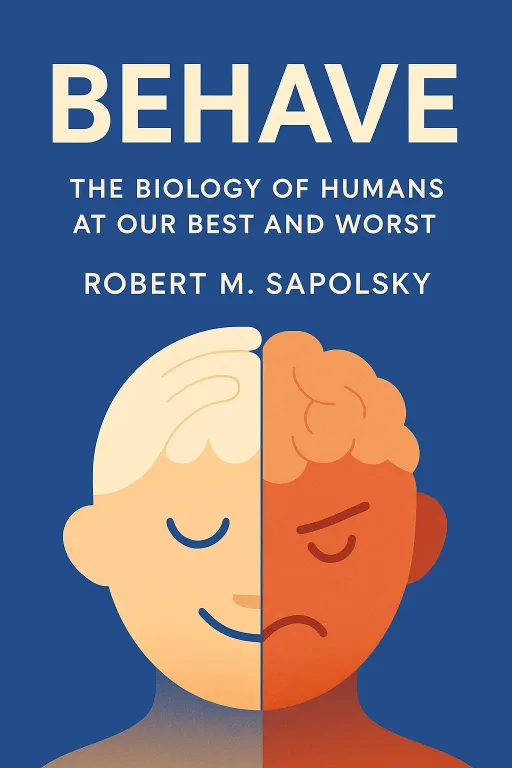
Behave: The Biology of Humans at Our Best and Worst
Robert M. Sapolsky
"Behave" is a magisterial synthesis of human behavior, written by Stanford neurobiologist and primatologist Robert Sapolsky. It attempts to answer a single, massive question: Why do we do the things we do? Sapolsky rejects the idea that any single factor—be it a gene, a hormone, or a childhood trauma—can explain our actions. Instead, he offers a nuanced, multifactorial explanation rooted in the phrase: "It depends." The book is structured as a reverse-chronological journey through time. To explain a specific behavior (like pulling a trigger or touching an arm), Sapolsky looks at what happened in the brain one second before (neurobiology), what happened minutes before (sensory cues), hours before (hormones), and years before (adolescent development). He continues peeling back the layers to centuries past (cultural ancestors) and millennia past (evolutionary pressures). By connecting these disparate threads, Behave dismantles simplistic ideas about "nature vs. nurture." It is a humorous, humane, and incredibly dense exploration of violence, altruism, and the biology of "Us vs. Them," ultimately arguing that while our biology constrains us, it does not condemn us.
The Story of the Human Body
Daniel Lieberman
"The Story of the Human Body" is a sweeping evolutionary history written by Daniel Lieberman, chair of the Department of Human Evolutionary Biology at Harvard. It answers a fundamental question: If natural selection is so powerful, why are we so prone to chronic disease? Lieberman argues that while we have evolved to be upright, endurance-adapted survival machines, we are currently living in an environment for which we were never designed. This concept is known as the "Mismatch Hypothesis." Lieberman explains that our bodies are adapted for the Stone Age—a life of scarcity and intense physical activity. However, cultural evolution (farming, industry, and technology) has moved faster than biological evolution. We now inhabit a world of super-abundant calories and sedentary comfort. The result is a plague of "dysevolution"—diseases like type 2 diabetes, heart disease, and osteoporosis that are rare in hunter-gatherer societies but rampant in the modern world. We evolved to crave sugar and conserve energy because those traits once ensured survival; now, they ensure illness. The Story of the Human Body is a lucid, scientific guide that argues we must change our environment, not just our habits, to align with our evolutionary legacy.
How the World Really Works
Vaclav Smil
"How the World Really Works" is a data-driven reality check on the physical foundations of our modern civilization, written by Vaclav Smil. Smil, a renowned energy scientist and Bill Gates’ favorite author, aims to cure the "magical thinking" that dominates current debates about climate change and the green energy transition. Smil argues that before we can fix the world, we must understand the material realities that sustain it. He identifies the "Four Pillars" of modern life: Ammonia (for fertilizer/food), Steel, Concrete, and Plastics. He demonstrates that our dependence on the fossil fuels required to produce these materials is far deeper than most realize. The book is not a denial of climate change, but a denial of utopian timelines. Smil explains why total decarbonization by 2050 is physically impossible without causing societal collapse. By analyzing everything from globalization to risk assessment, How the World Really Works offers a scientifically grounded, agnostic guide to understanding the massive inertia of our energy systems, arguing that we must balance high ideals with hard numbers.
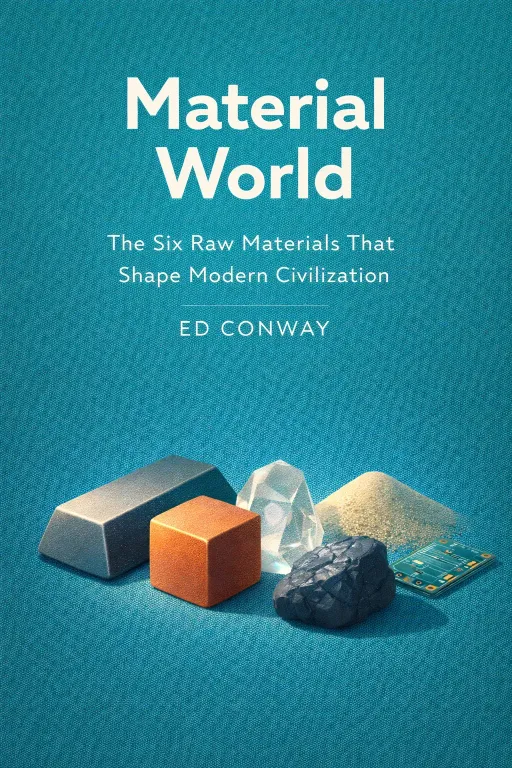
Material World
Ed Conway
Ed Conway's "Material World: A Substantial Story of Our Past and Future" explores the surprising and profound impact of essential materials on human civilization. The book delves into the history, economics, science, and technology surrounding six key substances: sand, salt, iron, copper, oil, and lithium. Each material is examined in detail, revealing its multifaceted nature and its critical role in shaping our past, present, and future. Readers will embark on a journey through time and across industries, discovering how these materials have influenced everything from ancient societies to modern technological advancements and green energy transitions. The book promises to illuminate the hidden connections between these fundamental elements and the course of human history, offering a new perspective on the world around us. By exploring the extraction, properties, and significance of each material, "Material World" provides a comprehensive understanding of their impact on global geopolitics, environmental sustainability, and the future of our planet.
The Information
James Gleick
Acclaimed science writer James Gleick presents an eye-opening vision of how information has transformed the world, tracing a history from the invention of alphabets and the telegraph to the development of information theory and the digital deluge of the modern era. Along the way he profiles the innovators who shaped our understanding of information — from Charles Babbage, Ada Lovelace, and Samuel Morse to Alan Turing and Claude Shannon — and shows how their ideas altered the nature of human knowledge and communication. The Information combines history, biography, and science to explain the rise of the concept of information — its theoretical foundations, practical inventions, and cultural consequences — and examines how we now live amid a flood of data, messages, images, and signals that both empower and overwhelm us.