

Technology & Science
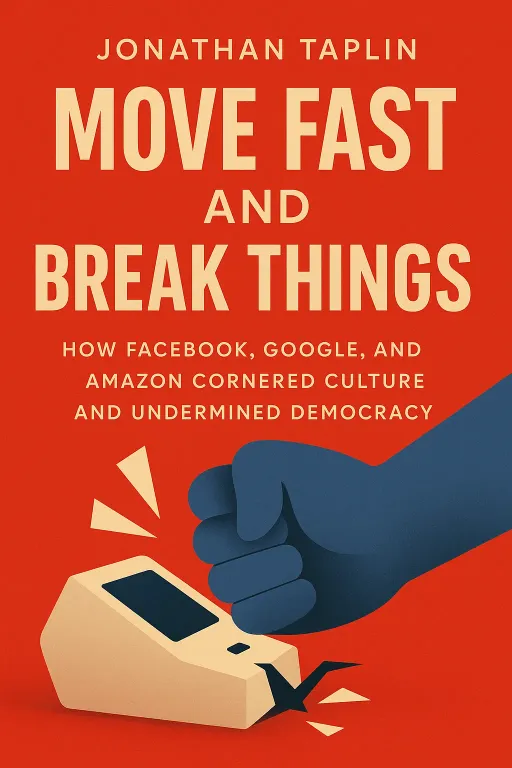
Move Fast and Break Things
Jonathan Taplin
A critical examination of the immense power wielded by tech giants like Facebook, Google, and Amazon, and how their dominance impacts culture, democracy, and the livelihoods of artists and creators. It delves into the libertarian philosophies that underpin these companies and explores the consequences of their unchecked influence on society.
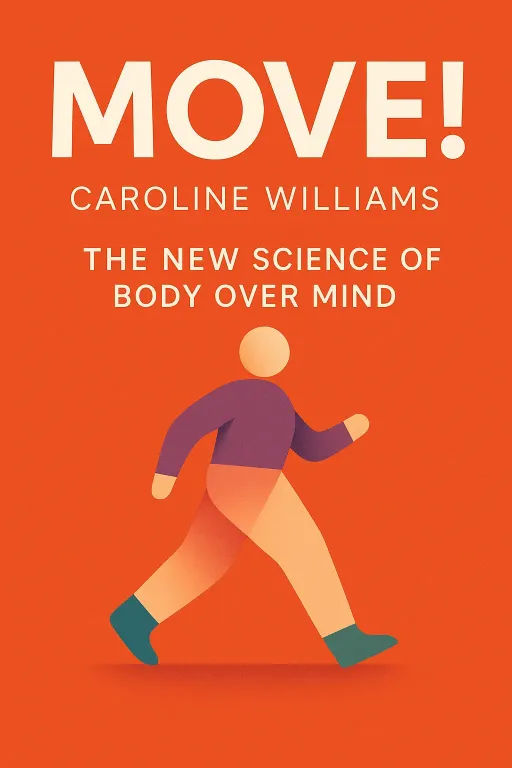
Move! The New Science of Body Over Mind
Caroline Williams
Explore the fascinating science behind how movement affects the mind. From evolutionary biology to neuroscience, discover how physical activity can boost cognitive skills, improve mental health, and unlock your full potential. Learn how to harness the power of movement to transform the way you think and feel.
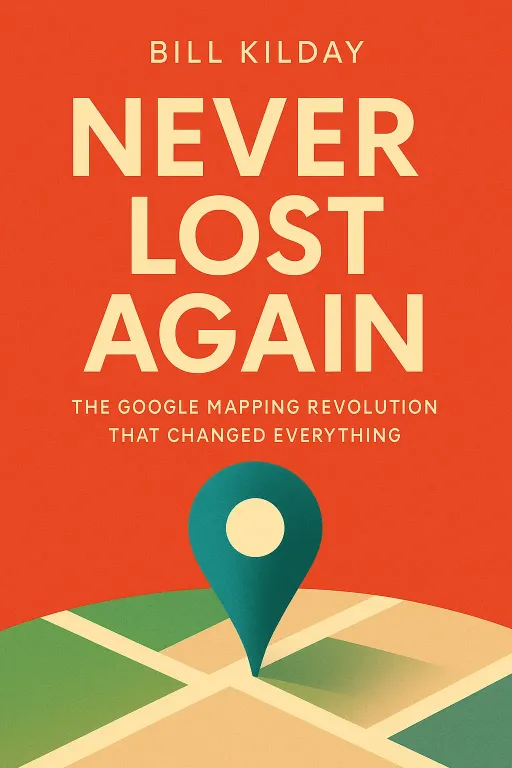
Never Lost Again
Bill Kilday
Discover the untold story of the creation of Google Maps and Google Earth, and the visionaries who revolutionized how we navigate the world. From a scrappy startup to a global phenomenon, this is a tale of innovation, perseverance, and the ambition to map the planet.
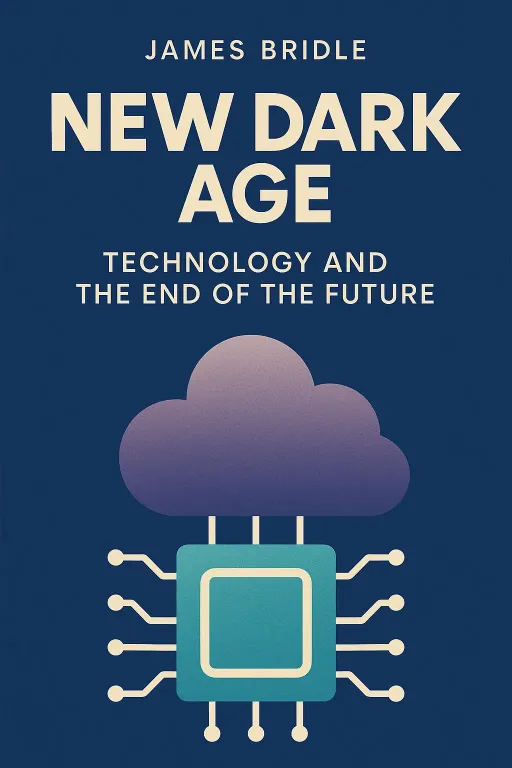
New Dark Age Technology and the End of the Future
James Bridle
In 'New Dark Age,' James Bridle explores the complex relationship between technology, society, and our understanding of the world. Bridle delves into the ways in which technology shapes our thinking, influences our culture, and impacts our future, revealing the potential dangers of our reliance on complex systems and the urgent need for systemic literacy in the face of an uncertain future.
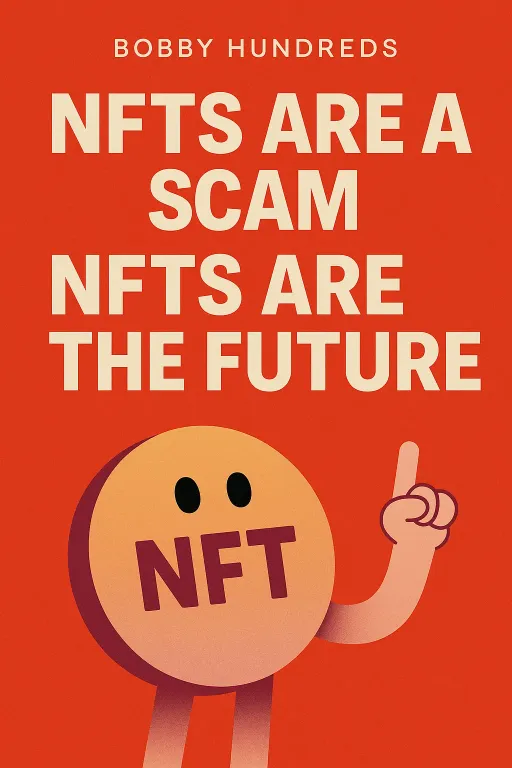
NFTs Are a Scam / NFTs Are the Future
Bobby Hundreds
A time capsule of the Web3 world, exploring the cultural revolution and financial value of digital property. It delves into the controversies, scams, and potential of NFTs, the Metaverse, and blockchain ownership, offering a balanced perspective from a skeptic and early adopter.
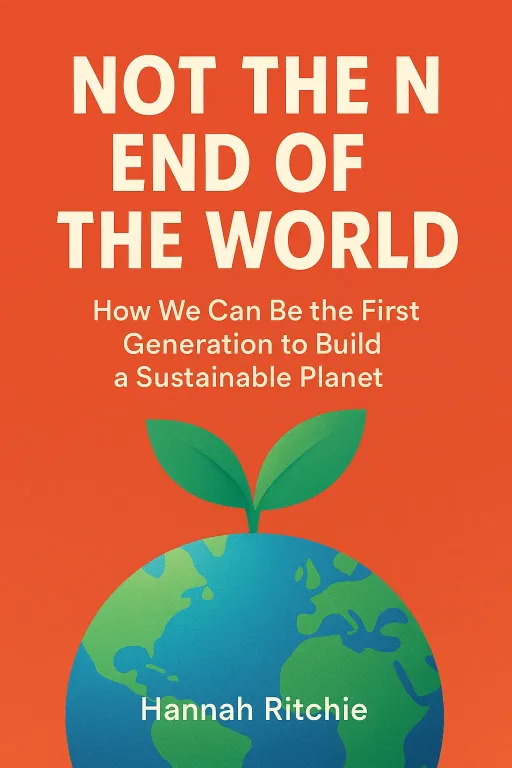
Not the End of the World
Hannah Ritchie
A data-driven and optimistic look at the world's environmental problems, arguing that we are not doomed and that a sustainable future is within reach. It challenges doomsday narratives and offers a path forward by examining key environmental crises and potential solutions.
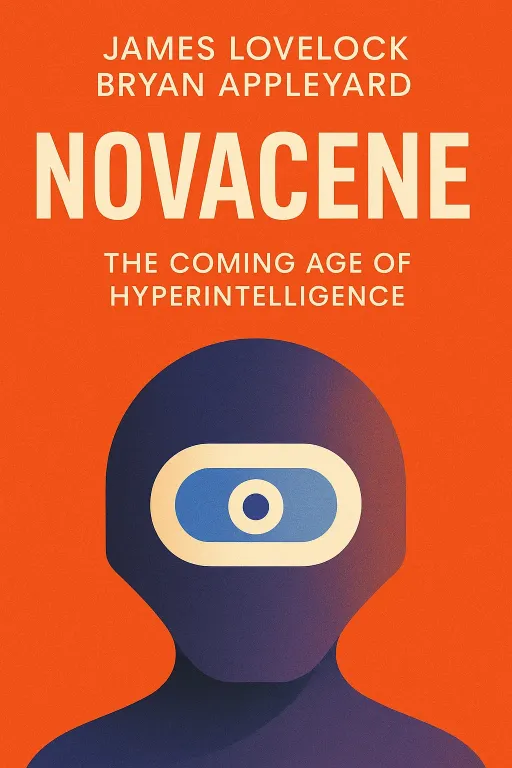
Novacene
James Lovelock
In 'Novacene,' James Lovelock, the visionary behind the Gaia hypothesis, unveils his latest thought-provoking theory about the next geological epoch. He argues that we are on the cusp of the Novacene, an era where technology surpasses human control, giving rise to hyperintelligence. This book explores how humans and machines might collaborate to sustain Gaia, the living Earth, and what this means for the cosmos's self-awareness.
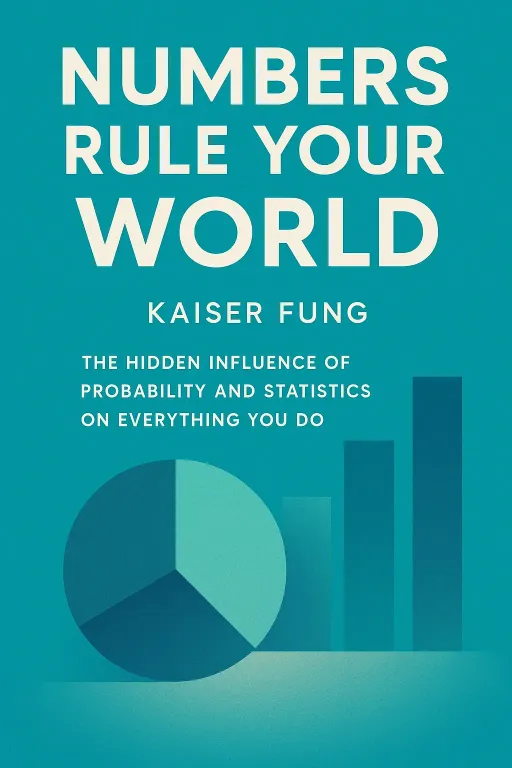
Numbers Rule Your World
Kaiser Fung
Explore the hidden influence of probability and statistics on your everyday life. Discover how numbers shape our world, from traffic flow to theme park queues, and learn how to make better decisions using statistical thinking. Uncover the secrets behind applied science and see how experts use numbers to improve our lives.