

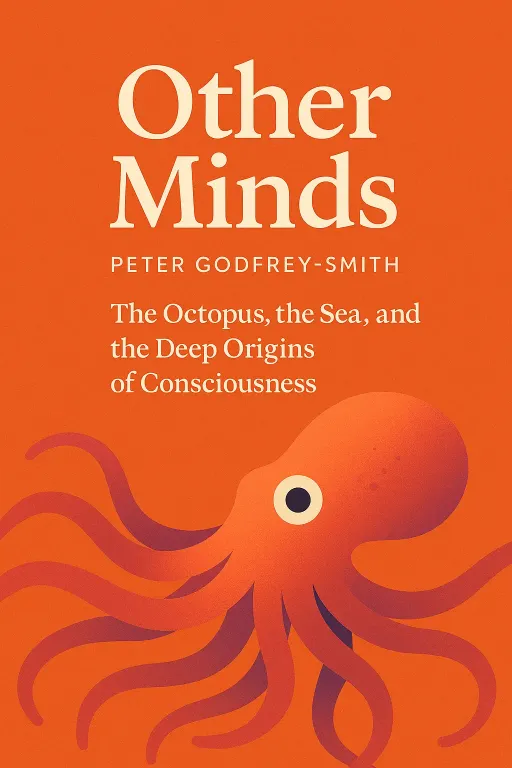
Other Minds
Peter Godfrey-Smith
A captivating exploration into the minds of cephalopods, particularly octopuses, and their unique intelligence. This book delves into the evolutionary origins of consciousness, examining how these fascinating creatures offer a glimpse into the possibility of intelligence arising independently from our own lineage. It bridges philosophy, science, and personal experience to ponder the nature of mind and matter.
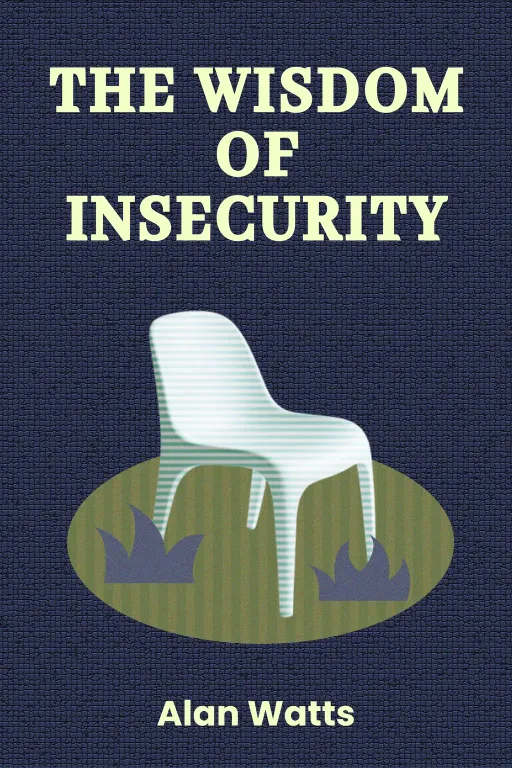
The Wisdom of Insecurity
Alan W. Watts
In 'The Wisdom of Insecurity,' Alan Watts explores the nature of human anxiety and the illusion of seeking security in a constantly changing world. Watts challenges readers to embrace uncertainty and live fully in the present moment, offering a path to psychological and spiritual liberation. A profound exploration of self and existence, this book invites you to question your deepest assumptions and discover a new way of being.
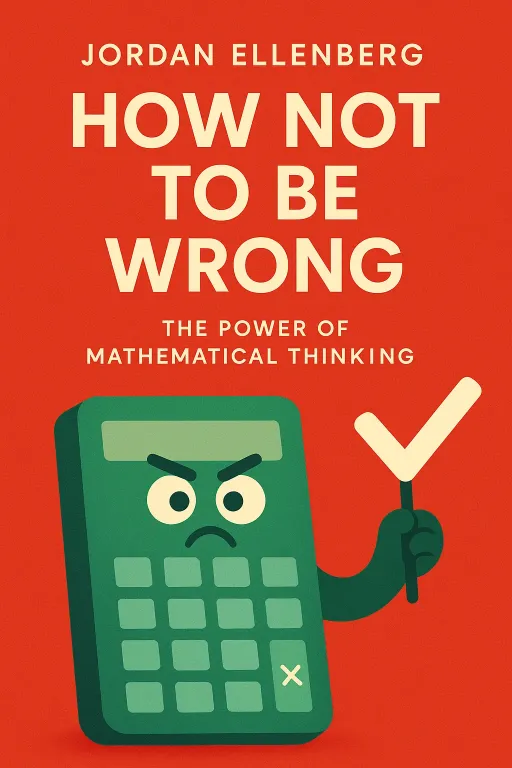
How Not to Be Wrong
Jordan Ellenberg
An enlightening journey into the world of mathematics and its profound impact on our daily lives. From deciphering political rhetoric to making sound financial decisions, this book unveils the hidden mathematical structures that shape our understanding of the world, offering a refreshing perspective on problem-solving and critical thinking.
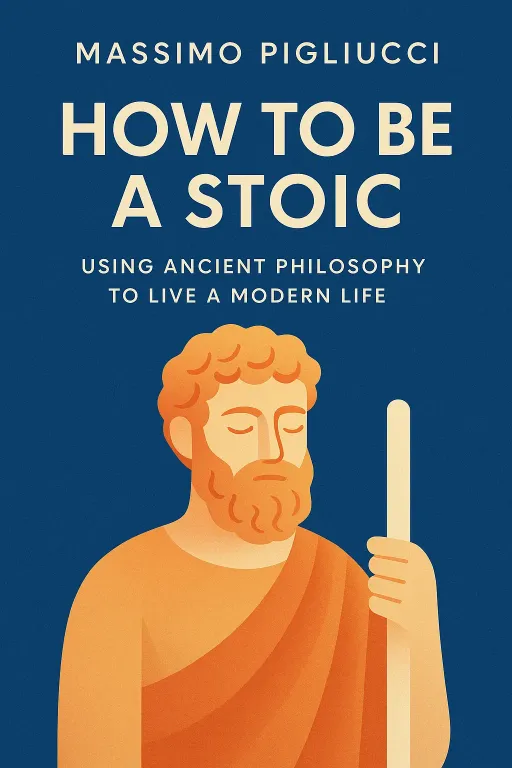
How to Be a Stoic
Massimo Pigliucci
Embark on a transformative journey with Massimo Pigliucci as he explores the timeless wisdom of Stoicism and its practical application to modern life. Through insightful analysis and engaging anecdotes, discover how to cultivate resilience, find tranquility, and live a more meaningful existence by embracing the teachings of ancient philosophers like Epictetus. Prepare to unlock the secrets to navigating life's challenges with grace and wisdom.
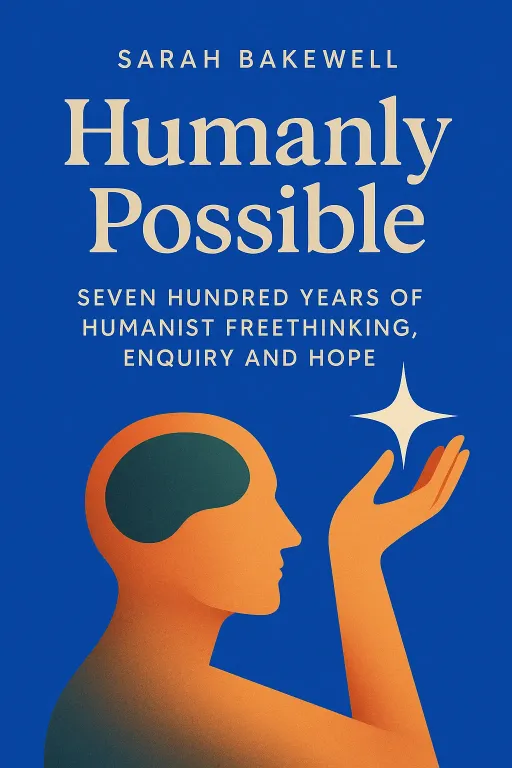
Humanly Possible
Sarah Bakewell
A compelling exploration of humanism through the ages, tracing its evolution from ancient philosophies to modern movements. Discover the key figures who championed freethinking, enquiry, and hope, and how their ideas continue to shape our world.
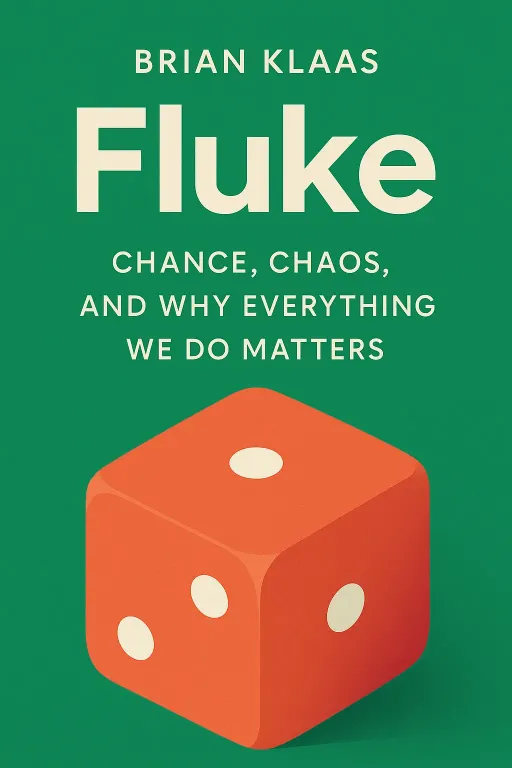
Fluke: Chance, Chaos, and Why Everything We Do Matters
Brian Klaas
A fascinating exploration of how chance, chaos, and seemingly insignificant events shape our lives and societies, challenging our assumptions about control and predictability. From the averted atomic bombing of Kyoto to the serendipitous rescue of a drowning tourist by a soccer ball, Brian Klaas weaves together compelling stories and scientific insights to reveal the profound interconnectedness of our world and the surprising ways in which even the smallest actions can have far-reaching consequences.
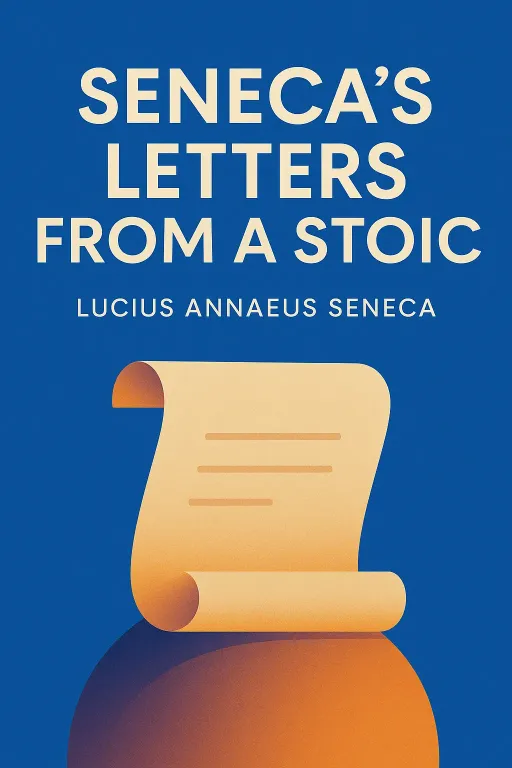
Seneca’s Letters from a Stoic
Lucius Annaeus Seneca
A timeless collection of letters from Seneca, offering profound insights into Stoic philosophy and practical wisdom for living a virtuous and fulfilling life. Explore themes of time, friendship, death, and the pursuit of inner peace in this enduring classic.
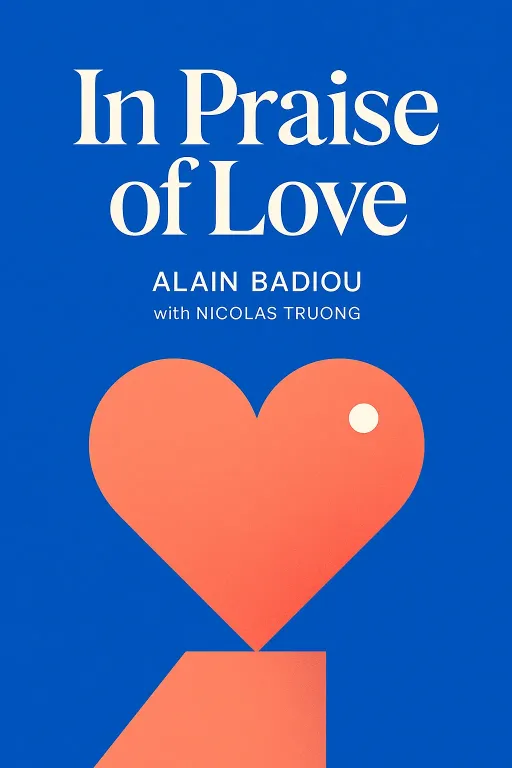
In Praise of Love
Alain Badiou
A profound exploration of love in contemporary society by philosopher Alain Badiou, in conversation with Nicolas Truong. This book challenges conventional notions of love, dissecting its threats and advocating for its reinvention as a force of risk, adventure, and truth.