

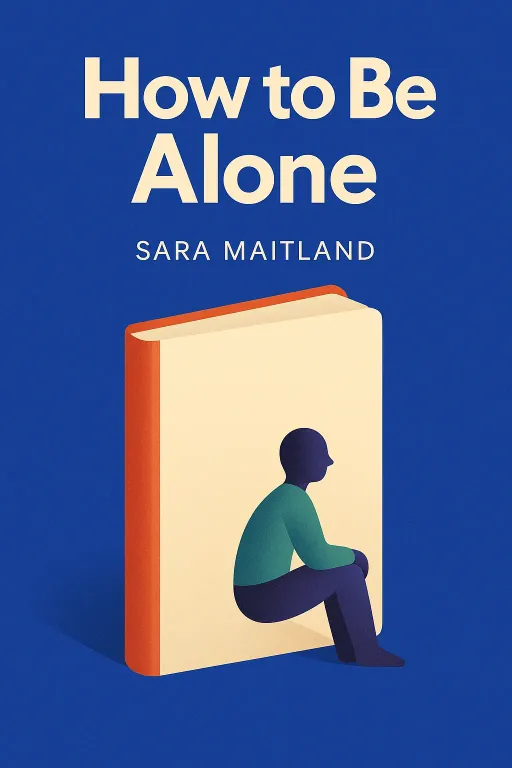
How to Be Alone
Sara Maitland
In an age of constant connectivity, Sara Maitland explores the importance of solitude and how to find happiness without others. She challenges societal fears surrounding being alone and offers strategies for embracing it, revealing the benefits of spending time with oneself for a more enriched and fulfilling life.
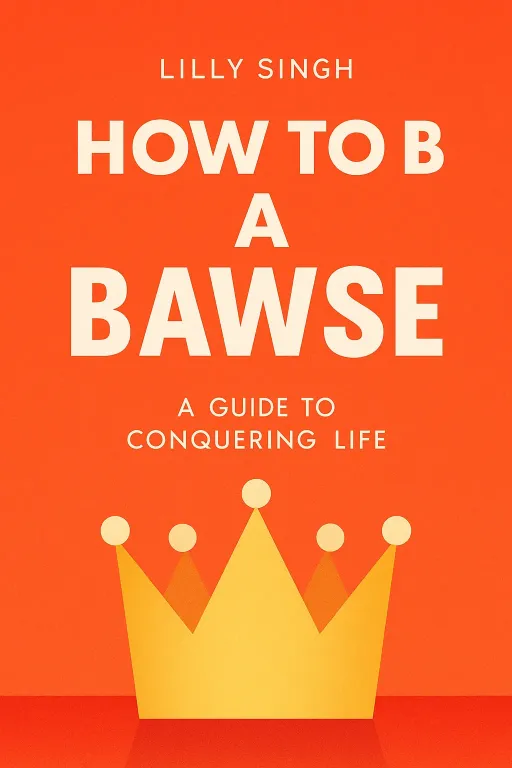
How to Be a Bawse
Lilly Singh
From comedian, actress, and YouTube sensation Lilly Singh (aka Superwoman) comes the definitive guide to becoming a Bawse—a person who exudes confidence, reaches goals, gets hurt efficiently, and communicates effectively. Lilly provides lessons she's learned on her path to success, offering a unique blend of humor and wisdom to help you conquer life.
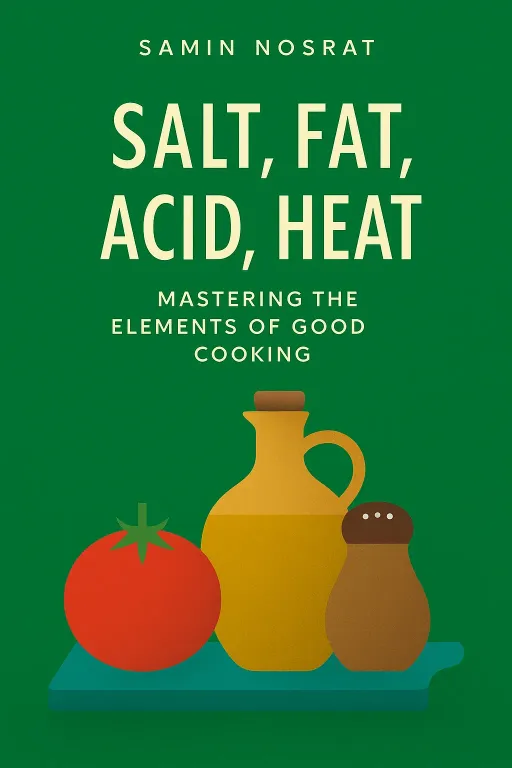
Salt, Fat, Acid, Heat
Samin Nosrat
A revolutionary approach to cooking, Salt, Fat, Acid, Heat teaches you the four key elements that make food delicious. Learn how to master these elements and transform your cooking, creating balanced and flavorful dishes every time.
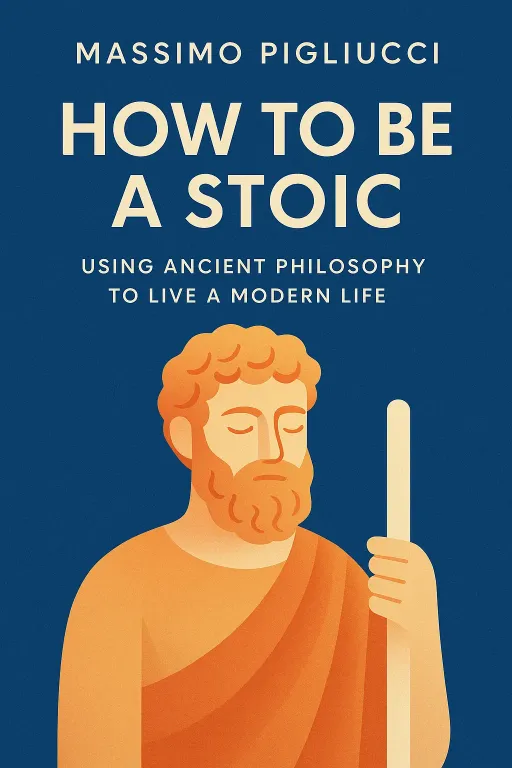
How to Be a Stoic
Massimo Pigliucci
Embark on a transformative journey with Massimo Pigliucci as he explores the timeless wisdom of Stoicism and its practical application to modern life. Through insightful analysis and engaging anecdotes, discover how to cultivate resilience, find tranquility, and live a more meaningful existence by embracing the teachings of ancient philosophers like Epictetus. Prepare to unlock the secrets to navigating life's challenges with grace and wisdom.
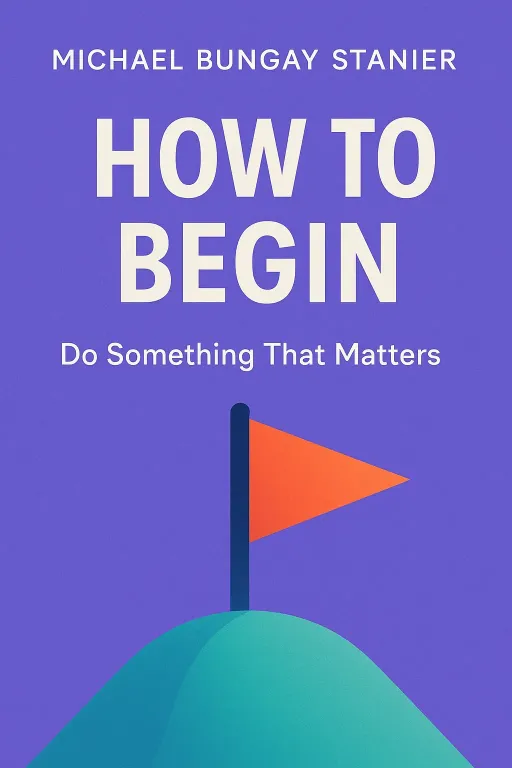
How to Begin
Michael Bungay Stanier
Unlock your potential and make a difference in the world with 'How to Begin.' This book guides you through a process to identify and commit to a 'Worthy Goal' that is thrilling, important, and daunting, helping you overcome fear and resistance to achieve your ambitions and contribute to a better world.
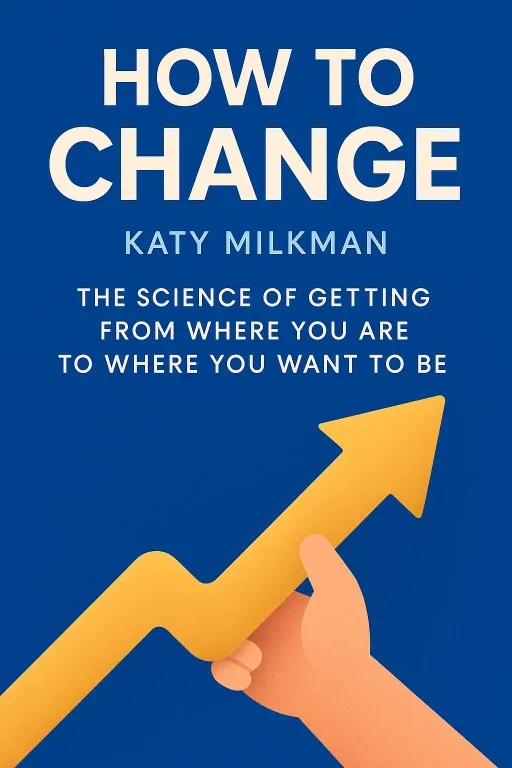
How to Change
Katy Milkman
Unlock the science of behavior change and achieve your goals with this insightful guide. Discover proven strategies to overcome obstacles, break bad habits, and create lasting positive change in your life. Learn how to align your actions with your aspirations and become the best version of yourself.
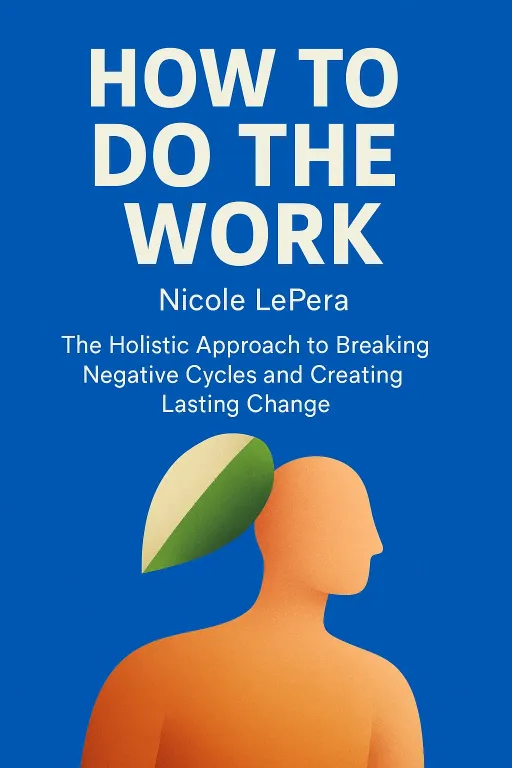
How to Do the Work
Nicole LePera
Embark on a transformative journey towards mental, physical, and spiritual wellness with 'How to Do the Work.' This book offers a revolutionary approach to breaking negative patterns, healing from the past, and creating lasting change by understanding the interconnectedness of the mind, body, and soul. Discover practical tools and insights to empower yourself and unlock your full potential.
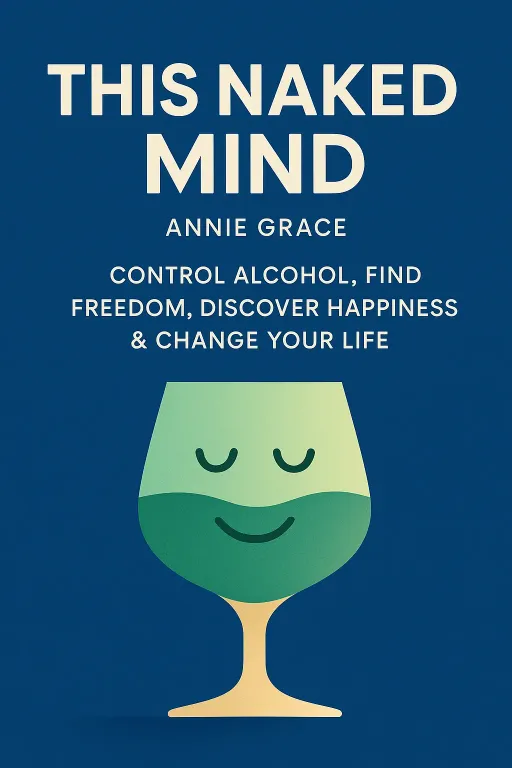
This Naked Mind
Annie Grace
Discover a revolutionary approach to understanding and changing your relationship with alcohol. 'This Naked Mind' provides the tools and insights to regain control, find freedom, and unlock a happier, more fulfilling life, by addressing the unconscious conditioning that drives the desire to drink.