

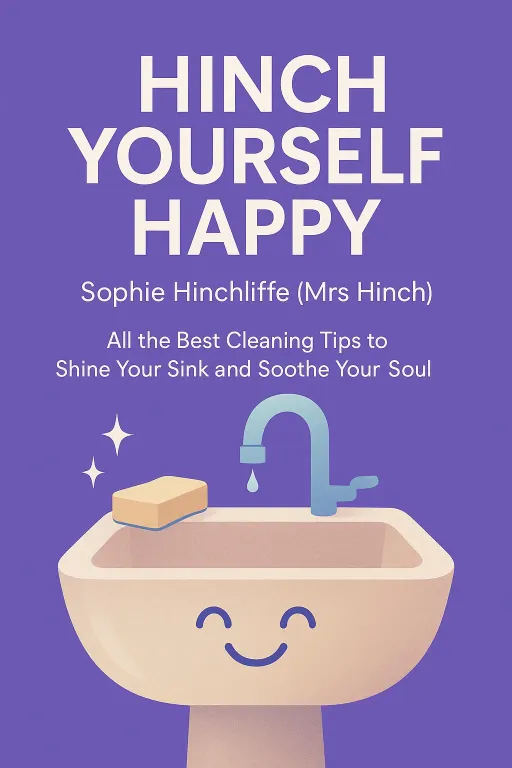
Hinch Yourself Happy
Sophie Hinchliffe
Discover the cleaning tips and tricks that social media sensation Mrs. Hinch uses to keep her home sparkling and her mind at peace. From tackling tough stains to creating a calming atmosphere, this book offers practical advice and personal anecdotes to help you 'Hinch Yourself Happy' and transform your living space into a sanctuary.
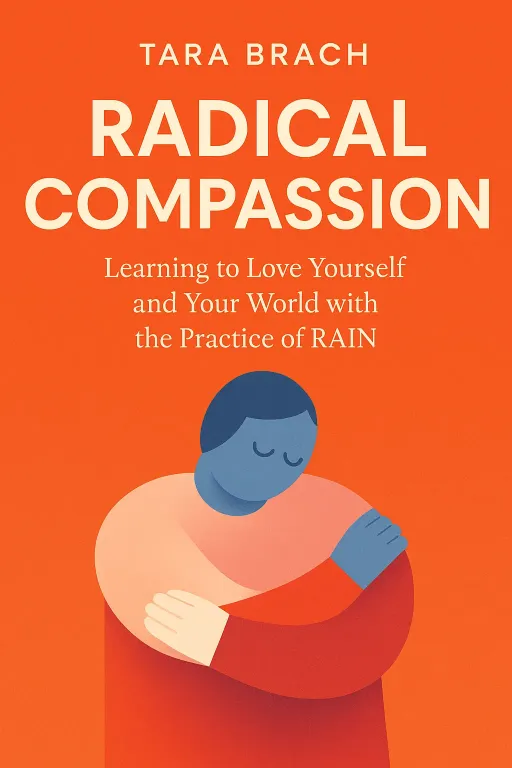
Radical Compassion
Tara Brach
Discover the transformative power of RAIN—Recognize, Allow, Investigate, Nurture—a simple yet profound practice for cultivating self-compassion and healing emotional pain. Learn to break free from the trance of unworthiness and embrace a life of presence, kindness, and radical compassion for yourself and the world around you.
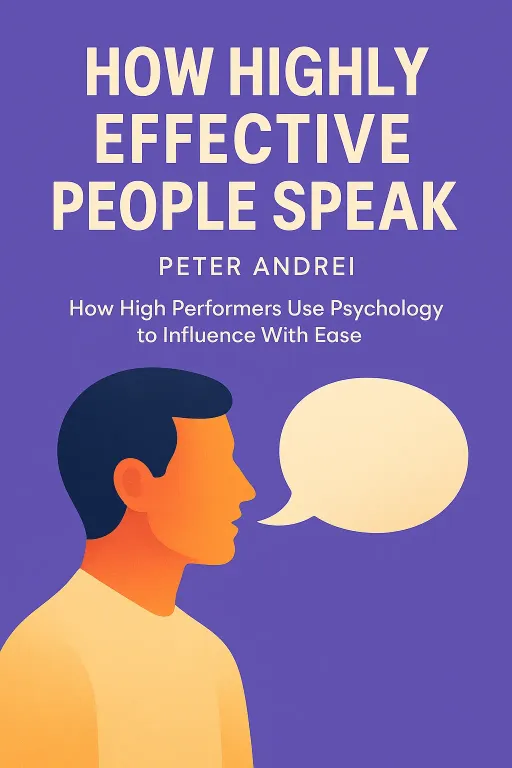
How Highly Effective People Speak
Peter Andrei
Discover the hidden secrets of psychology that influence effective communication. Learn how to master these secrets to change minds, win friends, and influence people. Based on scientific research and the author's experience as a public speaking coach, this book reveals the communication habits of highly effective people and provides practical strategies to improve your communication skills.
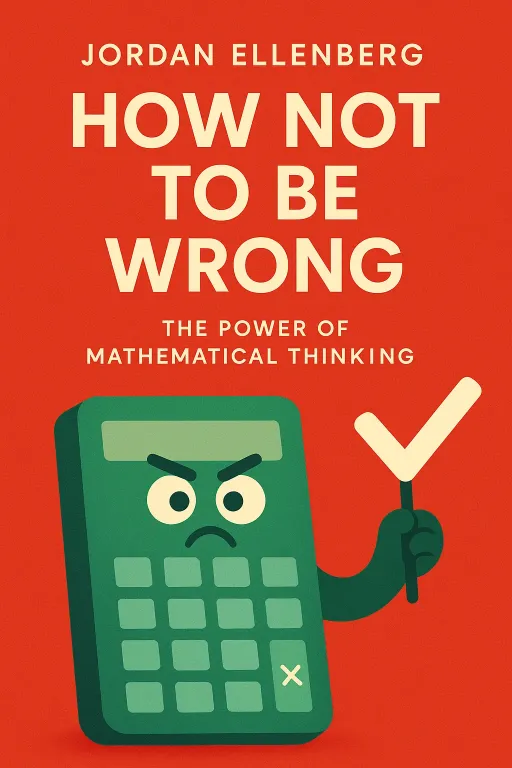
How Not to Be Wrong
Jordan Ellenberg
An enlightening journey into the world of mathematics and its profound impact on our daily lives. From deciphering political rhetoric to making sound financial decisions, this book unveils the hidden mathematical structures that shape our understanding of the world, offering a refreshing perspective on problem-solving and critical thinking.
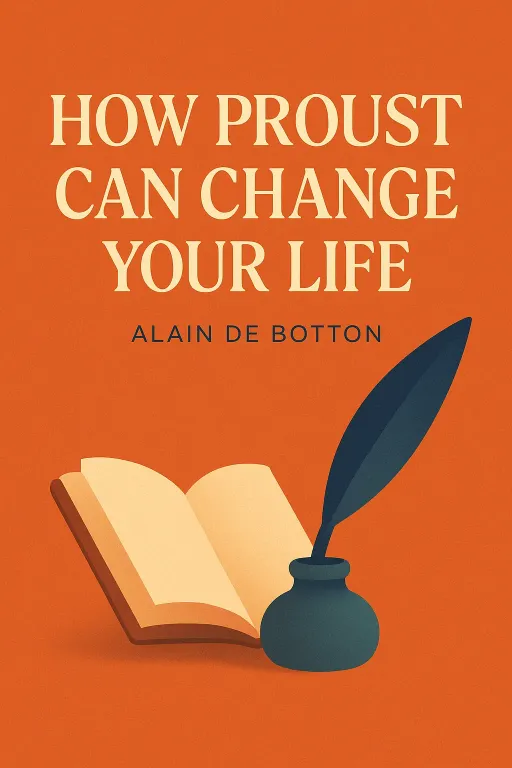
How Proust Can Change Your Life
Alain de Botton
A charming and insightful exploration of Marcel Proust's life and work, offering practical advice on how to improve one's own life. De Botton dissects Proust's wisdom on friendship, reading, attention, and being alive, providing a fresh and unique perspective that is both intoxicating and wise.
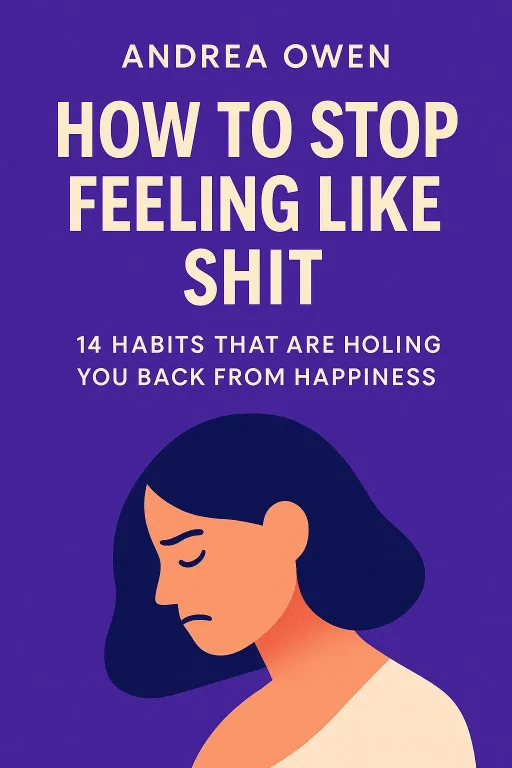
How to Stop Feeling Like Sh*t
Andrea Owen
Discover the 14 common habits that keep women feeling stuck and unhappy. This book provides practical tools and insights to break free from self-sabotaging behaviors, cultivate self-compassion, and start living a more kick-ass life. Learn to recognize your triggers, manage your inner critic, and embrace a life of authenticity and joy.
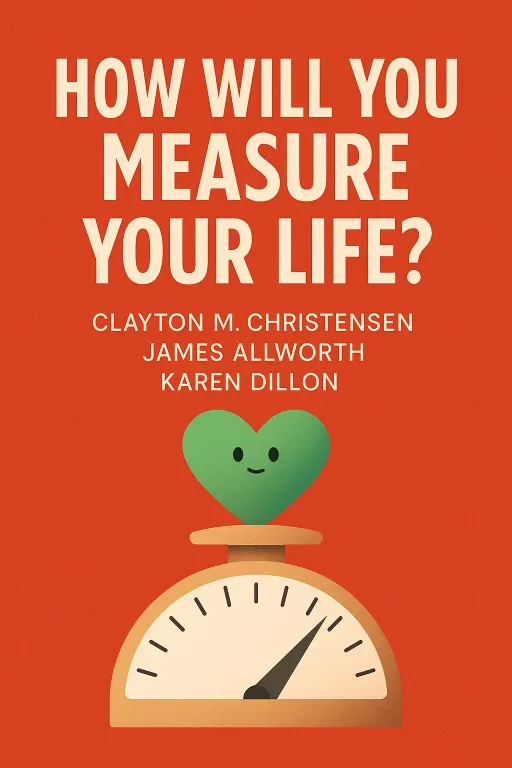
How Will You Measure Your Life?
Clayton M. Christensen
A business professor shares insights and frameworks to help you find meaning and happiness in your career, relationships, and life. Drawing on business theories and real-life examples, this book guides you to make deliberate choices that align with your values and lead to a fulfilling life.
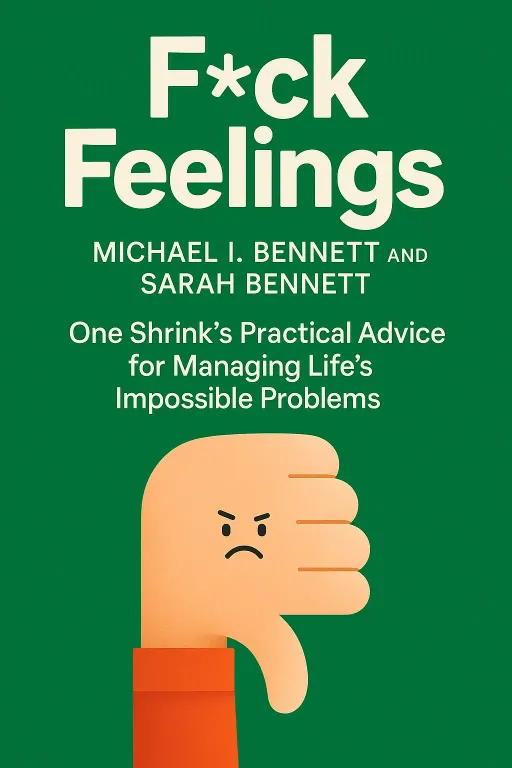
F*ck Feelings
Michael I. Bennett
A refreshingly blunt and humorous guide to managing life's inevitable challenges. A psychiatrist and his comedy writer daughter team up to offer practical advice, encouraging readers to accept what they can't change and focus on what they can control. Get ready to ditch the self-improvement fantasies and embrace a realistic approach to dealing with the crap life throws your way.