


Present Over Perfect
Shauna Niequist
In Present Over Perfect, Shauna Niequist invites you to leave behind the heavy weight of comparison, competition, and exhaustion, and to recraft a life marked by meaning, connection, and unconditional love. It's a journey from exhaustion to peace, from isolation to connection, from hustling and multitasking to sacred presence.
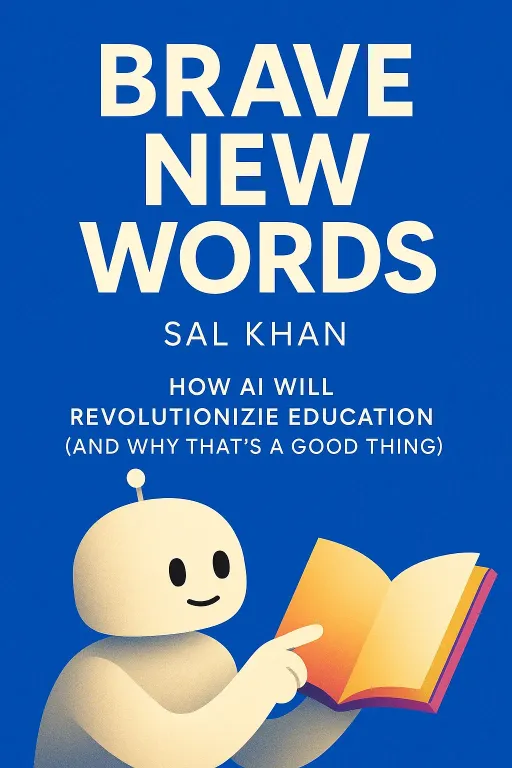
Brave New Words
Sal Khan
"Brave New Words" is a timely and optimistic manifesto by Salman Khan, the visionary founder of Khan Academy. While many educators fear that Artificial Intelligence will lead to mass cheating or the end of the teaching profession, Khan argues the opposite: AI is the tool that will finally humanize the classroom. Khan frames the AI revolution as the solution to "Bloom’s 2 Sigma Problem," a famous educational puzzle which showed that one-on-one tutoring allows students to perform two standard deviations better than those in traditional classrooms. Until now, giving every student a personal tutor was economically impossible. With tools like Khanmigo (Khan Academy's AI guide), Khan demonstrates how generative AI can act as a Socratic tutor for students—guiding them to answers rather than doing the work for them—and as a teaching assistant for educators, automating lesson planning and grading. Brave New Words argues that by offloading administrative drudgery to AI, we can free up teachers to do what they do best: provide human connection, mentorship, and inspiration.
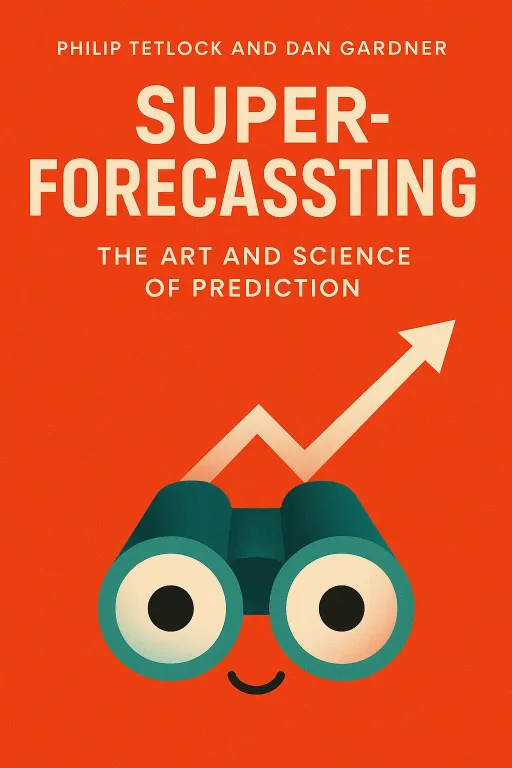
Superforecasting
Philip Tetlock
"Superforecasting" is a groundbreaking study on the science of predicting the future, written by Wharton professor Philip Tetlock and journalist Dan Gardner. The book draws on the results of the Good Judgment Project, a massive forecasting tournament funded by the US intelligence community. Tetlock discovered that while most "expert" pundits are no better at predicting the future than a "dart-throwing chimpanzee," there is a small group of ordinary people—dubbed "Superforecasters"—who consistently outperform intelligence analysts with access to classified information. The book reveals that these superforecasters share a specific cognitive style. They are not necessarily geniuses, but they are probabilistic thinkers who treat beliefs as testable hypotheses rather than sacred truths. They break big problems into smaller, manageable parts (Fermi-izing) and constantly update their predictions when new data arrives (Bayesian updating). Tetlock contrasts these agile thinkers ("Foxes") with rigid ideologues ("Hedgehogs") who view the world through a single big idea. "Superforecasting" serves as a practical manual for anyone looking to improve their decision-making, proving that foresight is not a mysterious gift, but a skill that can be cultivated through practice, humility, and open-mindedness.
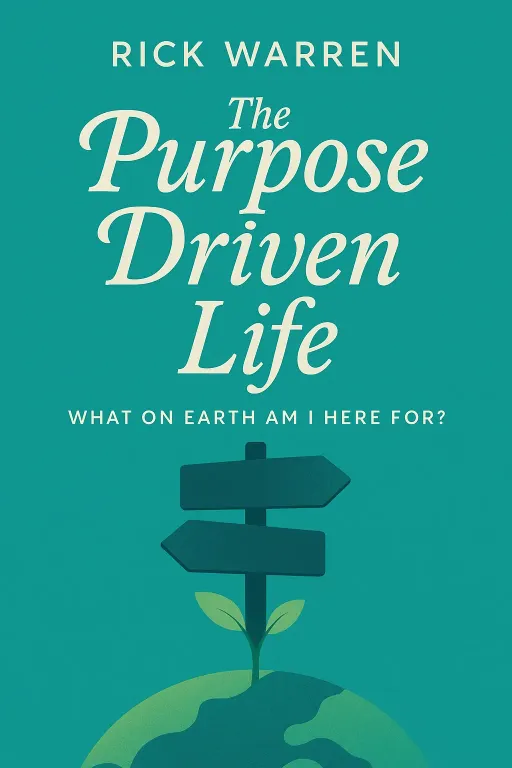
The Purpose Driven Life
Rick Warren
Embark on a transformative 40-day spiritual journey with Rick Warren as he guides you to discover the answer to life's most fundamental question: What on earth am I here for? Uncover God's purpose for your existence, reduce stress, simplify decisions, and prepare for eternity. A journey that promises to change your life forever.
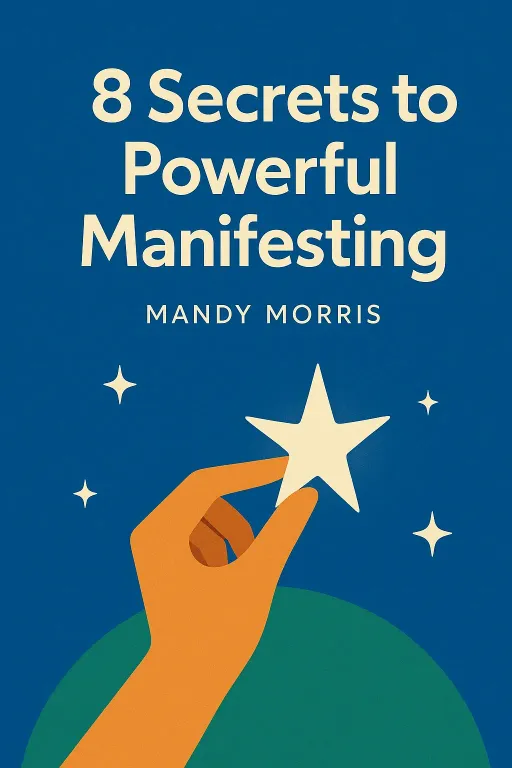
8 Secrets to Powerful Manifesting
Mandy Morris
Discover the eight secret principles that will help you reach your greatest desires with ease and speed. Mandy Morris shares methods primarily pulled from an intuitive and meditative state, offering a fresh, unique way to teach manifesting to the masses.
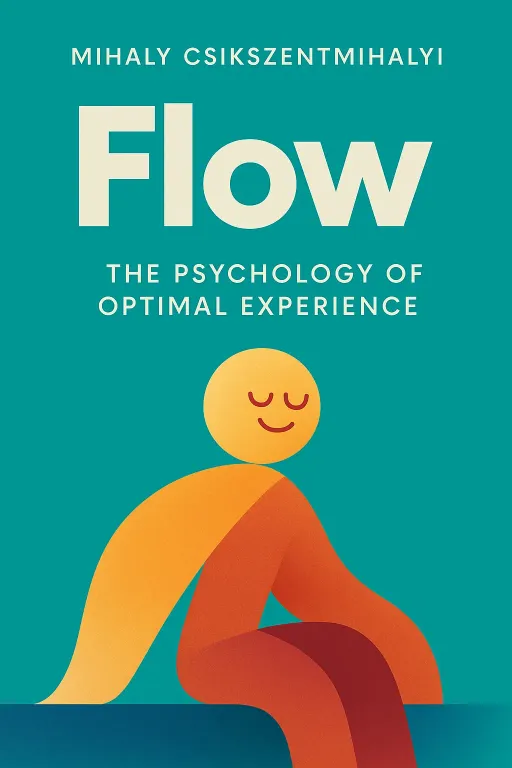
Flow: The Psychology of Optimal Experience
Mihaly Csikszentmihalyi
A groundbreaking investigation into the positive aspects of human experience--joy, creativity, and the process of total involvement with life that is called flow. Learn how to control your inner experience to determine the quality of your life and achieve a state of deep enjoyment and fulfillment.
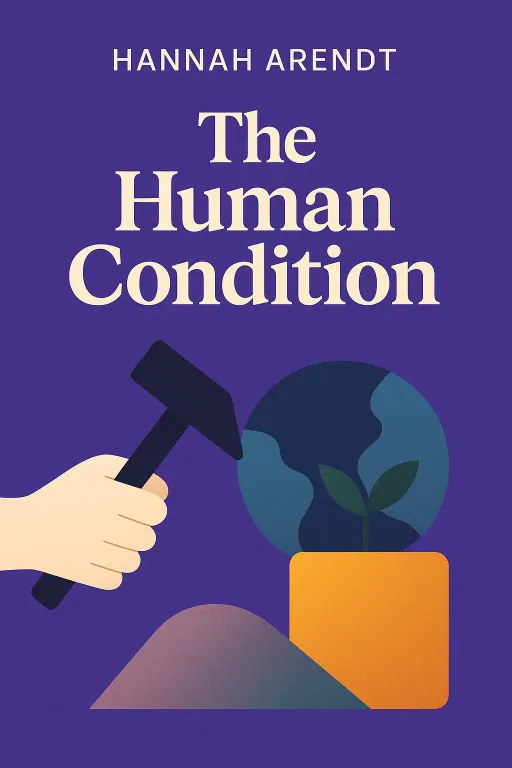
The Human Condition
Hannah Arendt
Arendt's exploration of the fundamental human activities of labor, work, and action, and their corresponding conditions. She delves into the modern age's alienation from the earth and the world, challenging traditional political philosophy and offering a profound reflection on the human condition in the face of unprecedented technological advancements and societal shifts.
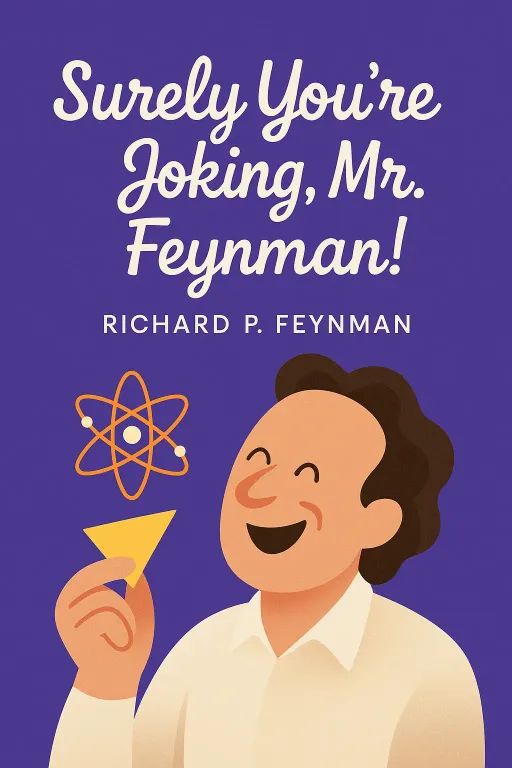
Surely You're Joking, Mr. Feynman!
Richard P. Feynman
"Surely You're Joking, Mr. Feynman!" is an exuberant and iconic memoir that captures the life of Richard P. Feynman, a Nobel Prize-winning physicist and one of the most colorful minds of the 20th century. Transcribed from taped conversations with Ralph Leighton, this collection of anecdotes reveals a man whose insatiable curiosity extended far beyond the realm of theoretical physics. The book takes readers on a wild ride through Feynman’s eclectic life. We follow him from his childhood experiments fixing radios to his critical work on the atomic bomb at Los Alamos—where he amused himself by cracking top-secret safes. The narrative swings effortlessly between high science (debating with Einstein and Bohr) and eccentric hobbies, such as playing bongo drums for a ballet, learning to draw, and learning Portuguese to lecture in Brazil. Beneath the humor and pranks lies a profound message about intellectual honesty. Feynman rails against "Cargo Cult Science"—pseudo-intellectualism and pretension—and champions the pure joy of "finding things out." It is a celebration of looking at the world with a fresh, unpretentious eye and a reminder that science is an attitude of inquiry, not just a body of knowledge.