


The Tao of Pooh
Benjamin Hoff
Explore the wisdom of Taoism through the enchanting world of Winnie-the-Pooh. Discover how Pooh's simple nature embodies the principles of the Uncarved Block and offers profound insights into living a harmonious and fulfilling life.
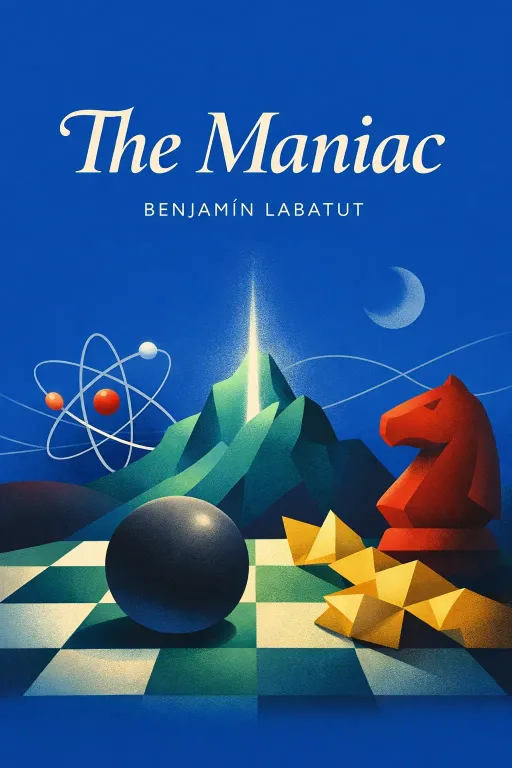
The Maniac
Benjamín Labatut
In 'The Maniac', Benjamín Labatut delves into the lives of brilliant, often troubled, minds who grappled with the profound implications of scientific and mathematical discoveries. From the tragic physicist Paul Ehrenfest, haunted by the rise of Nazism and the 'irrational' turn in physics, to the visionary George Boole, who sought to unlock the mysteries of human thought through mathematics, this book explores the thin line between genius and madness, and the unsettling consequences when human reason confronts its own limits.
The Architecture of Happiness
Alain de Botton
An exploration of how architecture affects our happiness and well-being, examining the psychological and emotional impact of buildings and design. It delves into the question of what makes a building beautiful and how our surroundings shape our identities and experiences.
The Stranger
Albert Camus
In Albert Camus's masterpiece, Meursault, an indifferent Algerian, attends his mother's funeral and becomes entangled in a senseless act of violence. This existential novel explores themes of alienation, morality, and the absurdity of life, challenging societal norms and forcing readers to confront the meaninglessness of existence.
The Law
Frederic Bastiat
A timeless exploration of the role of law in society, Frederic Bastiat's "The Law" delves into the dangers of legal plunder and the perversion of justice. Bastiat champions individual liberty, property rights, and limited government, warning against the seductive allure of socialism and the abuse of state power. Discover the principles of a just and enduring society in this concise yet profound treatise.
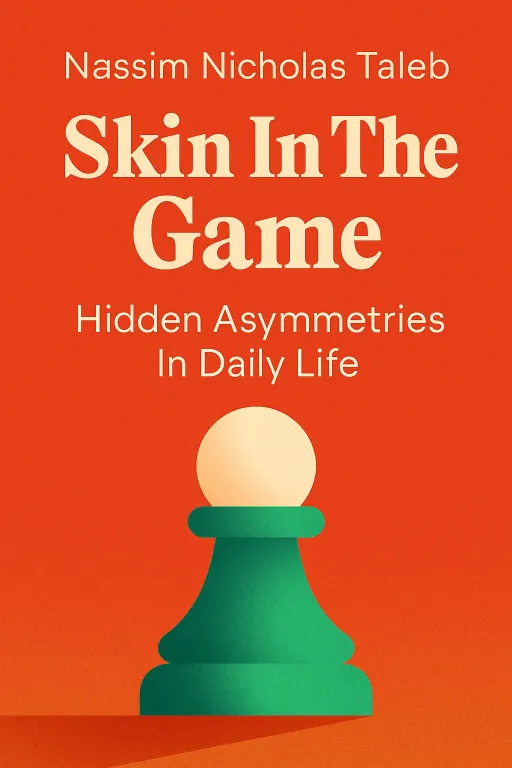
Skin in the Game
Nassim Nicholas Taleb
"Skin in the Game" is the fifth volume in the Incerto series by Nassim Nicholas Taleb. It serves as the practical application of his previous ideas on risk and uncertainty. The central thesis is that a system can only function properly if the decision-makers bear the consequences of their choices. Taleb argues that symmetry is the foundation of justice and rationality. The book is a scathing critique of the modern interventionista class. Taleb attacks bureaucrats, bankers, and pundits who transfer the downside of their risks to the tax-paying public while keeping the upside for themselves. He labels this group the Intellectual Yet Idiot or IYI. These are people who understand the theory of the world but have no tangible stake in its reality. Taleb also introduces the Silver Rule. Unlike the Golden Rule which tells you to treat others as you want to be treated, the Silver Rule commands that you do not treat others the way you would not like them to treat you. It is a negative constraint designed to prevent harm. The book ultimately asserts that you should never trust the advice of anyone who does not have something to lose if they are wrong.
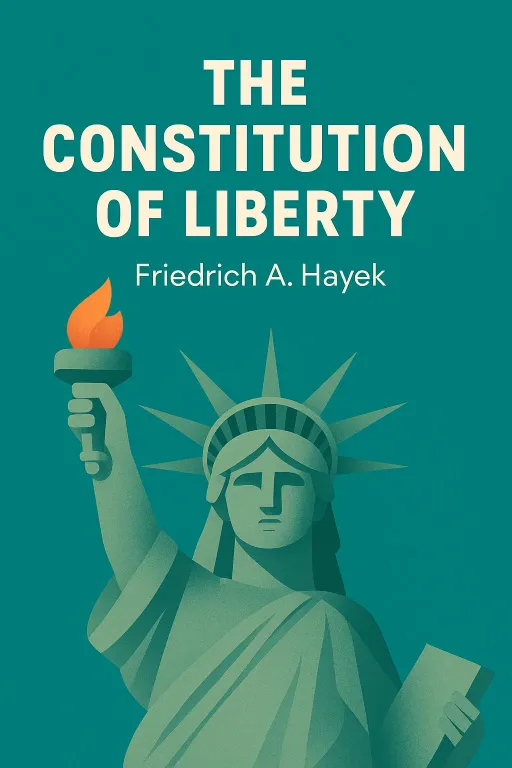
The Constitution of Liberty
Friedrich A. Hayek
A comprehensive exploration of the principles of liberty and their role in a free society. Hayek delves into the value of freedom, its connection to law, and its implications for the welfare state, offering a profound analysis of the foundations of a liberal order.
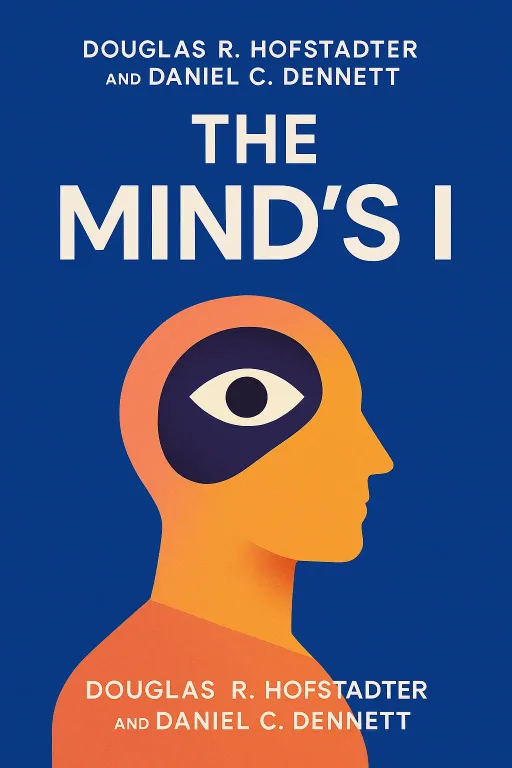
The Mind's I
Douglas R. Hofstadter
This provocative collection of essays and thought experiments, edited by two renowned thinkers, delves into the profound questions of consciousness, self, and identity. Through imaginative scenarios like the 'Teleclone' and explorations of cognitive science, it challenges readers to rethink their understanding of what it means to be 'I,' aiming to disturb, befuddle, and make the strange obvious. It's an intellectual journey into the nature of mind, soul, and the boundaries of human perception.