


And the Band Played On
Randy Shilts
A gripping account of the early years of the AIDS epidemic in America, exposing the political indifference, scientific rivalries, and social prejudices that allowed the disease to spread unchecked. A story of courage and cowardice, compassion and bigotry, that changed the course of history.
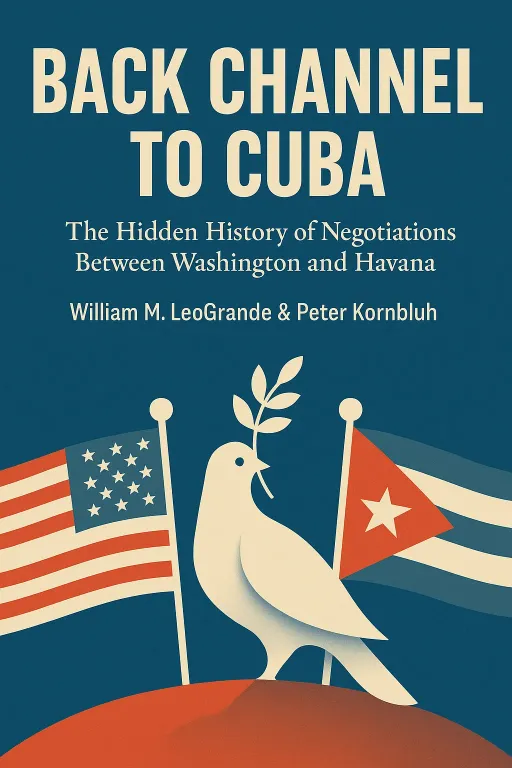
Back Channel to Cuba
William M. LeoGrande
A comprehensive chronicle of the history of dialogue between the United States and Cuba since 1959. This book assesses the historical record of negotiations—both secret and open—at a time when that record is especially pertinent to the political discourse over U.S. relations with Cuba.
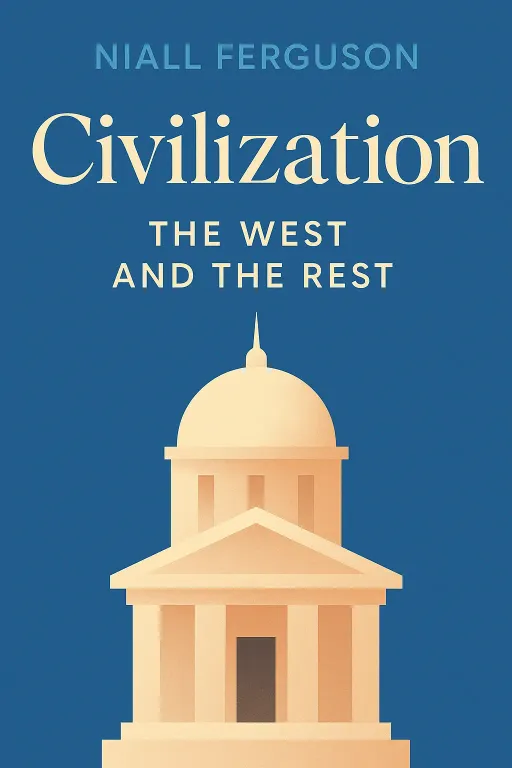
Civilization
Niall Ferguson
An exploration into the rise of Western civilization and its dominance over the rest of the world, beginning in the 15th century. It delves into the unique factors that propelled Western Europe to global power, examining its economic, social, and political institutions, and questioning whether this dominance is coming to an end.
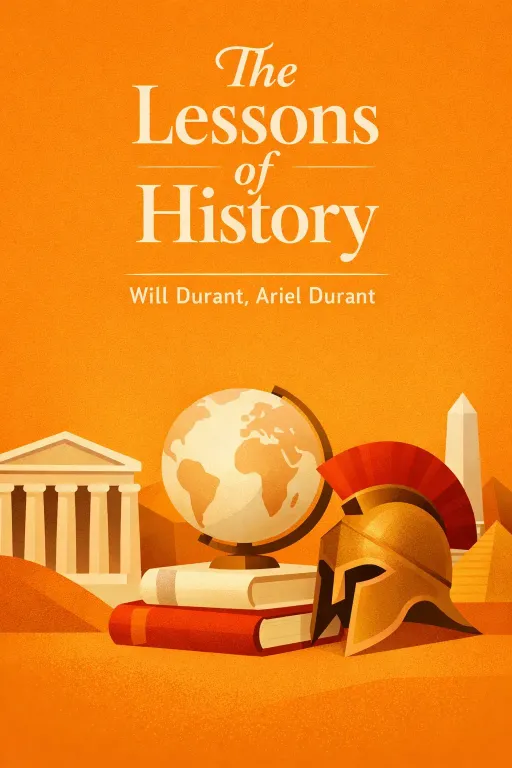
The Lessons of History
Will
A concise survey of the culture and civilization of mankind, The Lessons of History is the result of a lifetime of research from Pulitzer Prize–winning historians Will and Ariel Durant. With their accessible compendium of philosophy and social progress, the Durants take readers on a journey through history, exploring the possibilities and limitations of humanity over time and juxtaposing great lives and ideas with the recurring cycles of war, conquest, and decline. Condensing millennia into a compact and engaging overview, the Durants illuminate the major themes and forces—geography, biology, race, character, morals, religion, economics, government, war, and progress—that have shaped civilizations, and offer their distilled judgments about what the past can teach us about the present and future.
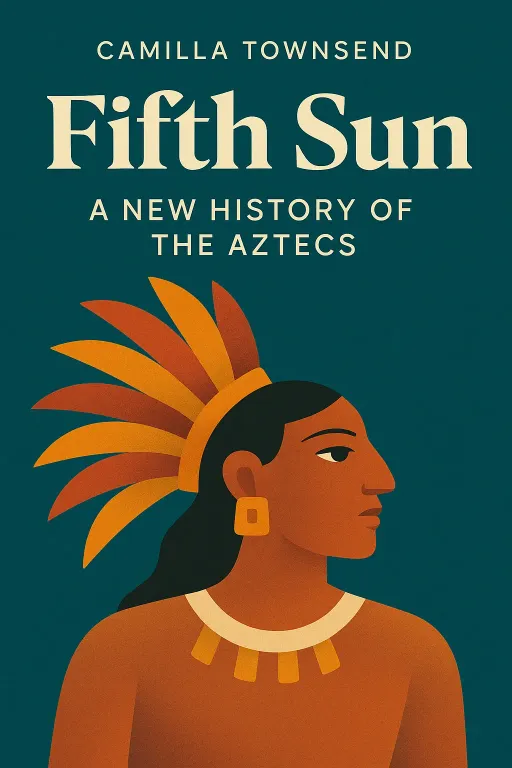
Fifth Sun
Camilla Townsend
A compelling new history of the Aztecs, told through their own voices. Drawing on rarely-consulted indigenous accounts, Camilla Townsend paints a vivid portrait of the Nahua people, from their mythical origins to their complex society and their struggle for survival after the Spanish conquest. Discover the real Aztecs, far more nuanced and resilient than the bloodthirsty stereotypes.