

The Millionaire Fastlane
MJ DeMarco
Tired of the slow lane to wealth? Discover the shortcut to financial freedom and live rich while you're still young. This book unveils the psychological and mathematical formula to crack the code to wealth, offering a fast-track alternative to traditional 'get rich slow' strategies.
Crushing It!
Gary Vaynerchuk
In "Crushing It!", Gary Vaynerchuk revisits the principles from his previous book, Crush It!, and provides updated strategies and tactics for leveraging current internet platforms to build a powerful personal brand. He shares insights and real-life examples of entrepreneurs who have successfully used social media to grow their businesses and influence, offering practical advice for anyone looking to achieve career and life happiness in the digital age.
The Personal MBA
Josh Kaufman
Skip business school, educate yourself. The Personal MBA is a crash course in business, teaching you the fundamentals of sound business practice as quickly and efficiently as possible. Learn how businesses work, how people work, and how systems work, and discover how to succeed in business without mortgaging your life.

The Lean Startup
Eric Ries
The Lean Startup provides a scientific approach to creating and managing successful startups in any sector. By focusing on validated learning, rapid experimentation, and iterative product releases, entrepreneurs can learn what customers want and build sustainable businesses. This book offers a new way of looking at the development of innovative new products that emphasizes fast iteration and customer insight, a huge vision, and great ambition, all at the same time.

#GIRLBOSS
Sophia Amoruso
From dumpster diving to CEO of a $100-million-plus business, Sophia Amoruso shares her story and the lessons she's learned in this part memoir, part business advice book. Learn how to take control, embrace your inner badass, and create your own opportunities to become a #GIRLBOSS.
Shoe Dog
Phil Knight
In this candid and insightful memoir, Phil Knight, the founder of Nike, shares the remarkable story of building one of the world's most iconic and successful brands. From his early travels and "Crazy Idea" to the challenges and triumphs of creating a global empire, Shoe Dog offers a rare glimpse into the mind of a visionary and the relentless pursuit of a dream.
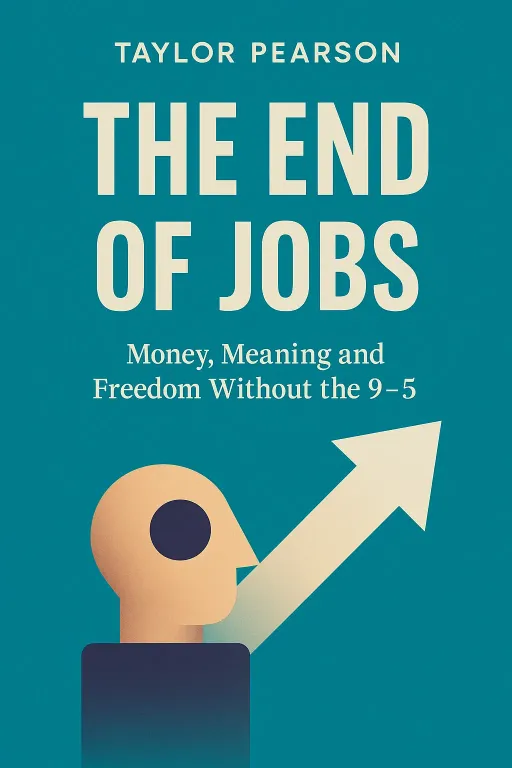
The End of Jobs
Taylor Pearson
Explore how technology and globalization are changing the landscape of work, making traditional jobs less secure and entrepreneurship more accessible and profitable. Discover strategies to create more money, meaning, and freedom in your life by embracing the new leverage points in the modern economy.

Rework
Jason Fried
"Rework" is a minimalist manifesto for a new kind of business reality. Written by Jason Fried and David Heinemeier Hansson, the founders of the software company Basecamp, the book is a direct attack on the traditional wisdom of the corporate world. It rejects the standard advice found in business schools and startup incubators, arguing that most of it is actually counterproductive. The authors challenge the obsession with growth, funding, and workaholism. They assert that workaholics are not heroes but liabilities who create more problems than they solve. The book promotes a philosophy of restraint and simplicity. It argues that you need far less than you think to start a business. You do not need an office, outside investors, or a lengthy business plan. In fact, the authors famously claim that "Planning is Guessing," suggesting that long-term plans are merely fantasies that blind you to immediate opportunities. The book is structured as a series of short, punchy essays that dismantle specific business myths. It attacks the culture of meetings, calling them "Toxic," and argues that interruptions are the enemy of productivity. "Rework" advises entrepreneurs to stop trying to beat the competition at their own game and instead to "Underdo" them by building a simpler product that solves a specific problem perfectly. It is a playbook for anyone who wants to build something on their own terms without selling their soul to venture capitalists.