

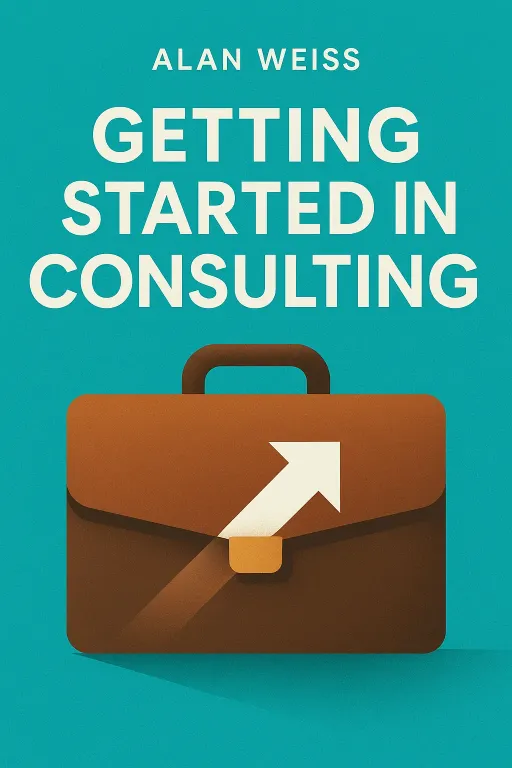
Getting Started in Consulting
Alan Weiss
The consulting profession offers independence, the opportunity for helping businesses and nonprofits, and the potential for great wealth, it may now also be one of the most secure professions! This book provides insights into the electronic marketing arenas, and some surprising myth-busters to turbocharge your start in the consulting profession.
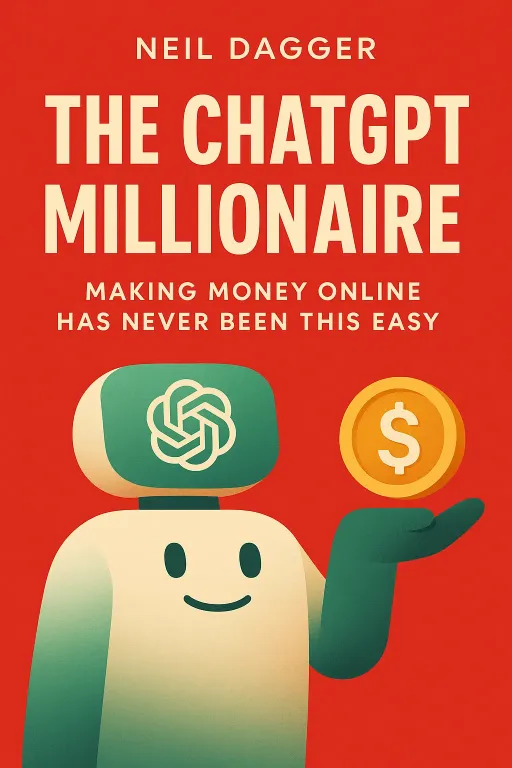
The ChatGPT Millionaire
Neil Dagger
Discover how to leverage the power of ChatGPT to generate income, automate tasks, and grow your business. This book provides a guide to unlocking the true potential of ChatGPT, showing you how to harness its advanced capabilities to create new revenue streams and achieve financial success, whether you're an entrepreneur, freelancer, or business owner.
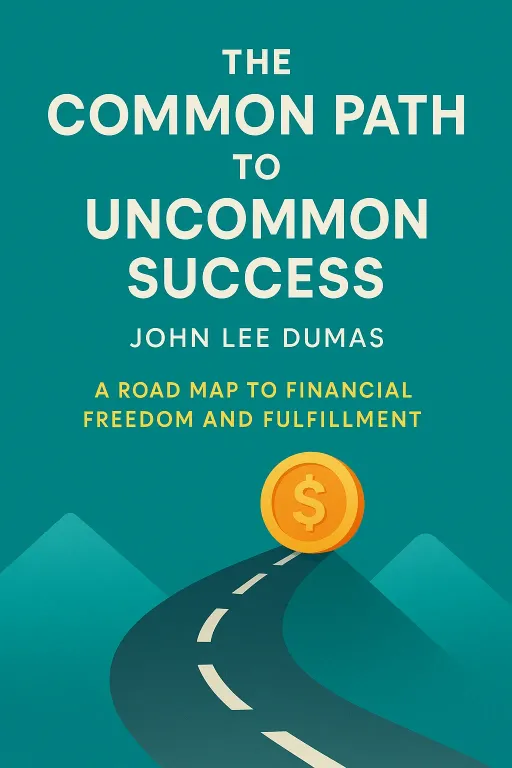
The Common Path to Uncommon Success
John Lee Dumas
Discover the proven path to financial freedom and fulfillment. This book reveals the secrets to achieving uncommon success by providing value, identifying your niche, and building a business around your passions and expertise. Learn how to overcome obstacles, create a valuable product or service, and ignite your entrepreneurial journey.
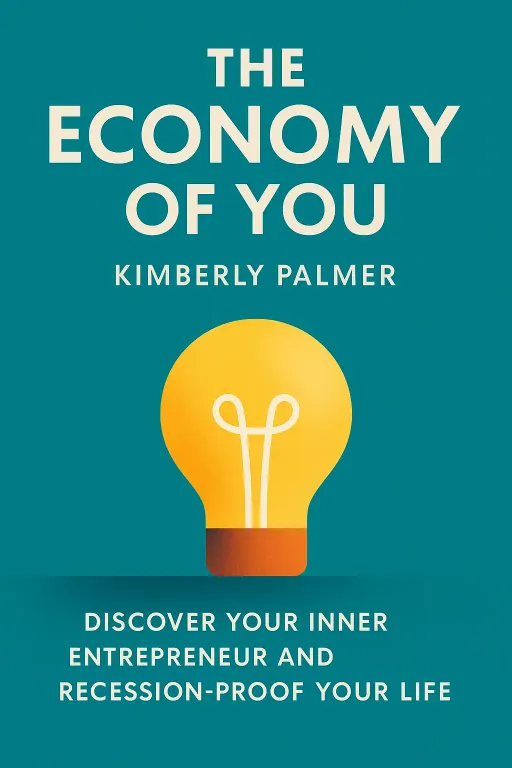
The Economy of You
Kimberly Palmer
Discover how to recession-proof your life by tapping into your inner entrepreneur. Learn to create multiple income streams, achieve financial independence, and take control of your career in today's uncertain economy. This book provides the tools and inspiration to thrive in the new world of side-gigs and entrepreneurial pursuits.
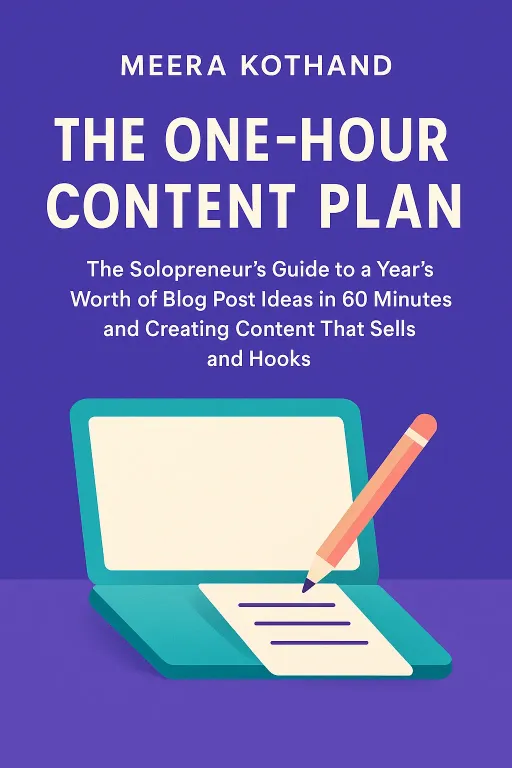
The One-Hour Content Plan
Meera Kothand
Discover a powerful content strategy for your blog with The One-Hour Content Plan. Learn how to generate a year's worth of traffic-building content ideas in just 60 minutes, show readers a clear path to your products and services, and establish your brand. This book provides a system for creating content that grows your blog and business.
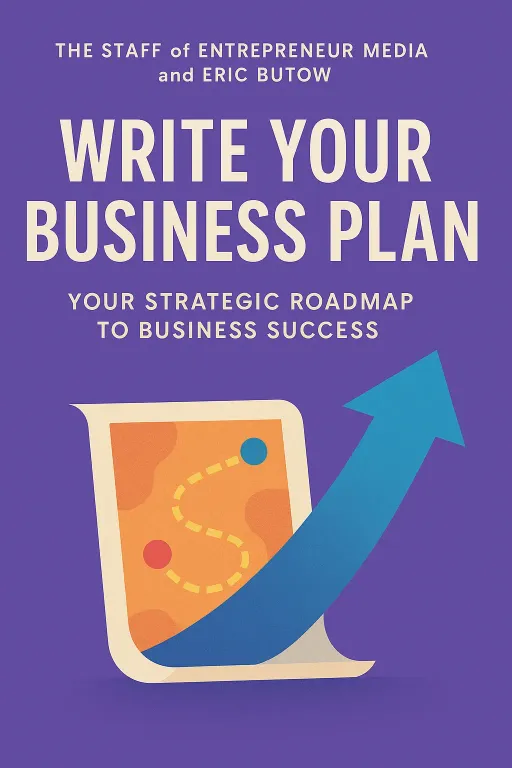
Write Your Business Plan
Eric Butow
Craft a powerful roadmap to business success with this ultimate guide to writing a standout business plan. Learn expert insights and practical strategies to attract investors, set yourself apart from competitors, and propel your business forward. Discover what makes a successful plan, how to tailor it to various needs, and how to update it as your business grows. Embrace the power of planning and craft your path to business success today!
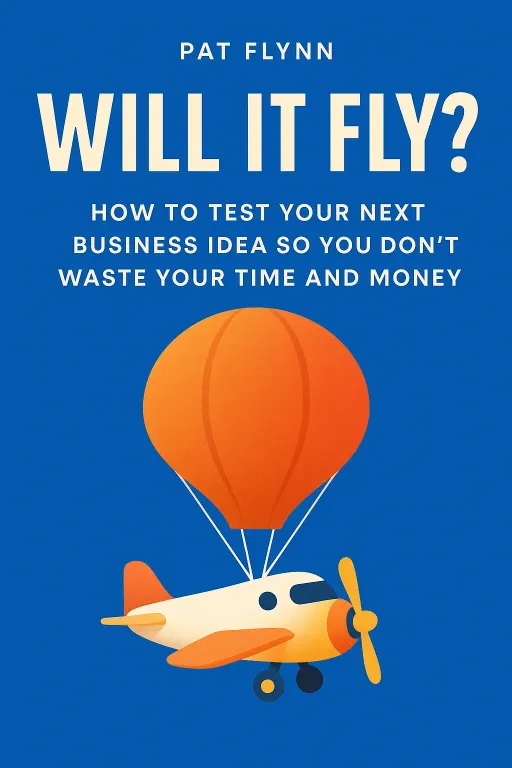
Will It Fly? How to Test Your Next Business Idea So You Don’t Waste Your Time and Money
Pat Flynn
A comprehensive guide for entrepreneurs on how to validate business ideas before investing significant time and money. It provides a step-by-step approach to testing ideas, assessing market viability, and ensuring alignment with personal goals, helping aspiring business owners avoid costly mistakes and build successful ventures.
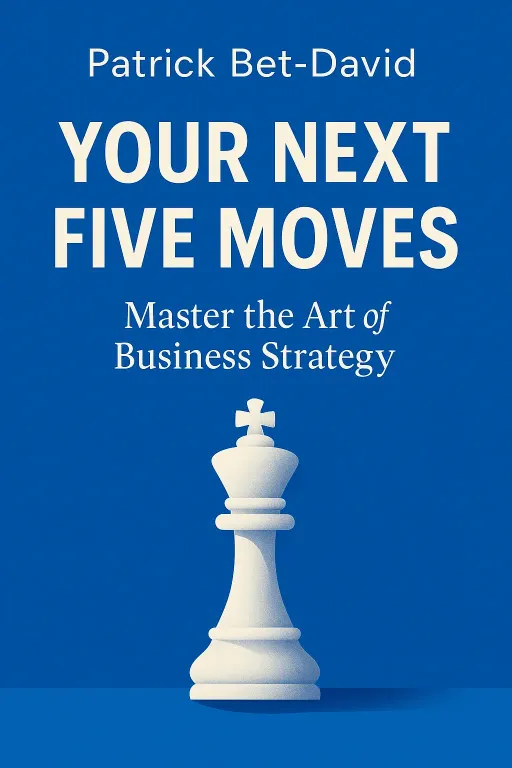
Your Next Five Moves
Patrick Bet-David
Unlock the secrets to strategic thinking and business success with 'Your Next Five Moves'. Drawing inspiration from chess masters and successful entrepreneurs, Patrick Bet-David provides a comprehensive playbook for achieving your vision. Learn how to master self-awareness, reasoning, team building, scaling strategies, and power plays to dominate your industry and create a lasting legacy.