

Economics & Money
Chokepoints
Edward Fishman
Chokepoints: How the Global Economy Became a Weapon of War by Edward Fishman is a sharp, timely guide to how modern conflict is increasingly fought without tanks or troops—through supply chains, finance, technology, and trade. Fishman, a former U.S. sanctions official, takes readers inside the real-world playbook of economic warfare: how governments identify pressure points in the global economy, then use sanctions, export controls, and market access as tools to punish rivals, deter aggression, or force negotiation. Instead of treating “geopolitics” as an abstract headline, Chokepoints explains the mechanisms—how the dollar system, semiconductor manufacturing, energy infrastructure, shipping routes, and critical commodities can become strategic leverage. The book also shows why these weapons can backfire, reshaping alliances, accelerating decoupling, and pushing countries to build alternative systems. If you want to understand why decisions about chips, oil, banks, and shipping lanes now carry the weight of military strategy, Chokepoints is a must-read. It’s one of the clearest frameworks for seeing the hidden battlefield underneath today’s global economy.
House of Huawei
Eva Dou
House of Huawei: Inside the Secret World of China’s Most Powerful Company by Eva Dou is a compelling and meticulously reported account of how a once-obscure telecom firm from Shenzhen became a central force in global technology and geopolitics. Drawing on extensive interviews and archival research, Dou traces the rise of Huawei, its enigmatic founder Ren Zhengfei, and the corporate culture and strategic choices that propelled it into world leadership in telecommunications and advanced tech. The narrative unfolds from Huawei’s early years building telephone equipment to its dominant role in 5G networks, highlighting pivotal moments such as the 2018 detention of CFO Meng Wanzhou, which intensified U.S.–China tensions and thrust the company into international controversy. Dou situates Huawei at the heart of broader debates about national security, state influence, and the future of global tech competition, offering readers a clear window into why the company inspires both admiration and distrust in capitals around the world. House of Huawei is essential reading for anyone seeking to understand how a single company reshaped modern telecommunications and became a flashpoint in the technological and geopolitical contest between China and the West.
Das Kapital
Karl Marx
Das Kapital by Karl Marx is one of the most influential works in economic and political thought. First published in 1867, this three-volume text offers a detailed, systematic critique of the capitalist system and seeks to uncover the fundamental economic laws that govern capitalist societies. Marx begins with an analysis of the commodity and the nature of value, arguing that the value of goods arises from socially necessary labor time. He introduces the concept of surplus value, showing how capitalists profit by paying workers less than the value their labor produces and appropriating the difference as profit. This exploitation, Marx contends, is a defining feature of capitalism and drives capital accumulation, class conflict, and recurring economic crises. Across its volumes, Das Kapital explores how capital circulates, how production and markets are organized, and how the system reproduces itself over time. Marx uses a dialectical method rooted in historical materialism to argue that capitalism contains internal contradictions that make it unstable and historically transient. While dense and complex, the work has shaped debates in economics, sociology, political science, and philosophy for over a century and remains a central reference in discussions of inequality, labor, and the structure of modern economies.
The Wealth of Nations
Adam Smith
The Wealth of Nations by Adam Smith is the foundational work of modern economics, first published in 1776. It asks a simple but profound question: why are some nations rich and others poor? Smith rejects the mercantilist idea that wealth comes from hoarding gold and silver and instead shows that a nation’s economic strength arises from the productive power of its people and the systems that allow them to trade, specialize, and innovate. At the heart of Smith’s argument is the division of labor—the idea that breaking work into specialized tasks dramatically increases productivity and raises living standards. He also explains how free markets operate, arguing that when individuals pursue their own self-interest within a system of voluntary exchange, an “invisible hand” helps allocate resources efficiently for society’s benefit. Smith discusses money, prices, wages, profits, and the roles of government in supporting infrastructure, justice, and education while generally limiting interference in markets. The Wealth of Nations remains essential reading for understanding capitalism, market economies, and the economic principles that continue to shape policy and global trade centuries after its publication.
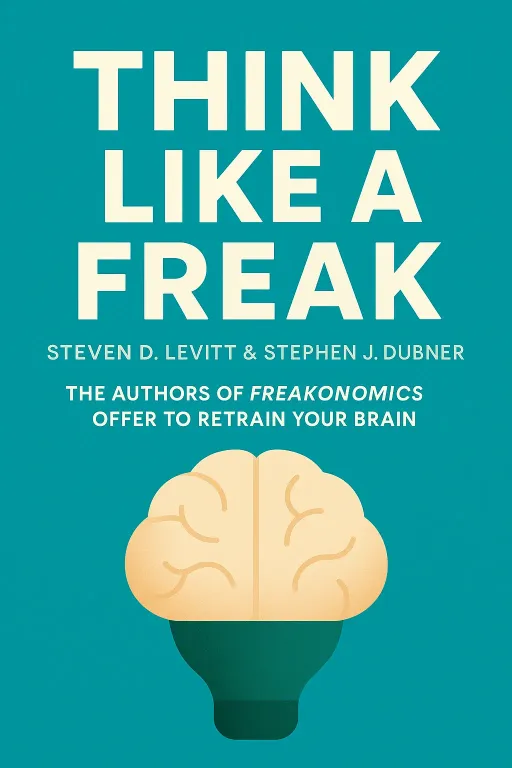
Think Like a Freak
Steven D. Levitt
From the authors of Freakonomics comes a provocative, playful, and persuasive book that offers a blueprint for an entirely new way of thinking, offering insights into everything from the abolition of academic tenure to alternatives to democracy, and how to think like a terrorist.
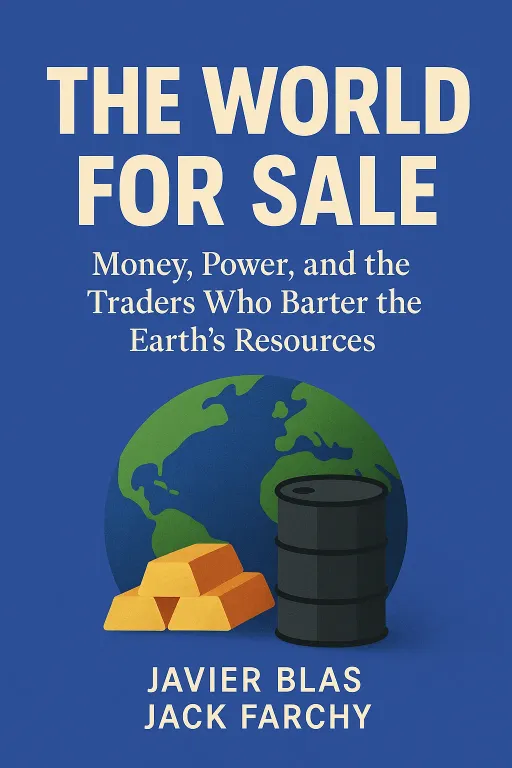
The World for Sale
Javier Blas
An explosive exposé of the secretive world of commodity traders who control the flow of natural resources and wield immense power, shaping economies and influencing political events around the globe. From oil and metals to grain, these are the individuals who operate in the shadows, making deals that can determine the fate of nations.
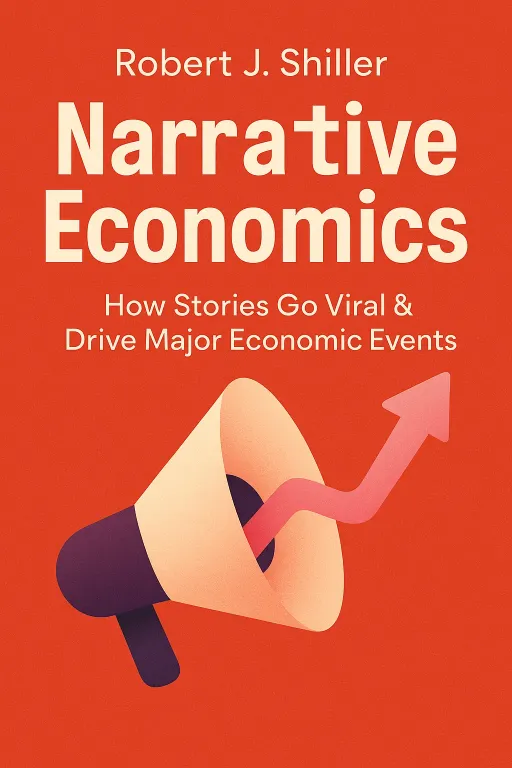
Narrative Economics
Robert J. Shiller
Explore the groundbreaking concept of Narrative Economics with Robert J. Shiller. Discover how viral stories shape economic decisions and drive major events, offering a fresh perspective on understanding and anticipating economic shifts.
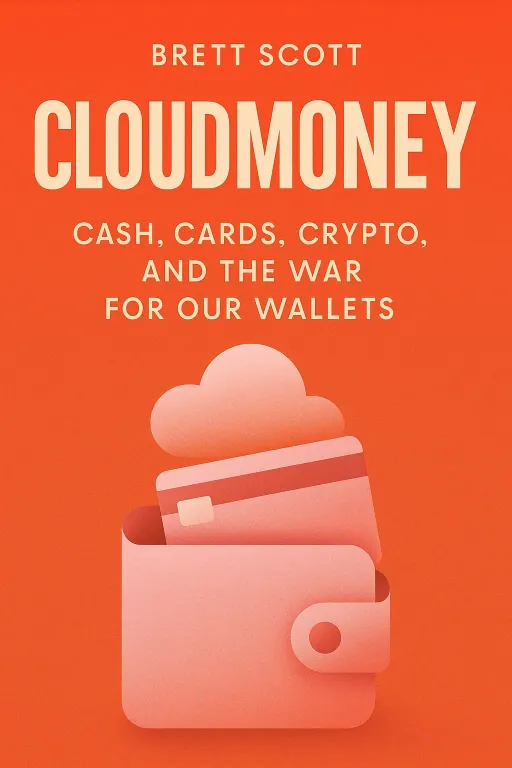
Cloudmoney
Brett Scott
A contrarian exploration of the seemingly inevitable progress of digital money and finance, revealing the hidden forces behind the cashless society and the rise of cloudmoney. It delves into the merger of Big Finance and Big Tech, the automation of global finance, and the potential consequences for surveillance, data extraction, and geopolitical power struggles.