

Economics & Money
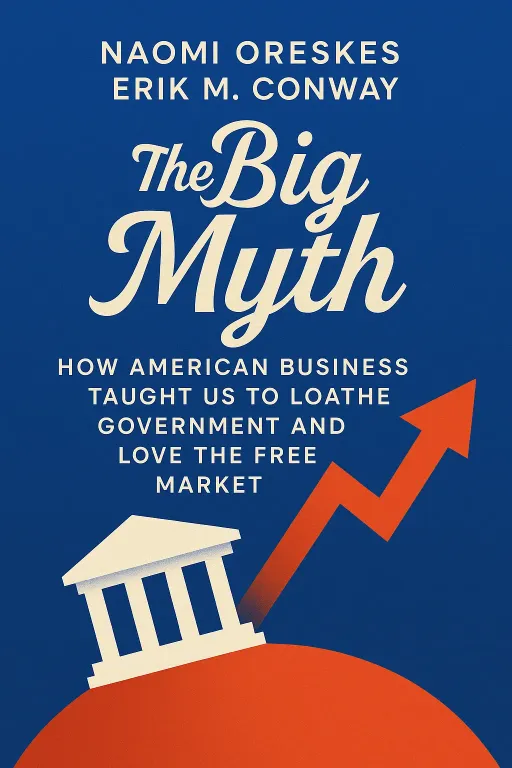
The Big Myth
Naomi Oreskes
Uncover the untold story of how American business meticulously crafted and propagated the 'myth of the free market,' systematically teaching generations to distrust government and embrace market fundamentalism. This meticulously researched book exposes the historical roots and devastating consequences of this ideology, from its impact on labor laws and environmental protection to its role in contemporary crises like climate change and inequality. It challenges readers to rethink the relationship between markets, government, and society, revealing how a powerful narrative shaped America's economic and political landscape.
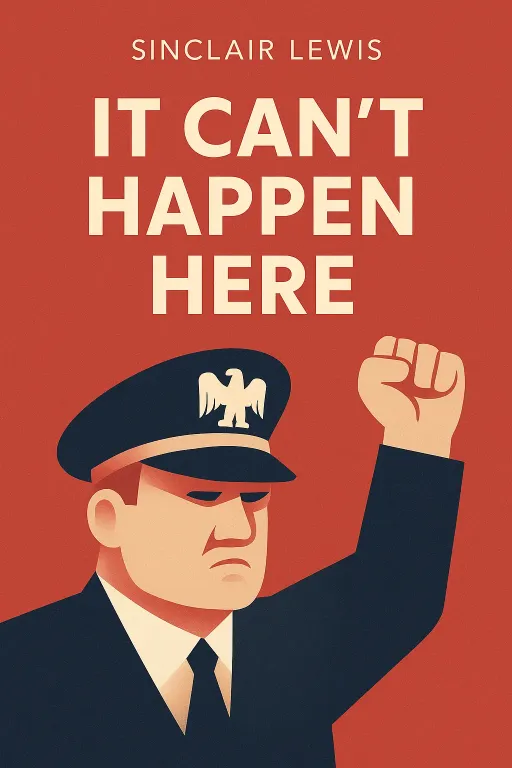
It Can't Happen Here
Sinclair Lewis
Set in 1936, this chillingly prescient novel explores the potential rise of fascism in America through the eyes of Doremus Jessup, a Vermont newspaper editor. As a charismatic demagogue, Senator Buzz Windrip, gains power by exploiting public fear and discontent, Jessup finds himself confronting the terrifying reality that even in a nation of 'freemen,' tyranny can take root. The excerpts capture a pivotal dinner discussion where nationalist and proto-fascist sentiments are openly espoused, challenging the complacent belief that 'it can't happen here.'
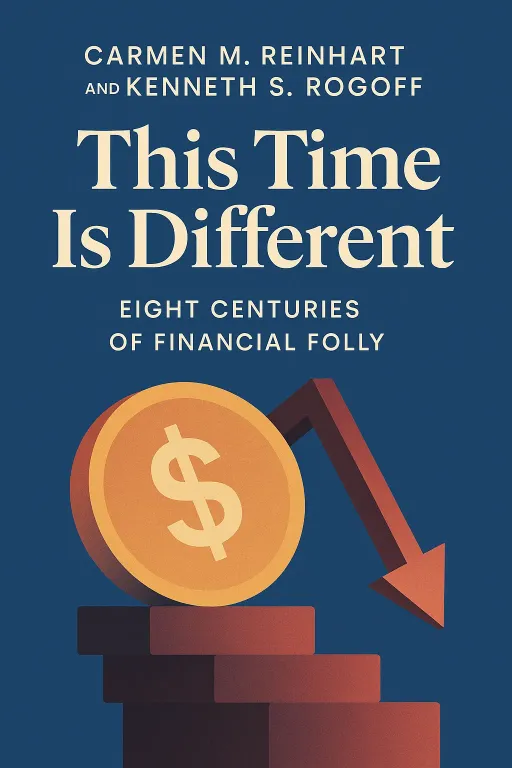
This time is different
Carmen M. Reinhart
Challenging the pervasive belief that 'this time is different,' this seminal work by Carmen M. Reinhart and Kenneth S. Rogoff offers a sweeping, data-driven historical analysis of financial crises spanning eight centuries. Through meticulous examination of sovereign debt defaults, banking crises, inflation, and currency crashes across numerous countries, the authors reveal enduring patterns of financial folly and the profound costs of economic downturns. It's an essential read for understanding the origins and consequences of global financial instability.
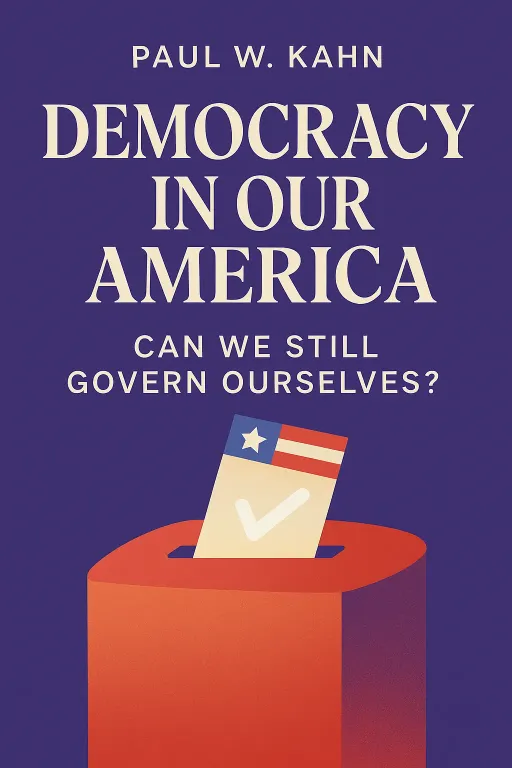
Democracy in Our America
Paul W. Kahn
In the wake of recent political upheavals, this book offers a profound analysis of the state of American democracy, questioning its capacity for self-governance. Drawing on both national political theory and the microcosm of local community life in Killingworth, Connecticut, the author explores the erosion of constitutional norms, the rise of populism, and the decline of civic engagement. It delves into the philosophical underpinnings of American political thought while confronting the stark realities of contemporary polarization, offering a critical examination of whether the nation can recover its foundational principles.
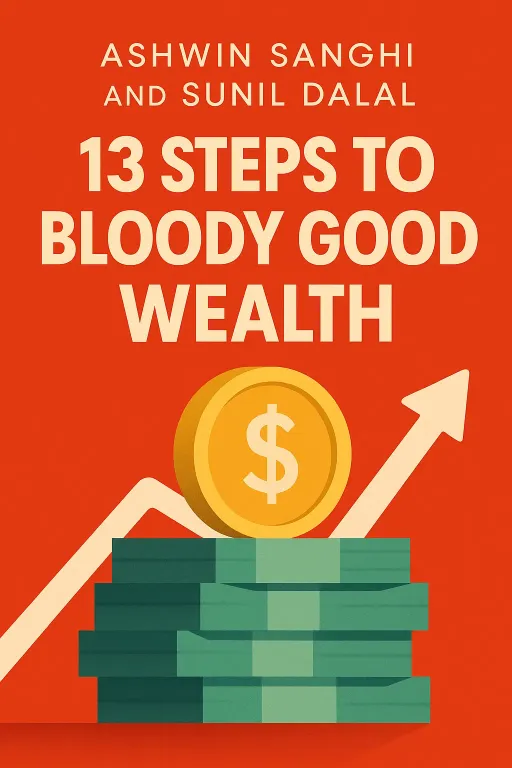
13 Steps to Bloody Good Wealth
Ashwin Sanghi
Unlock the secrets to financial success with '13 Steps to Bloody Good Wealth.' Co-authored by Ashwin Sanghi and Sunil Dalal, this book distills years of wealth management experience into 13 actionable steps. Learn how to define wealth, plan your expenses, beat inflation, and build a secure financial future. A must-read for anyone looking to take control of their finances and achieve lasting prosperity.
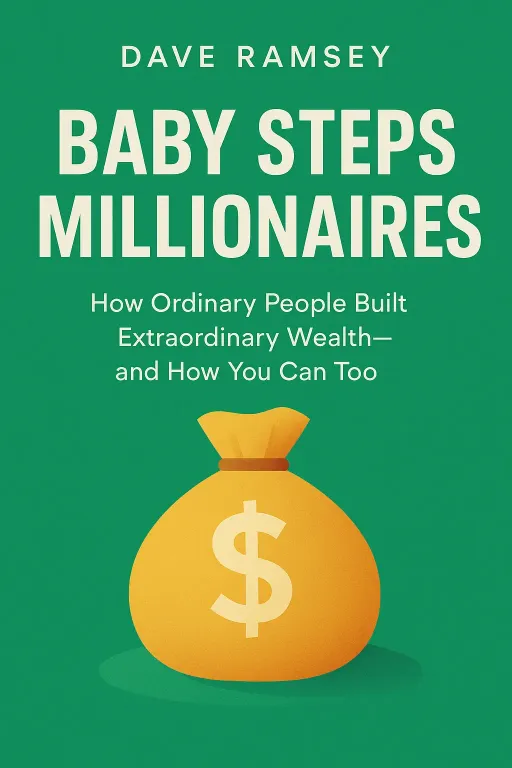
Baby Steps Millionaires
Dave Ramsey
Discover how ordinary people build extraordinary wealth using the Baby Steps plan. Learn from real-life success stories and statistical proof to achieve financial freedom and live your dreams. This book provides a straightforward, practical guide to becoming a Baby Steps Millionaire, no matter your starting point.
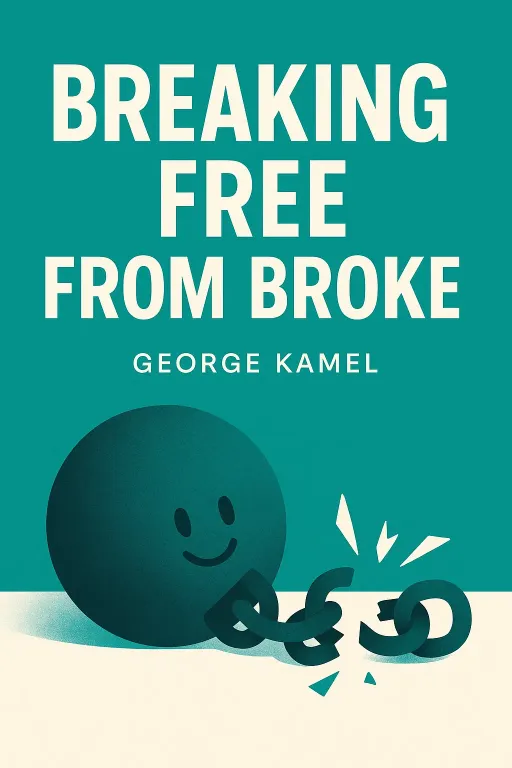
Breaking Free from Broke
George Kamel
Breaking Free from Broke is a practical guide that helps you break the cycle of financial stress and embrace a life of freedom and peace. George Kamel combines the timeless wisdom of financial principles with a good dose of humor, making personal finance entertaining and enlightening.
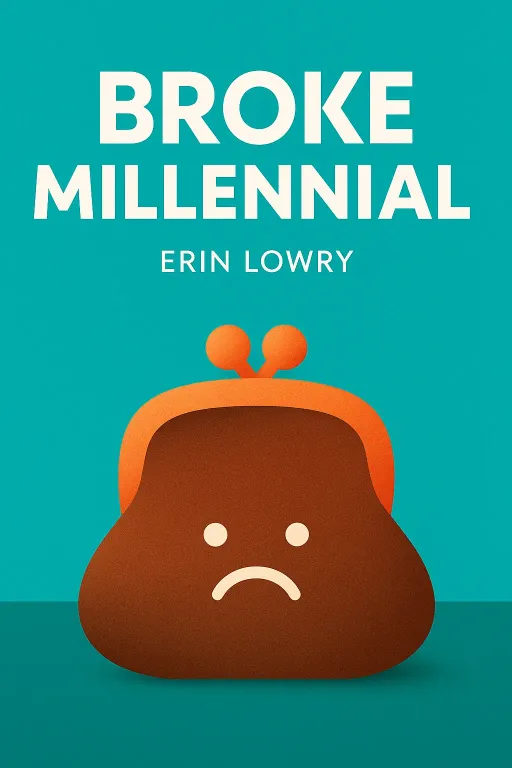
Broke Millennial
Erin Lowry
A fun and accessible guide to personal finance for millennials. Learn how to navigate tricky money situations, from splitting the bill with friends to negotiating a raise, and take control of your financial future.