

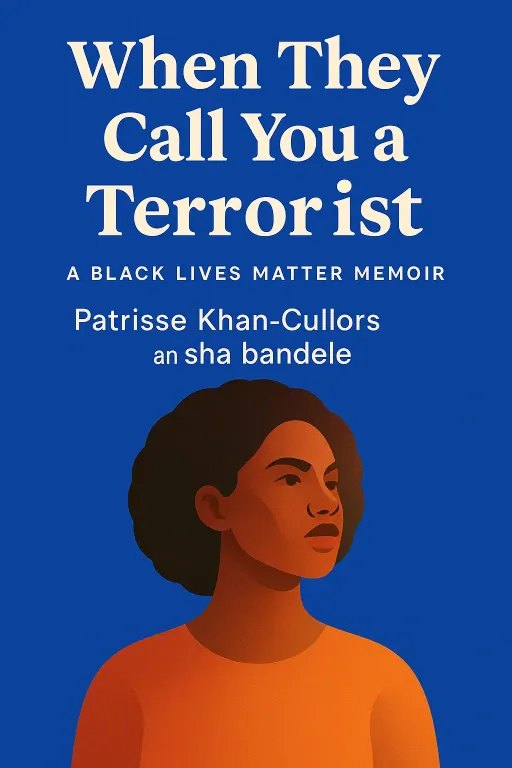
When They Call You a Terrorist
Patrisse Khan-Cullors
A powerful memoir co-authored by Patrisse Khan-Cullors, one of the founders of the Black Lives Matter movement, and asha bandele. This book shares Patrisse's personal story, exploring the challenges she faced growing up Black in America, her brother's struggles with state violence, and the birth of a movement that has reshaped the world. It is a story of resilience, activism, and the fight for freedom and justice in the face of systemic oppression.
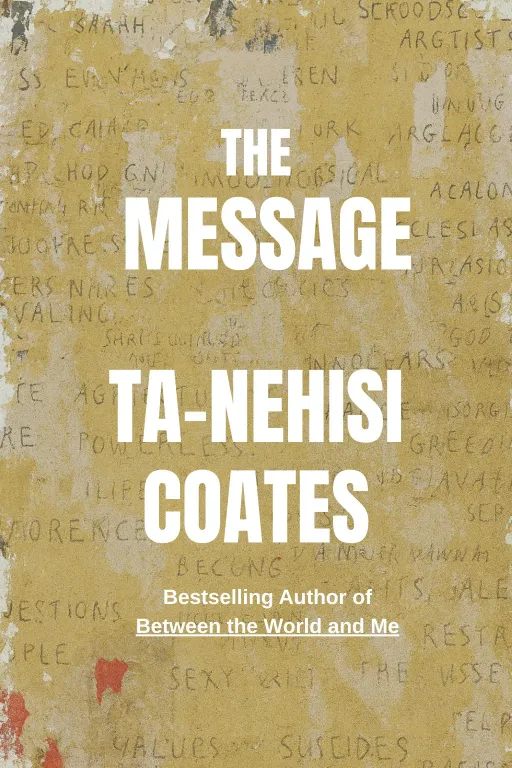
The Message
Ta-Nehisi Coates
In 'The Message,' Ta-Nehisi Coates reflects on language, politics, and the stories we tell ourselves. Through personal narrative and cultural criticism, Coates explores themes of identity, history, and the power of words to shape our understanding of the world. A profound exploration of the intersection of writing, race, and the search for truth.
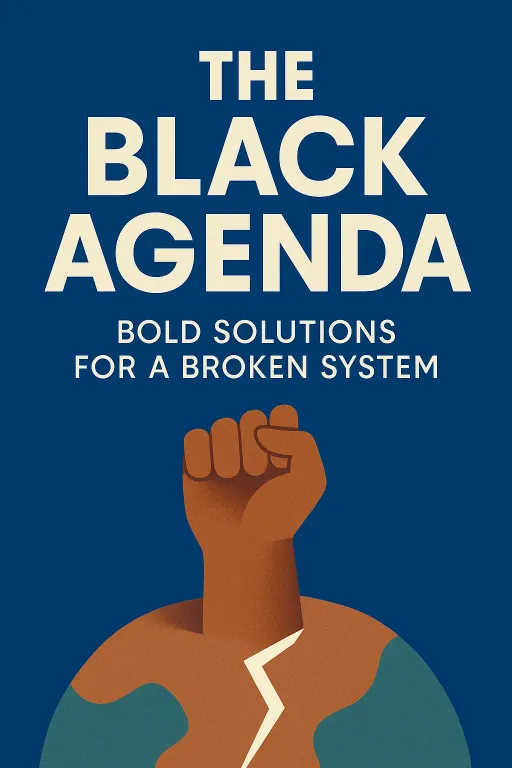
The Black Agenda
Various Authors
An urgent and insightful anthology, "The Black Agenda: Bold Solutions for a Broken System" brings together leading Black experts from diverse fields to address America's most pressing systemic issues, from climate change and economic inequality to racial injustice and public health. Challenging the historical marginalization of Black voices, this collection argues for the indispensable role of Black expertise in shaping public discourse and policy. It offers a powerful framework for understanding and dismantling oppressive systems, providing concrete, transformative solutions for a more equitable future.
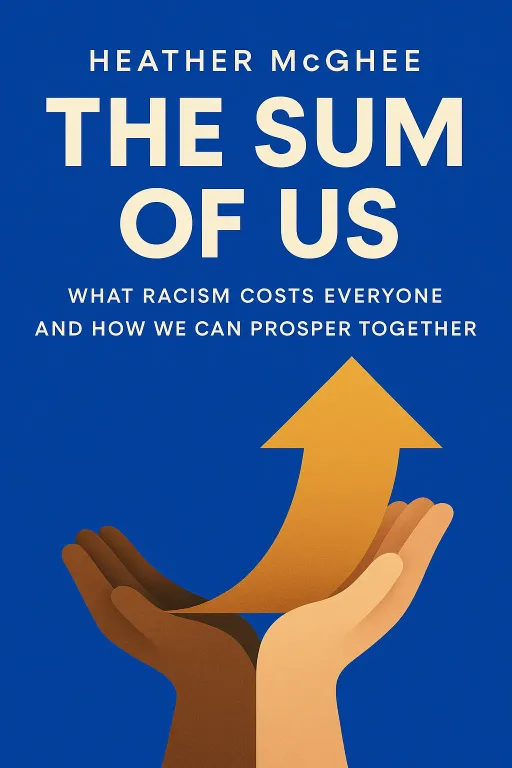
The Sum of Us
Heather McGhee
In "The Sum of Us," Heather McGhee embarks on a journey to uncover the hidden costs of racism to everyone. Through compelling stories and insightful analysis, she reveals how racist structures undermine our collective well-being, distort our politics, and drain our economy. McGhee offers a new story of who we could be to one another, and to glimpse the new America we must create for the sum of us.
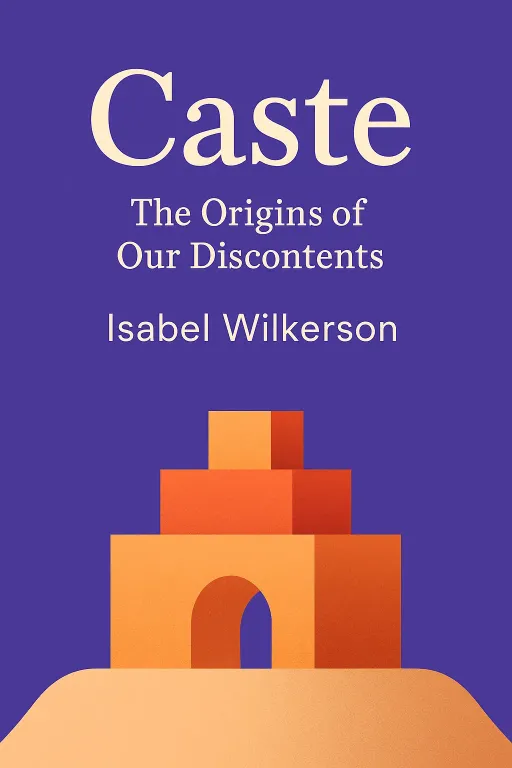
Caste: The Origins of Our Discontents
Isabel Wilkerson
An expansive, deeply researched examination of caste systems across civilizations, revealing the insidious ways in which they structure societies and perpetuate inequality. Wilkerson draws parallels between the caste systems of America, India, and Nazi Germany, exposing the profound impact of hierarchy on individuals and nations.
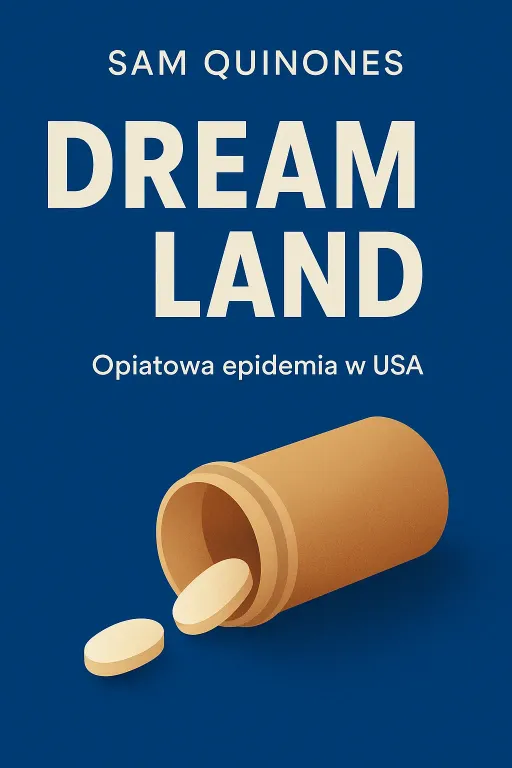
Dreamland
Sam Quinones
A gripping exploration of the opioid epidemic in the United States, tracing its roots from a small town in Mexico to the heart of American society. It uncovers the devastating impact of prescription painkillers and heroin on communities, families, and individuals, revealing a complex web of addiction, marketing, and social factors.
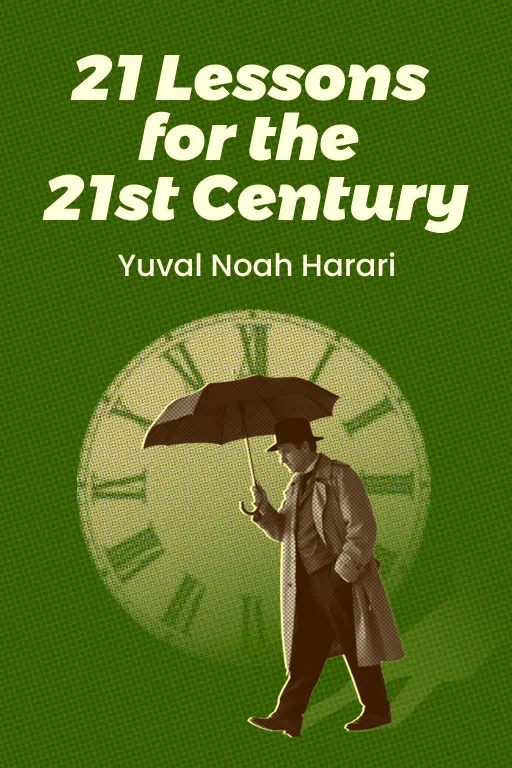
21 Lessons for the 21st Century
Yuval Noah Harari
From the author of the million-copy bestseller Sapiens, 21 Lessons for the 21st Century explores the present. How can we protect ourselves from nuclear war, ecological cataclysms and technological disruptions? What can we do about the epidemic of fake news or the threat of terrorism? What should we teach our children? Yuval Noah Harari takes us on a thrilling journey through today’s most urgent issues. Are we still capable of understanding the world we have created?
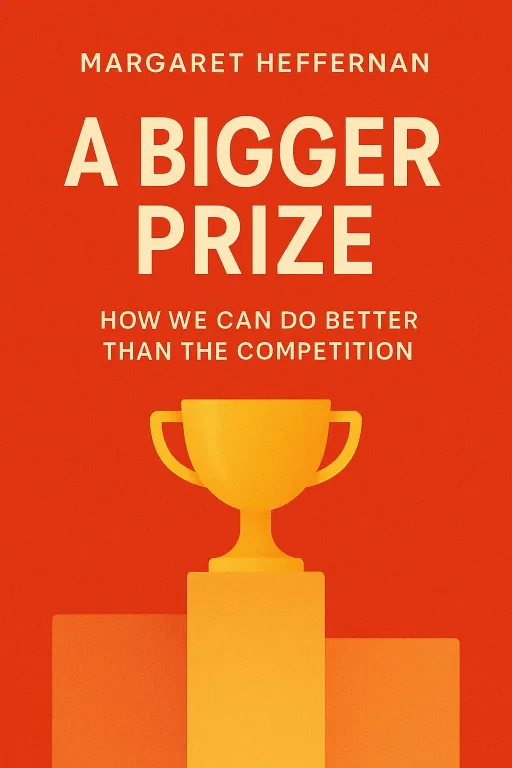
A Bigger Prize
Margaret Heffernan
An exploration of the pervasive nature of competition in modern society and its impact on various aspects of life, from personal relationships to business and politics. The book questions the assumption that competition is always the best motivator and explores alternative approaches based on collaboration, trust, and shared goals.