

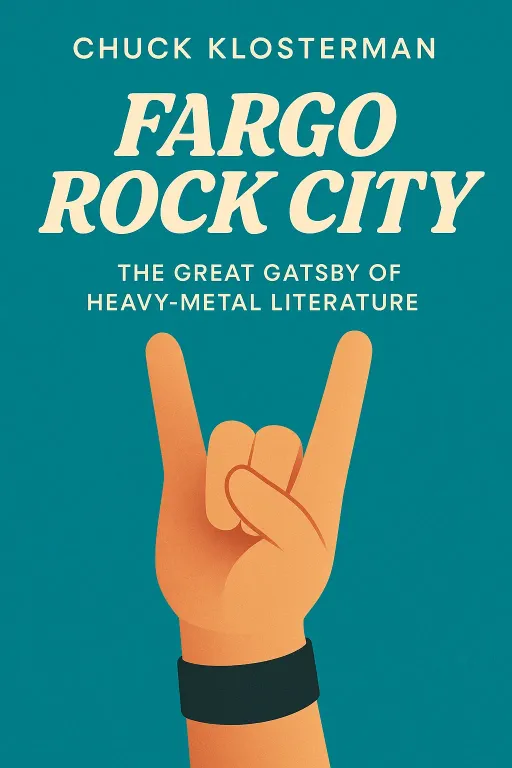
Fargo Rock City
Chuck Klosterman
Dubbed "The Great Gatsby of Heavy-Metal Literature," this classic memoir by Chuck Klosterman offers a hilarious and insightful journey into the world of 1980s heavy metal. Growing up as a metalhead in rural North Dakota, Klosterman chronicles his personal experiences and intellectual musings on hair bands, their cultural impact, and the broader landscape of pop music, masculinity, and identity. It's a fan's perspective on why glam metal mattered, blending humor, nostalgia, and sharp cultural analysis.
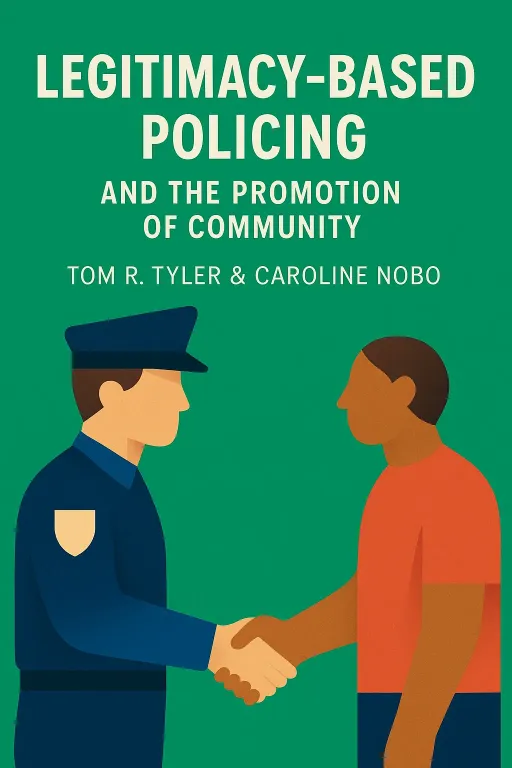
Legitimacy-Based Policing and the Promotion of Community
Tom R. Tyler
Explore the groundbreaking concept of legitimacy-based policing and its profound impact on fostering stronger, more cooperative communities. This book delves into how law enforcement agencies can build trust and gain public acceptance by emphasizing fairness, transparency, and respect, ultimately leading to reduced crime and enhanced social cohesion. Discover the psychological principles and practical strategies that underpin effective community-police partnerships.
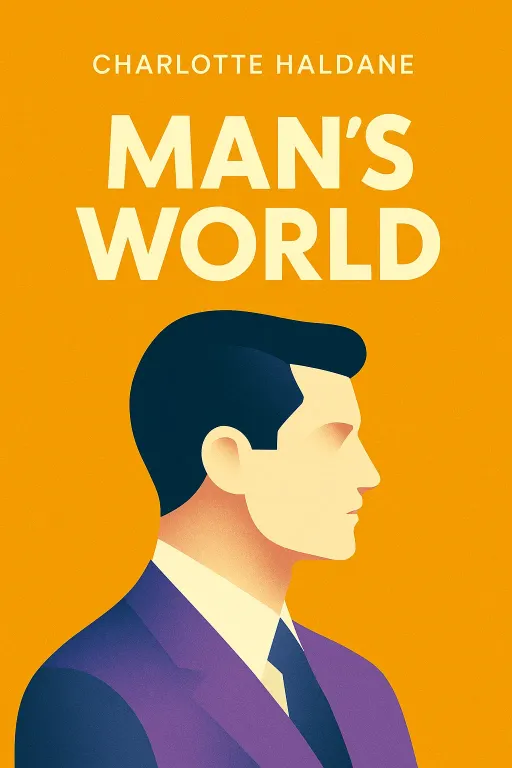
Man's World
Charlotte Haldane
Dive into Charlotte Haldane's groundbreaking 1926 dystopian novel, a chilling vision of a future society meticulously engineered by scientific principles. In this 'Radium Age' classic, reproduction is tightly controlled, gender roles are rigidly defined, and individuality is sacrificed for the supposed betterment of the 'white race' through eugenics. Follow siblings Christopher and Nicolette as they grapple with a world where women are reduced to biological functions and men are categorized by intellect. Haldane's prescient and controversial work explores the ethical dilemmas of scientific power, the struggle for personal freedom, and the unsettling implications of social engineering, offering a powerful, complex, and often disturbing commentary on the anxieties of the early 20th century.
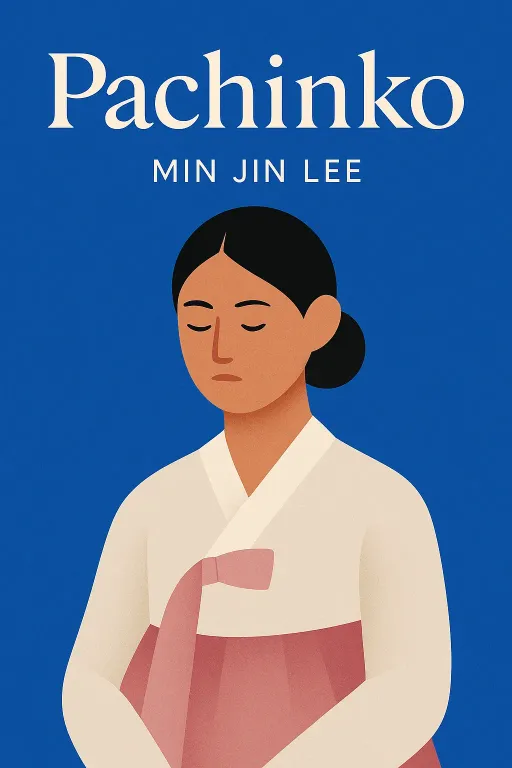
Pachinko
Min Jin Lee
Set against the backdrop of Japanese-occupied Korea and the subsequent lives of Korean immigrants in Japan, this sweeping saga follows the indomitable Sunja, a young woman whose life takes an unexpected turn when she falls pregnant by a married man. Forced to leave her homeland, she marries a compassionate pastor and embarks on a new life in Osaka, facing relentless prejudice, hardship, and the struggle to raise her children in a foreign land. It's a powerful story of identity, resilience, family, and the enduring human spirit in the face of adversity.
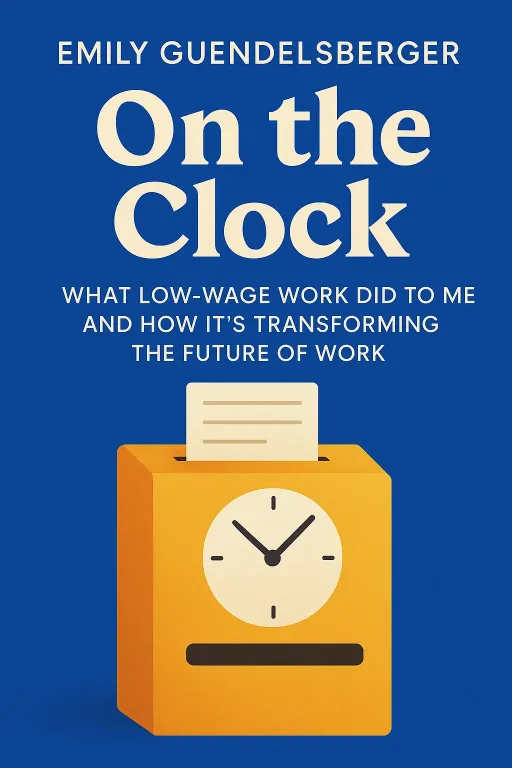
On the Clock
Emily Guendelsberger
Journalist Emily Guendelsberger goes undercover, working at an Amazon warehouse, a call center, and McDonald's, to expose the harsh realities of low-wage work in modern America. Through her firsthand experiences, she reveals how technology, corporate policies, and the relentless pursuit of productivity are dehumanizing workers, transforming the nature of labor, and creating a 'brave new world' where the 'weeds' of constant stress and monitoring are the norm. This book offers a critical look at the future of work and challenges our understanding of the 'American Dream' in an increasingly automated and demanding economy.

Morningside Heights
Cheryl Mendelson
Set in the vibrant, yet rapidly gentrifying, Morningside Heights neighborhood of New York City in 1999, this novel introduces the Braithwaite family. Anne and Charles, musicians with several children, find their comfortable, intellectual life challenged by an unexpected pregnancy, financial strains, and the encroaching wave of Wall Street wealth. As their community grapples with changing social values and the erosion of a cultured city life, the Braithwaites navigate personal crises, complex friendships, and the enduring question of what truly constitutes a meaningful existence. A captivating social chronicle that delves into the heart of urban change and human connection.
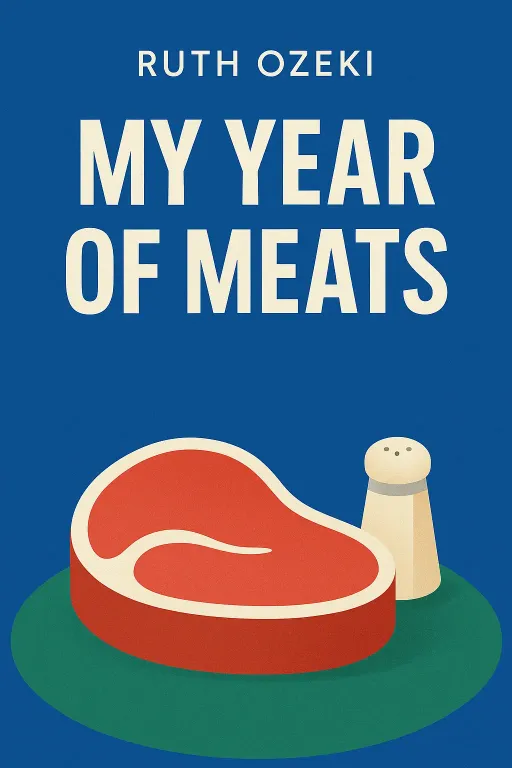
My Year of Meats
Ruth Ozeki
Ruth Ozeki's 'My Year of Meats' is a sharp, satirical novel that interweaves the lives of Jane Takagi-Little, a Japanese-American documentary filmmaker, and Akiko Ueno, a bulimic Japanese housewife. Jane is tasked with finding 'wholesome' American wives to promote U.S. meat on a Japanese television show, a journey that exposes her to the surprising realities of American culture, from rodeo queens to lesbian vegetarians, and the dark underbelly of the industrial food complex. Across the Pacific, Akiko, desperate to conceive and please her meat-obsessed husband, meticulously follows the show's recipes, unknowingly mirroring Jane's discoveries about identity, consumption, and the elusive nature of authenticity. Ozeki masterfully blends humor with poignant social commentary, exploring themes of cultural identity, gender roles, corporate influence, and the profound impact of what we consume—both literally and figuratively—on our lives.
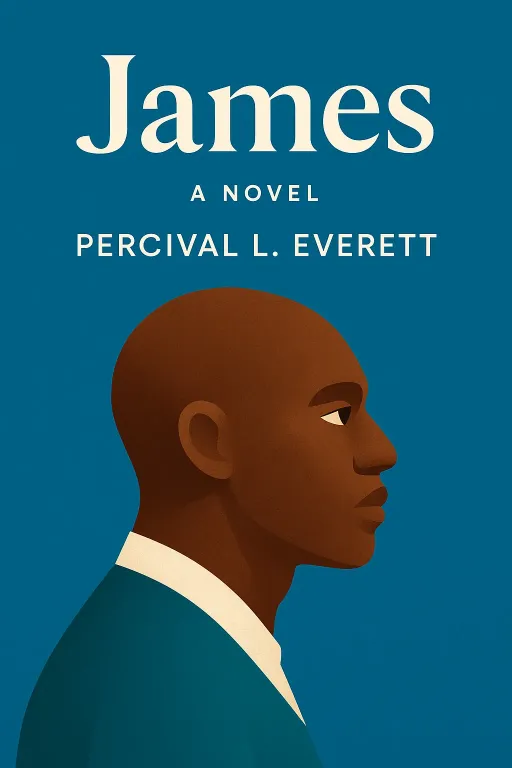
James
Percival L. Everett
Percival Everett's James boldly reinterprets Mark Twain's *The Adventures of Huckleberry Finn* through the eyes of Jim, the enslaved man. Far from the simple, superstitious character of the original, Everett's Jim is a brilliant, strategic, and deeply philosophical individual navigating the treacherous landscape of pre-Civil War America. As Jim escapes down the Mississippi with Huck, he reveals a hidden world of intellect, resilience, and profound observation, forcing readers to confront the true cost of freedom and the complexities of identity in a society built on oppression. This powerful novel offers a searing critique of American history and a testament to the enduring human spirit.