

Dialectic of Enlightenment
Max Horkheimer
A critical exploration of the intertwined nature of rationality, myth, and domination in Western thought. This work delves into the self-destructive tendencies of enlightenment and its regression into mythology, offering a profound analysis of culture, anti-Semitism, and the human condition.
Discourse on Political Economy AND The Social Contract
Jean-Jacques Rousseau
Explore Jean-Jacques Rousseau's profound insights into political philosophy with 'Discourse on Political Economy and The Social Contract'. Delve into the concepts of social inequality, the general will, and the ideal structure of a just society. A timeless exploration of the relationship between the individual and the state.
Doing Good Better
William MacAskill
A guide to effective altruism, exploring how to make the biggest difference in the world through evidence-based giving, volunteering, and career choices. Discover how to maximize your impact and turn good intentions into astonishingly good outcomes.
Either/Or
Søren Kierkegaard
A profound exploration of the aesthetic and ethical spheres of existence, presenting a collection of papers from two contrasting individuals. Through essays, aphorisms, and a diary, Kierkegaard delves into themes of choice, despair, seduction, and the search for meaning in life.
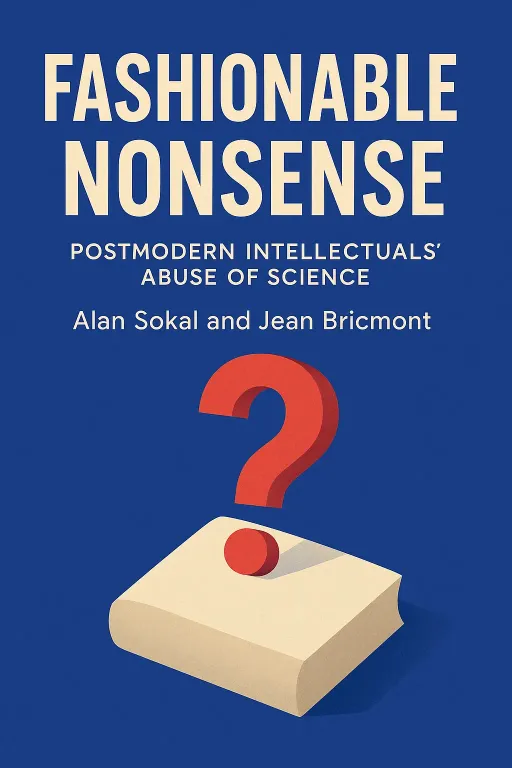
Fashionable Nonsense
Alan Sokal
A critical examination of postmodern intellectuals' misuse of scientific concepts, revealing the absurdity and meaninglessness behind obscure language and confused thinking.
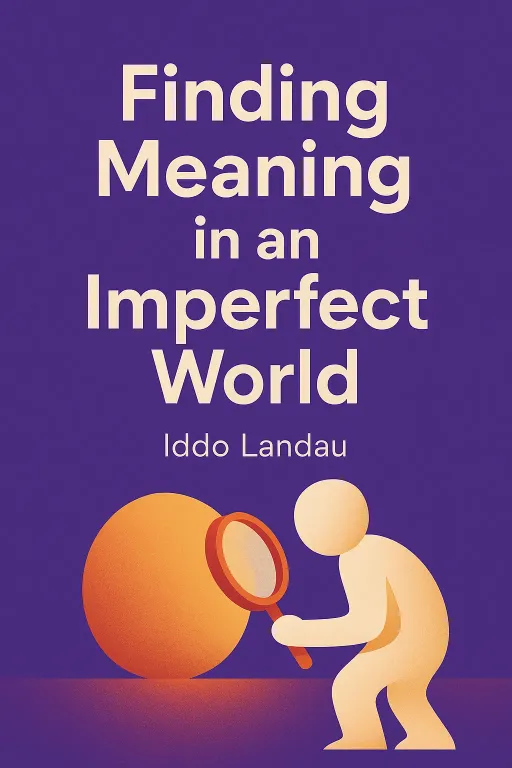
Finding Meaning in an Imperfect World
Iddo Landau
An exploration into the meaning of life, challenging common presuppositions and offering strategies to identify and increase meaningfulness in one's life. It addresses arguments that lead people to believe their lives are meaningless and provides a philosophical discussion suitable for both academics and non-academics.
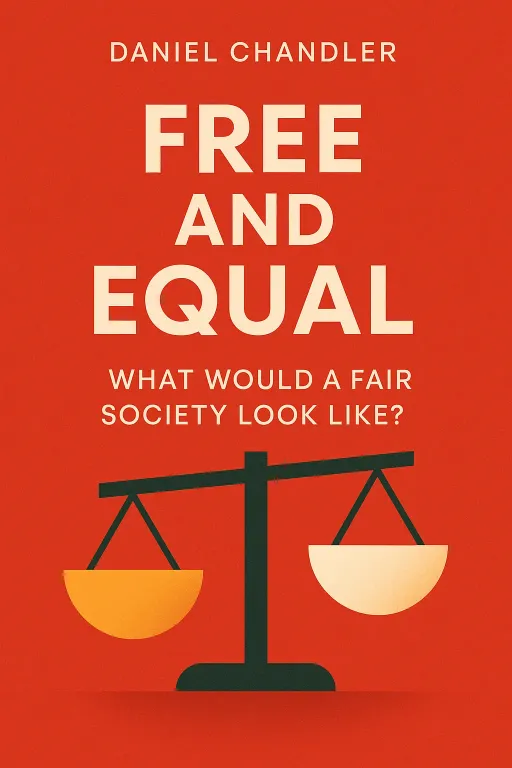
Free and Equal
Daniel Chandler
An exploration of what a truly fair society would look like, drawing on the ideas of John Rawls to reimagine liberalism and develop a bold, practical agenda for a better world. It addresses pressing issues like poverty, inequality, and the climate crisis, offering a transformative vision for a post-neoliberal age.
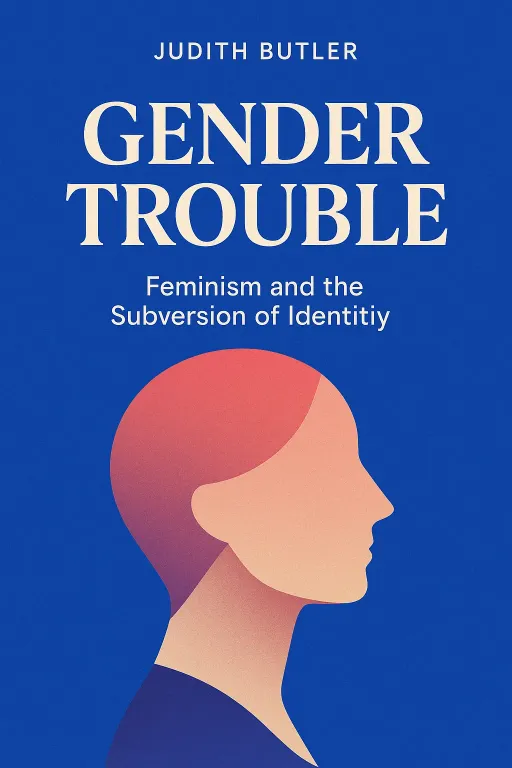
Gender Trouble
Judith Butler
A groundbreaking work that challenges conventional understandings of gender and identity. Judith Butler critiques the notion of a fixed and natural gender, arguing that it is a social construct shaped by power structures and discourse. This book is a provocative exploration of feminism, sexuality, and the subversive potential of challenging established norms.