

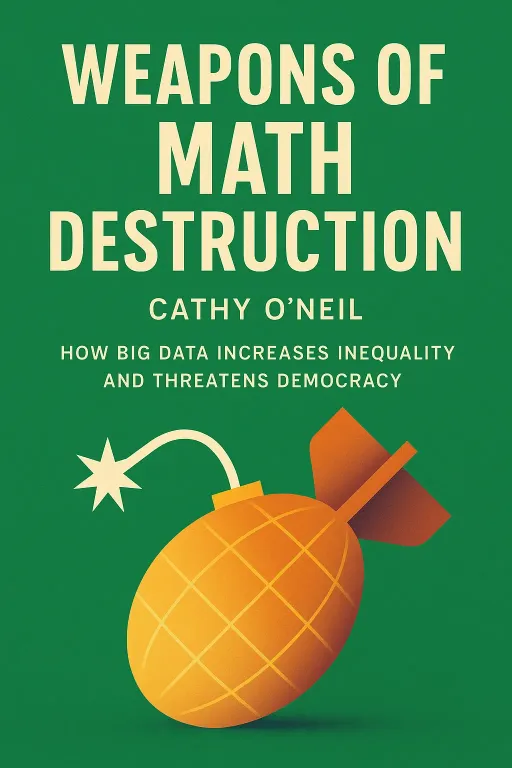
Weapons of Math Destruction
Cathy O’Neil
Cathy O'Neil's 'Weapons of Math Destruction' uncovers the hidden biases and destructive power of algorithms and big data models that increasingly govern our lives. Through compelling real-world examples from justice, finance, and education, O'Neil reveals how these opaque systems perpetuate inequality, reinforce prejudice, and threaten the very fabric of democracy, urging readers to scrutinize the technology shaping our future.
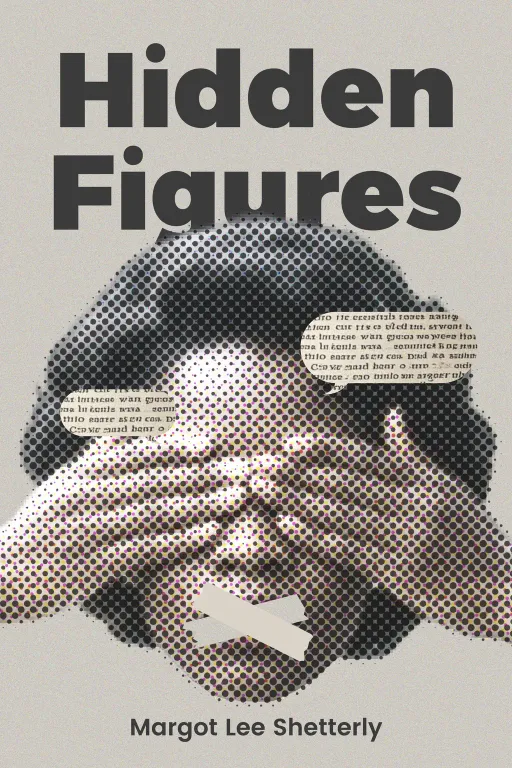
Hidden Figures
Margot Lee Shetterly
During World War II, America’s aeronautics industry hired black female mathematicians to fill a labor shortage. These "human computers" stayed on to work for NASA and made sure America won the Space Race. They fought for their country’s future, and for their share of the American dream. This is their untold story.
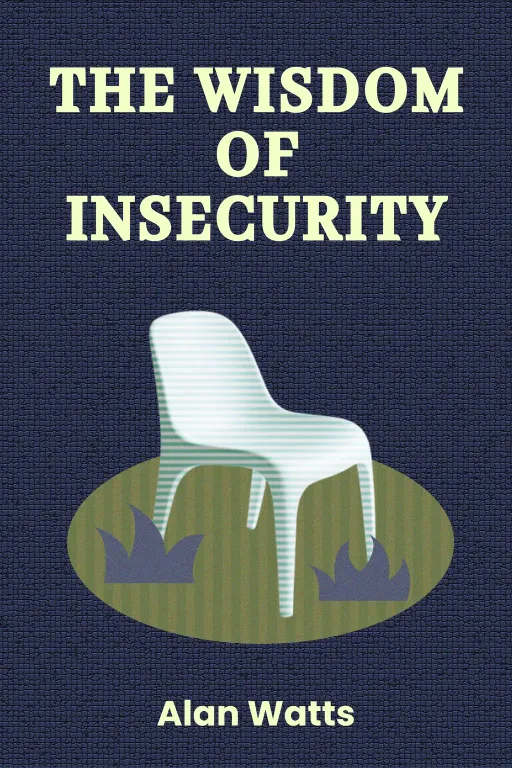
The Wisdom of Insecurity
Alan W. Watts
In 'The Wisdom of Insecurity,' Alan Watts explores the nature of human anxiety and the illusion of seeking security in a constantly changing world. Watts challenges readers to embrace uncertainty and live fully in the present moment, offering a path to psychological and spiritual liberation. A profound exploration of self and existence, this book invites you to question your deepest assumptions and discover a new way of being.

The Man God Has For You
Stephan Labossiere
A guide for women seeking meaningful relationships, offering advice on identifying a life partner through faith-based principles and practical insights. It explores traits to look for in a potential partner, emphasizing spiritual connection, mutual respect, and personal growth.

Hiroshima
John Hersey
A harrowing account of the atomic bombing of Hiroshima and its aftermath, told through the stories of six survivors. This edition includes a new chapter written forty years after the event, revisiting their lives and destinies.
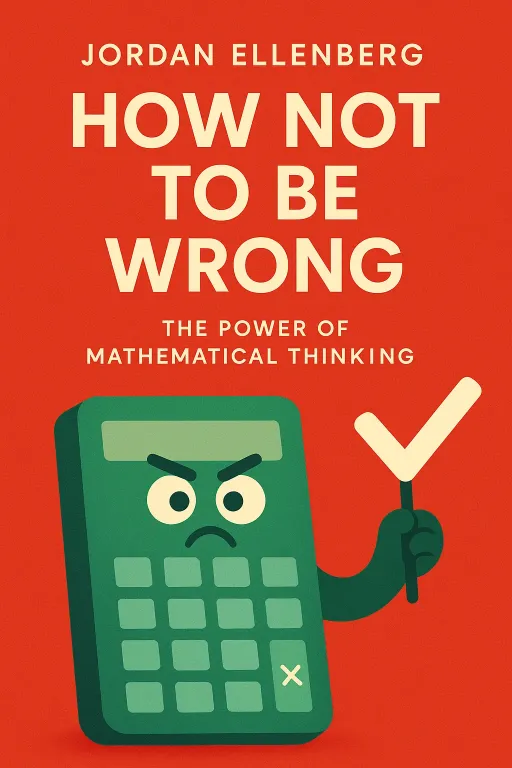
How Not to Be Wrong
Jordan Ellenberg
An enlightening journey into the world of mathematics and its profound impact on our daily lives. From deciphering political rhetoric to making sound financial decisions, this book unveils the hidden mathematical structures that shape our understanding of the world, offering a refreshing perspective on problem-solving and critical thinking.
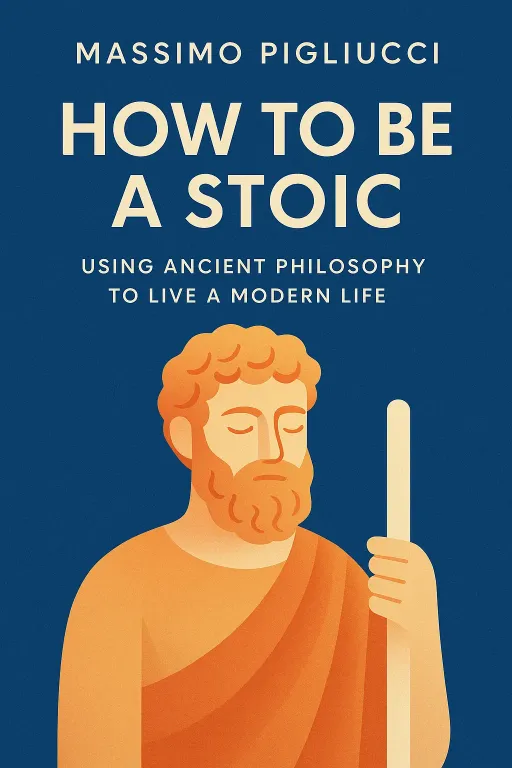
How to Be a Stoic
Massimo Pigliucci
Embark on a transformative journey with Massimo Pigliucci as he explores the timeless wisdom of Stoicism and its practical application to modern life. Through insightful analysis and engaging anecdotes, discover how to cultivate resilience, find tranquility, and live a more meaningful existence by embracing the teachings of ancient philosophers like Epictetus. Prepare to unlock the secrets to navigating life's challenges with grace and wisdom.
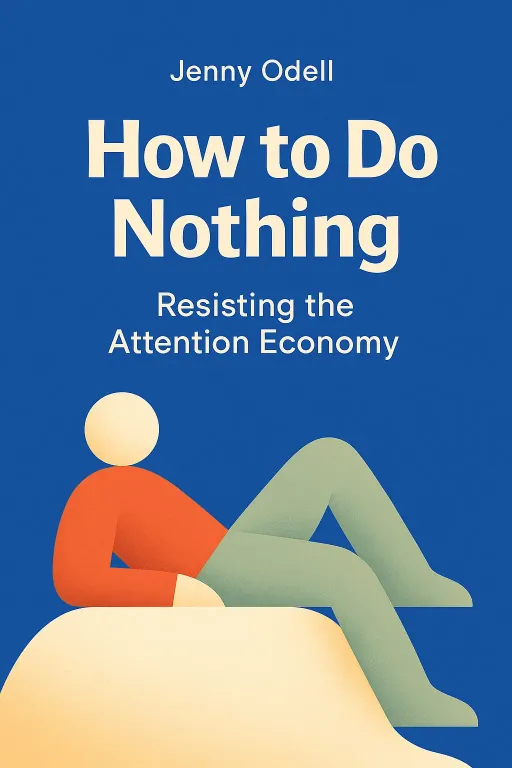
How to Do Nothing
Jenny Odell
A field guide to doing nothing as an act of political resistance to the attention economy. It is a plan of action to trace a series of movements: 1) a dropping out, not dissimilar from the “dropping out” of the 1960s; 2) a lateral movement outward to things and people that are around us; and 3) a movement downward into place.